
The APS-C format is ideal for making the jump from a camera phone to a mirrorless camera – and two cropped-sensor models that I think are worth considering are the Sony A6400 and the Fujifilm X-T3.
These cameras may now be several generations old within their respective lineups (the A6400 was released in 2019 and the X-T3 in 2020), but they still pack a punch – and do so with especially friendly price tags. While I lean towards the Sony, I’d say these cameras go toe-to-toe most of the way.
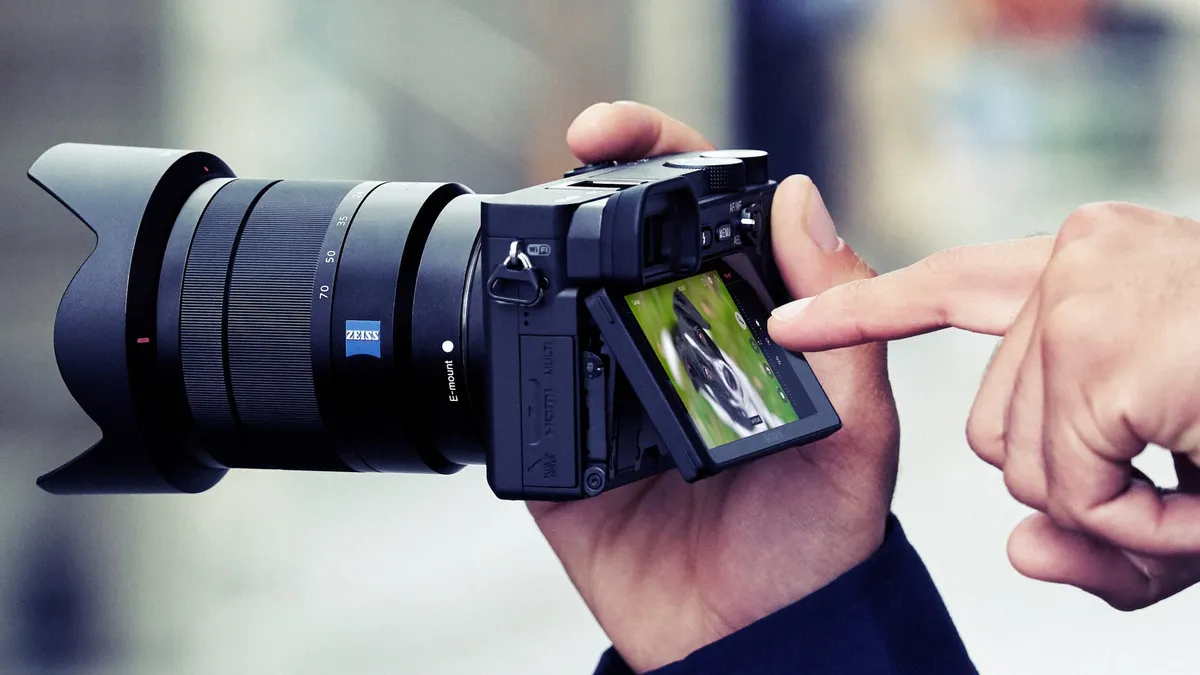
In terms of straight-up image quality, the Fujifilm is the winner – albeit marginally. It boasts a 26MP sensor and can record video at 4K 60p, while the Sony musters 24MP and a maximum video resolution of 4K 30p.
Neither of these cameras features in-body image stabilization, though, so there’s no upper hand for either when it comes to run-and-gun shooting or firing off frames quickly.
While the X-T3 edges out the A6400 on image clarity, the Sony is the winner when it comes to autofocus – featuring an AI-powered system that employs 425 phase-detection and 425 contrast-detection AF points covering 84% of the frame.
In fact, the camera inherited this system from the former flagship Sony A9, with Sony boasting an AF acquisition time of a mere 0.02 seconds.
The Fujifilm X-T3 still has capable, fast, and reliable AF – especially after firmware updates – also offering 425 phase-detection and contrast-detection focus points but this time covering 100% of the frame.
That said, Fujifilm reports significantly slower acquisition times of around 0.064 to 0.096 seconds depending on whether you’re using the mechanical or electronic shutter.
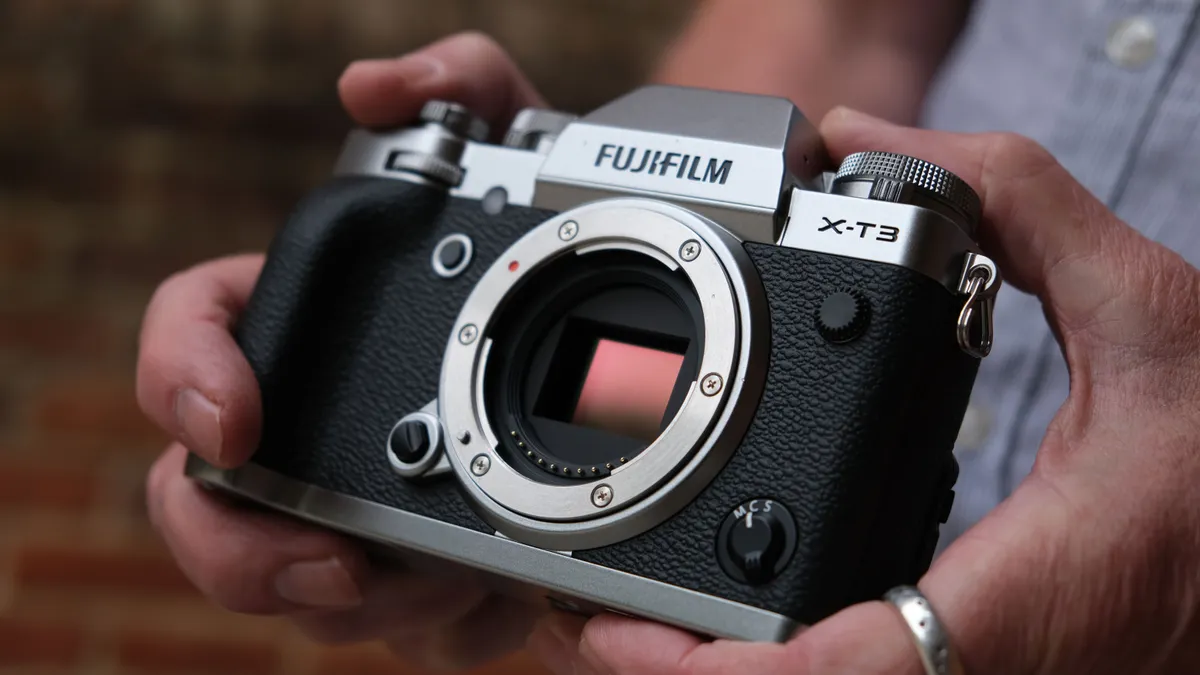
You can’t fault either of these cameras when it comes to build quality, with both featuring magnesium-alloy frames and respectable weather sealing.
However, the Sony has very slightly better battery life, clocking approximately 360-410 shots per charge, while the Fujifilm typically delivers around 300-400 on a full battery.
As you can see, it really is a close call between these two APS-C cameras. The final factor swaying me towards the Sony is that it is still in production and therefore still fully supported. The X-T3 has been discontinued for a while now, but this does mean that you might find it much cheaper than the Sony.
Also in the A6400's favor is the treasure trove of lens options. The E-mount is an open standard, which means that the best Sony lenses include just about any optic you can dream of!
You might also like…
Looking for something even more portable than APS-C mirrorless? Then check out our expertly curated list of the best APS-C compact cameras, all of which we’ve put through rigorous testing.

