
The rise of the camera phone was met with a near-instantaneous plummet in the traditional camera industry. Now, more than a decade later, the industry is starting to show signs of a recovery – but can video cameras say the same thing?
The Ministry of Economy, Trade and Industry in Japan – where several key camera brands are located, including Canon, Sony, Fujifilm, Nikon, Panasonic, Ricoh and OM System – recently shared statistics suggesting that camera production is showing signs of recovery after both the growth of the smartphone and the COVID-19 pandemic.
The report echoes what the Camera and Imaging Products Association (CIPA) has already shared, but the chart that tracks the rise of the smartphone with the crash of the camera industry highlights another interesting trend: while the camera industry is recovering, video cameras are not.
Video, which is represented in blue while stills cameras are orange, drops off the chart entirely in 2021 – and, despite signs of recovery for still cameras, does not reappear in subsequent years.

Social media algorithms are far more video-heavy than ever before, so why aren’t cameras for video more popular than before? I believe there’s a very simple technological shift that highlights why video cameras have not recovered despite the popularity of the format on social media: the hybrid camera.
Dedicated camcorders are becoming fewer and farther between, as the industry shifts towards a hybrid approach. The transition towards hybrids started slowly with the rise of the mirrorless camera. While DSLRs could shoot video (albeit without the optical viewfinder), the transition to mirrorless brought smoother, smarter autofocus performance and in-body stabilization.
While camcorders are more scarce, “video cameras” are not – they’ve just taken on a new format. Video-focused mirrorless cameras have risen along with the social media video trend. Nearly every major manufacturer now offers at the very least a hybrid camera, but most now have entire series of mirrorless cameras that are video-first, photo-second.
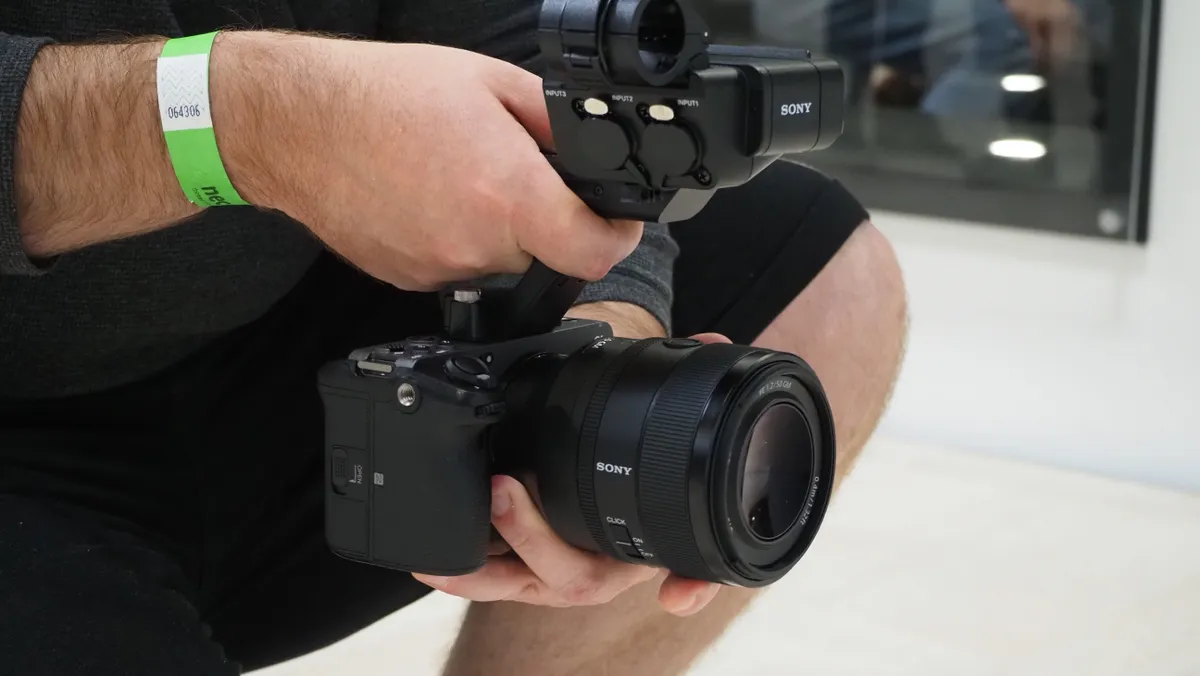
Sony has the FX cinema camera line that includes models like the FX3 and dedicated cameras for vlogging like the ZV-E10 series. Canon has models designed with V for video, like the Canon EOS R50 V, and C for cinema, like the Canon EOS R5 C.
Nikon went and bought cinema-maker Red and launched the Nikon ZR. The Panasonic Lumix S1H even earned the Netflix stamp of approval, a first for mirrorless, with bodies like the Lumix S5IIX being a staple for content creators.
While the chart looks worrying for video cameras, it all comes down to how cameras are categorized. Cameras like the Sony FX3 are technically a mirrorless camera, but are far more geared towards video than still photography.

As the technology has shifted, cameras are becoming increasingly versatile – and harder to fit in just one single category.
And while camera makers have been selling more in the past couple of years than in the early 2020s, CIPA is predicting a slight slowdown for mirrorless cameras in 2026…
You may also like
Take a look at the best hybrid cameras, or dive into the best cameras for video.

