
The growth of AI has been met with trepidation among the creative community – but Japan’s biggest camera makers agree that AI-generated content is sparking an entirely different trend: the growth of the dedicated camera and a shift towards prioritizing the experience of photography over technical specifications.
Japanese business publication Nikkei Shimbun recently interviewed executives from Canon, Sony, Nikon and Fujifilm. Despite discussing camera trends with four competing brands, there’s an overarching trend that Japan’s biggest camera makers seem to agree on.
Camera makers believe that the rise of AI-generated content, along with trends towards a more retro film-like look, is actually driving more people to pick up a dedicated camera over simply shooting with a smartphone. The camera market saw healthy growth last year, but the biggest growth was in the fixed-lens compact category, which rose nearly 30 percent.
But with AI slop driving more people to pick up dedicated cameras, the reason behind choosing a certain camera is also shifting. The experience that a camera offers is becoming increasingly important in the era of AI and smartphones.

Camera makers are seeing an increased priority on the physical controls and the style of the camera. Casual photographers shifting from a smartphone are often looking for a camera that’s more fun to shoot with – and the design and physical controls are a big part of that. The rise of screen-free cameras is a key example of this trend, along with the continued rise in retro cameras.
Generated content is known for being overly perfect and inauthentic, and that’s creating a push towards a more traditional camera experience, both in the camera’s design and the look and feel of the images. More and more camera makers seem to be pushing the in-camera colors through film simulations, photo styles, and in-camera LUTs.

Camera makers have long been engaged in the megapixel race and the push to beat out competitors' specifications. Manufacturers aren’t dropping out of this race anytime soon, not for pro models geared towards serious photographers.
But the camera industry is once again welcoming the average consumer who just wants to snap some photos of daily life, and this sort of photographer may care more about the experience than the megapixel count.
Photographers have already seen evidence of this push with experimental cameras like the Fujifilm X Half and the viral success of low-resolution cameras like the Kodak Charmera.
The rise of the smartphone decimated the market for casual shooters looking to take snapshots of daily life. Thanks to wariness over AI-generated content and a rising trend for a more screen-free lifestyle, this camera category is returning with a vengeance.
Canon is looking to build a more diversified camera line, including retro styling

In the interview, Canon said that younger consumers are discovering the joy of shooting with a dedicated camera. Canon hinted that it’s been exploring more stylish compact cameras and cameras that create a more film-like look as a result.
But Canon executives also recognize that the people who are picking up cameras are becoming increasingly diverse. The camera industry isn’t solely focused on professionals and hobbyists but is shifting to welcome the customer who just wants to take photos of daily life.
Canon says it's looking to create a more diverse line of cameras in order to reach the wider range of consumers picking up a dedicated camera.
Canon also says it recognizes the growth of video and hybrid shooting, saying that it plans to expand V-series lenses.
Nikon is increasingly looking beyond just stills
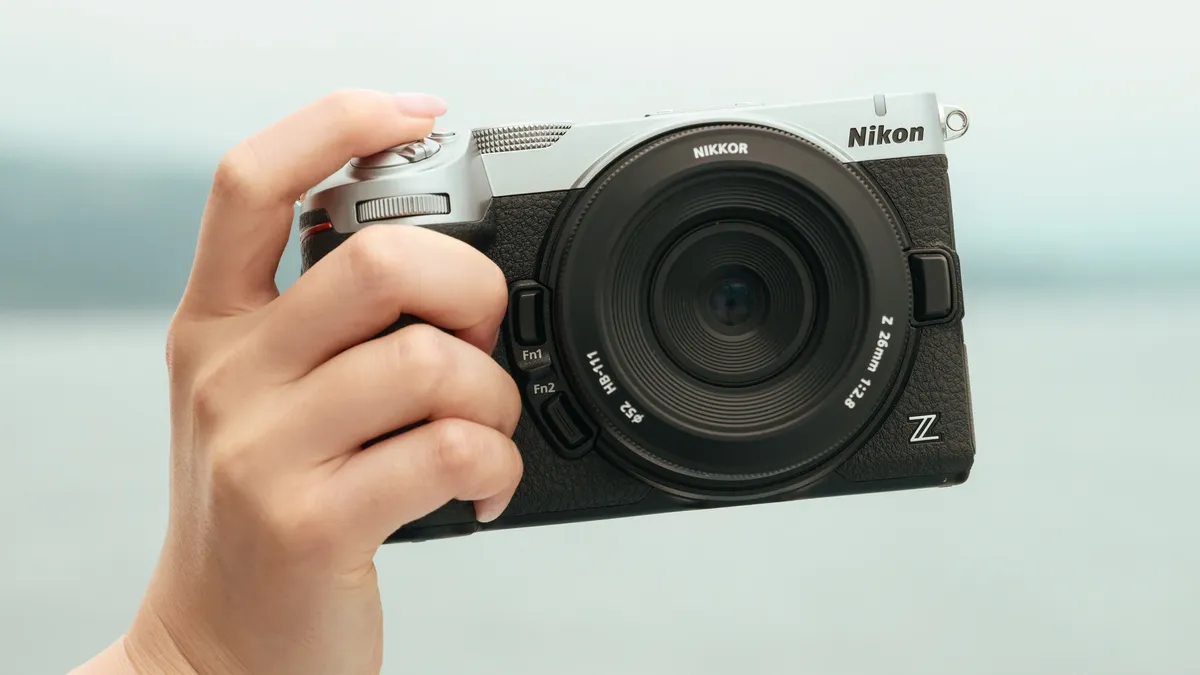
Video remains a particular focus for growth for Nikon, the interview hints, particularly after the acquisition of RED. Nikon executives hinted that Nikon’s optics and imaging have opportunities to grow by looking at multiple forms of content.
On the topic of AI, Nikon says that it's exploring the possibility of using AI beyond autofocus applications, such as choosing the best images and the newly implemented AI-built tools for auto white balance.
Sony’s entertainment division could help inspire cameras

The interview suggests that Sony may be looking to take advantage of its diverse range of businesses across movies, music, and gaming and use that expertise towards future camera launches. Cameras can also be a form of entertainment – and Sony also mentioned exploring spatial experiences, such as VR spaces.
Sony also says that AI can be a creative tool to aid in tech like autofocus subject detection and pose estimation. But Sony is also pushing for a “digital birth certificate” for recognition of in-camera authenticity.
Fujifilm’s push for film simulations and retro designs is working

Fujifilm’s sales have been steadily rising, and part of that is the brand’s focus on retro camera designs and film simulations. Both features work well with the growing trend of people shifting from smartphones to cameras that are fun to shoot and carry more authenticity than AI-generated content.
As far as using AI in cameras, Fujifilm executives said that AI should be treated more like an assistant aiding in things like autofocus, and not creating images.
You may also like
Take a look at the best retro cameras or the best compact cameras for more inspiration.

