Over the last few years, many enthusiast and professional photographers have been shifting their emphasis to ‘hybrid shooting’, encompassing both video and stills. Meanwhile, ‘content creators’ have been majoring on video, and in both camps, ‘open gate’ has been one of the biggest buzzwords of late. But what exactly is an open gate camera?
Simply put, an open gate camera records video using the entire surface area of its image sensor, rather than just a 16x9 letterbox cutout in landscape orientation. But what’s so good about that? Utilizing the whole sensor gives you much more room for maneuver at the editing stage. A key advantage is that you can crop video for portrait or upright orientation, ideal for social media platforms and whenever anyone’s going to be consuming content on a smartphone. And that’s not all. You can also crop video to a bunch of other square and rectangular aspect ratios, as well as being able to creatively crop and zoom to home in on smaller areas of the image frame.
Given that open gate is such a massively useful feature for content creators and videographers, it’s perhaps surprising that relatively few digital cameras enable shooting in this way. The main reason is that recording video from the whole sensor requires capturing and processing a big bunch of extra data, and many cameras simply don’t have the capacity, or would run into overheating problems sooner rather than later. As it stands, Panasonic and Fujifilm are leading the charge with open gate, and Canon has just come to the party with the EOS R6 Mark III.
If you feel that open gate is for you, join me as I pick out the best cameras to suit wide-ranging needs and budgets.

Matthew Richards is a photographer and journalist with over 25 years of experience in testing and reviewing all manner of photo gear. He is Digital Camera World's principal lens reviewer, as well as reviewing cameras, studio and portable flash, tripods, printers and just about every kind of photographic accessory he can get his hands on!
The best open gate cameras
Why you can trust Digital Camera World Our expert reviewers spend hours testing and comparing products and services so you can choose the best for you. Find out how we test.
Best affordable full-frame open gate camera
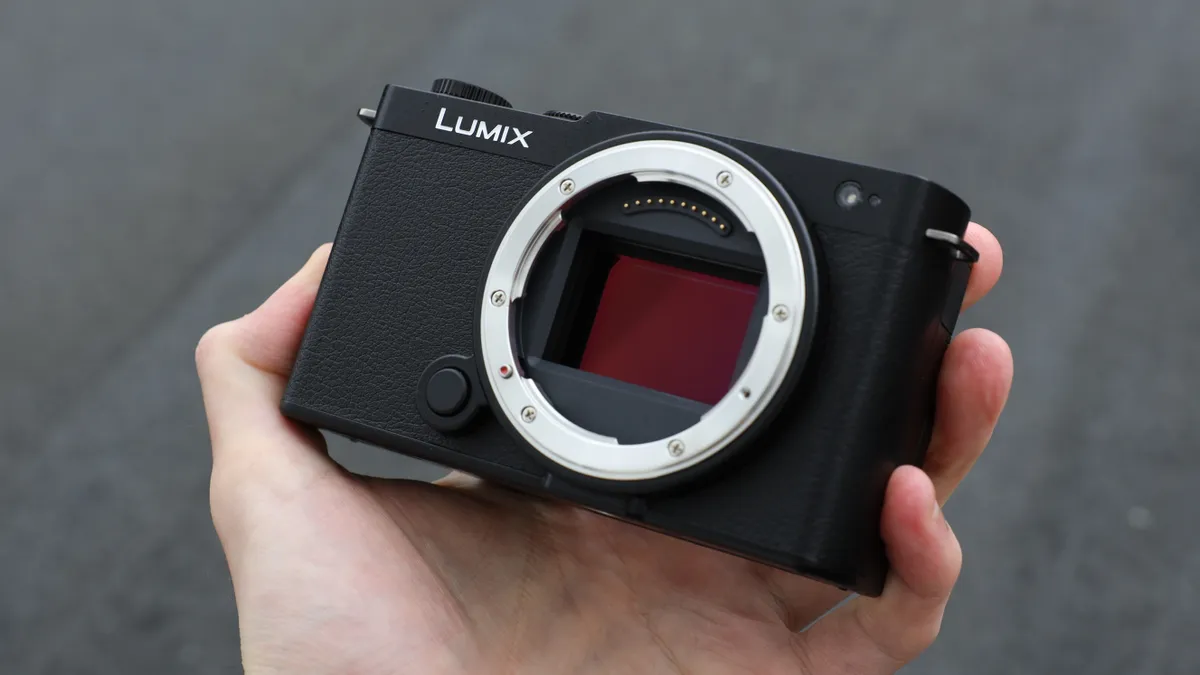


The Panasonic Lumix S9 brings high-quality imaging in a compact, user-friendly design, making it a great option for content creators who need full-frame performance without the bulk. With a 24.2-megapixel full-frame sensor, the S9 produces beautifully detailed footage that is rich in color and depth and is ideal for capturing portraits, landscapes, and low-light scenarios. Its portability and ease of use set it apart for going out on the road, when you want to travel light.
While the S9 offers exceptional image quality, it does come with a few trade-offs. Notably, it lacks a viewfinder, but that's more of an issue for shooting stills rather than video. Autofocus recognition lags behind some of the top competition, and battery life, though adequate for casual use, might not fully satisfy those hoping for extended shooting periods. You might well need to buy and pack some spares. There's also only a single memory card slot, of the SD type.
Despite these limitations, the Lumix S9’s strengths make it a top choice for users who value portability, quality, and simplicity. It’s best suited for videographers, photographers and content creators who want a high-quality camera they can carry all day without feeling weighed down. However, those looking for a more feature-packed, action-ready model might explore other options in Panasonic’s lineup, such as the Lumix S5 series, which balances portability with a broader range of features.
Read more: Panasonic Lumix S9 review
Features ★★★★★ |
A key feature of the S9 is its built-in LUTs, which deliver video that’s ready to go straight off the camera, plus a crop/hybrid zoom facility. |
Design ★★★★☆ |
The design is certainly compact and lightweight for a full-frame camera, but it can feel unbalanced with most relatively large L-mount lenses. |
Performance ★★★★½ |
Performance is seriously impressive, with the likes of open gate 6K30p, Cinema 4K, and 14+ stops of dynamic range in V-Log. |
Value ★★★★★ |
Considering the specs, features, and performance, the S9 is terrific value compared with its closest competitors. |
Best 8K open gate camera


Panasonic’s new flagship makes no compromises, fusing high-resolution stills with class-leading video in a body that’s smaller, lighter and markedly faster than the 2019 S1R it replaces. A 44.3MP full-frame CMOS sensor and updated Venus engine deliver 40 fps electronic bursts (9 fps mechanical) with 8-stop Dual IS stabilisation, while the latest phase-detect AF finally brings sticky, AI-assisted subject tracking for people, animals, and vehicles. Lab tests show the S1R II resolving more detail and retaining more dynamic range than the Canon EOS R5 II or Nikon Z8 across the ISO range, with impressively clean high-ISO noise performance.
For videographers, the upgrades are even more dramatic. The camera records internal 8.1K/30p or 5.8K Apple ProRes HQ, offers 14-plus stops of dynamic range, and 8K open gate. Dozens of recording combinations, SSD direct-to-record, and a new cropless electronic IS mode make it one of the most flexible hybrid tools available. Heat management is handled by an internal fan borrowed from the S5 IIX, yet the magnesium-alloy body is 20% smaller than the first-gen model and only 2 % larger than the S5 IIX. A fully-articulating 3-in vari-angle screen, 5.76 M-dot OLED EVF, and dual CFexpress B / UHS-II SD slots round out a truly pro-grade spec sheet.
At $3,299 / £2,999 body-only, the S1R II undercuts rival flagships, leaving little room for complaint beyond its modest 340-shot battery life and the slight drop in pixel count versus its predecessor. Those who only need 6K video may still find the cheaper Lumix S5 IIX sufficient, but for creators who demand both 44 MP stills and uncompromised 8K cinema, the Lumix S1R II is the strongest, most future-proof Panasonic yet.
Read more: Panasonic Lumix S1R II review
Features ★★★★★ |
8K video is a killer feature of this camera and it sports a 44MP image sensor along with blistering 40fps shooting for stills. |
Design ★★★★★ |
The S1R II is quite a handful, in a good way. The large sculpted handgrip makes for natural handling and the control layout is excellent. |
Performance ★★★★★ |
As well as open gate, the camera delivers 8K video with 14+ stops of dynamic range and the option of 5.8K Apple ProRes HQ internal recording. |
Value ★★★★½ |
It’s an undeniably pricey camera body but as a flagship camera, it’s still enormously good value compared with most competitors. |
Best value open gate camera
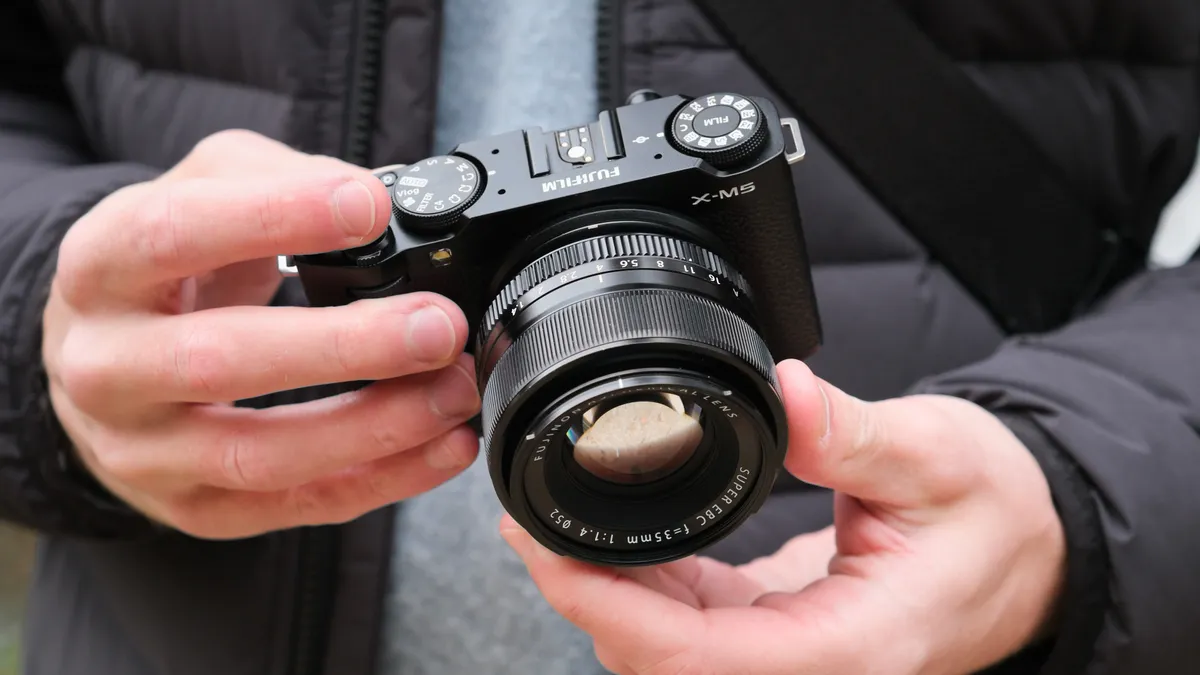


The Fujifilm X-M5 is an impressively compact and stylish camera that feels perfectly tailored to content creators and vloggers. Its 26.1MP X-Trans CMOS 4 APS-C sensor and X-Processor 5 deliver stunning image quality, and I was particularly impressed with its 6.2K open-gate video recording. As with other cameras in my guide, this opens up creative possibilities for cropping and for reframing to different aspect ratios.
While the camera’s small size and top-plate control dials make it highly portable and user-friendly, I missed having a built-in viewfinder, but really more for stills than for capturing open gate video. The reliance on digital image stabilization is another compromise, as it introduces a noticeable crop factor, meaning you’ll need to use wider-angle lenses. However, the autofocus system is excellent, with reliable subject detection, including animal eye AF, and touch-tracking autofocus for video.
Audio quality is another standout. The X-M5’s internal directional microphones, combined with improved wind filtering, deliver noticeably better sound, which is a big plus for content creators. In lab tests, the camera’s resolution and dynamic range really impressed me, outperforming rivals like the Canon EOS R50 and Nikon Z30, especially with its cleaner images at higher ISOs.
Although it lacks a viewfinder, the 3.0-inch vari-angle touchscreen is bright and responsive, making it easy to compose shots. Overall, the X-M5 offers a compelling mix of portability, power, and features, making it a strong contender for creators who value performance in a compact package.
Read more: Fujifilm X-M5 review
Features ★★★★★ |
Powerful video specs and the latest AF |
Design ★★★★☆ |
Solid-feeling compact body with small lenses to match. Although no EVF for photographers |
Performance ★★★★★ |
Great quality stills and video, with film simulations offering ready-to-share content |
Value ★★★★★ |
Undercuts rivals on price but not on power |
Best affordable hybrid open gate camera


There's fierce competition among cameras in this class, especially at around the $2000/£2000 price point. The Lumix S5 II stands out as offering unbeatable value but for a few dollars more, the S5 IIX introduces some fantastic extra possibilities, especially for content creators and videographers.
What's really remarkable about the S5II X is that it doesn't compromise the S5 II's existing features to incorporate additional video capabilities. In fact, it comes equipped with fab features straight out of the box, like improved autofocus and a Live View Composite mode, previously available on the S5II only through a firmware update.
For creators or filmmakers seeking a high-end hybrid camera that's both compact and capable of seamlessly integrating into professional workflows without sacrificing image quality, the Lumix S5 IIX is hard to resist. Even if RAW video capabilities aren't an immediate priority, features like ALL-I compression, direct shooting to SSDs, and streaming functionality would be enough to tip the scales in its favor, compared with similarly priced competitors.
Read more: Panasonic Lumix S5 IIX review
Features ★★★★★ |
Top features include cinematic video specs, spectacular image stabilization, SSD recording and phase hybrid autofocus. |
Design ★★★★☆ |
The camera is a comfortable size with a mostly excellent design, although the grey button icons can be tricky to read and there are no tally lights. |
Performance ★★★★½ |
Performance is excellent and there’s the ability to load LUTs into the camera, so that you can shoot videos and photos with your own specific look. |
Value ★★★★★ |
The S5 IIX is extremely competitively priced and gives outstanding bang per buck, for both stills and video. |
Best all-rounder open gate camera


Whereas previous EOS R6 incarnations have been decidedly mid-range, the Mark III is a pure powerhouse. A hybrid tour de force, it marries the performance of a top stills body with the tech of a cinema camera. For my money, it's the best hybrid camera on the market.
The 32.5MP full-frame sensor delivers crisp images and the option for rapid 40fps stills with the electronic shutter. Paired with the superb 8.5 stops of in-body image stabilization and Canon's improved Dual Pixel AF II autofocus (which latches onto subjects even more tenaciously than its predecessor) it's a stills monster.
Yet its video specs are perhaps even more immense. Not only can this camera capture 7K 60p internal RAW, it can also shoot 7K 30p open gate video. Better still, you can simultaneously shoot a 16x9 video to the CFexpress B card and a 9x16 video to the SD card, so you don't even need to do any work in post!
The caveat is that the R6 Mark III doesn't have an active cooling system, so there are limits to how long you can record without overheating (about 25 minutes at these extreme resolutions). If you want to shoot longer, the sister EOS C50 has a fan and so is a better choice for longform video.
Read more: Canon EOS R6 Mark III review
Features ★★★★★ |
Winning features include a new 32.5MP sensor, 40fps burst rate with pre-capture, and enviable video specs headlined by 7K 60p RAW. |
Design ★★★★★ |
The Mark III is remarkably similar in physical design to its predecessor, which is no bad thing as the Mark II was ergonomically excellent. |
Performance ★★★★★ |
Performance is epic for both stills and video, with 7K 60p internal RAW and 7K 30p open gate on tap, plus Canon Log 2 and 3, backed up by 8.5-stop image stabilization. |
Value ★★★★☆ |
The EOS R6 Mark III is pretty pricey for a ‘mid-range’ camera but it fulfils its pro-grade aspirations, making it very good value. |
Best stacked sensor open gate camera
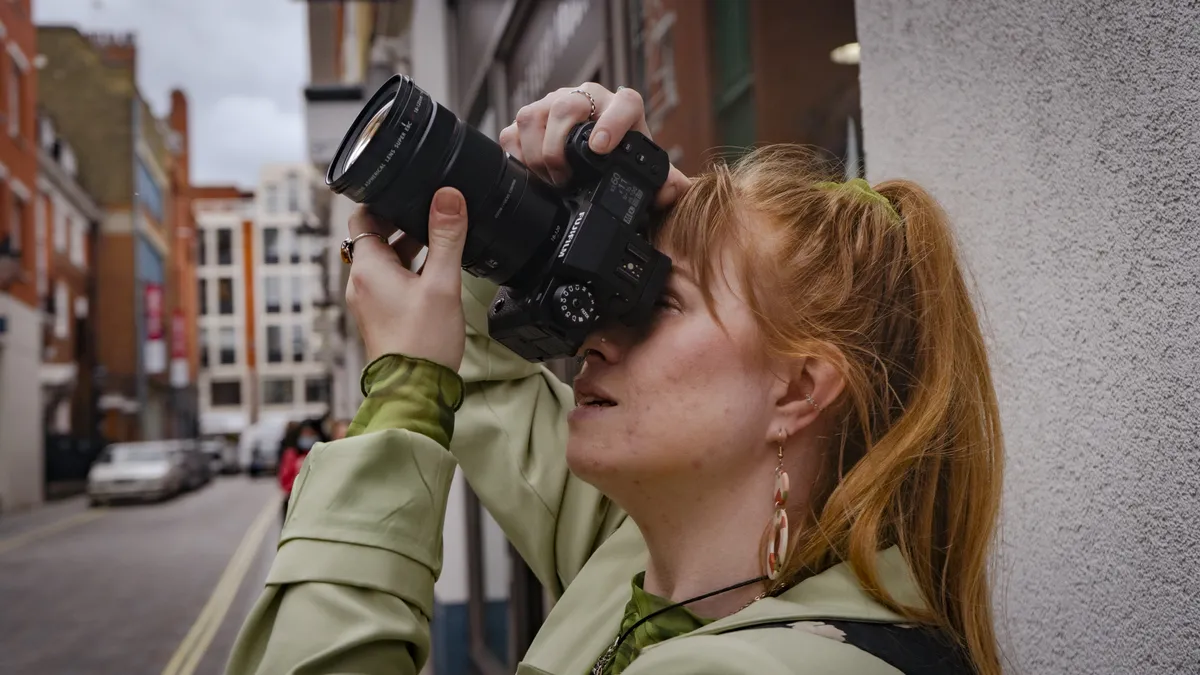


The X-H2S is the fastest camera in the Fujifilm X-mount range, making it a standout choice for professional and enthusiast sports and wildlife photographers. It excels when keeping up with the action is paramount. The X-H2S can shoot at 40fps with minimal screen blackout, alongside its in-body image stabilization to keep those big telephoto lenses even steadier.
However, this camera isn't just great for action-packed stills. The X-H2S can also capture 6K video or 4K at up to 120p, and covers all of the open gate bases to great effect. It also has a handy flip-out vari-angle screen, in addition to its 5.76m dot electronic viewfinder.
I love the 1.5x crop factor of APS-C sensors for their ability to get a little closer to the action with smaller-sized optics, and Fujifilm has a well-built-out lens collection with options for every situation from wide to tele, as well as a choice of zooms and primes, so no matter how and what you like to shoot, you're covered.
Although compact, the camera has professional handling, with a big chunky grip that suits use with larger lenses. There's also an ergonomic button and dial layout for quick control, in preference to the retro dials featured in many Fujifilm cameras.
Read more: Fujifilm X-H2S review
Features ★★★★★ |
Incredible autofocus and shooting speeds for sports and wildlife |
Design ★★★★★ |
Weather-sealed pro build quality with a top screen |
Performance ★★★★★ |
Combination of autofocus and speed is mind-blowing for fast action |
Value ★★★★☆ |
Fujifilm's priciest APS-C camera but is good value compared to full-frame competition |
Lab data and comparisons
You can see the lab data below for each open gate camera we test as part of Digital Camera World's review process. You can find out more about what each score means at the bottom of the graph.
It's no surprise that the Panasonic S1R II leads the way for resolution, thanks to its 44MP full-frame image sensor. The newly developed sensor of the Canon EOS R6 Mark III puts it in second place, while there's not much to choose between the rest of the field in terms of resolution.
Dynamic range is very similar in all of the cameras in the group, and the same goes for signal to noise ratio. That's particularly impressive for both of the Fujifilm cameras, considering that they're APS-C format models rather than full-frame.
How to choose the best open gate camera
Here are a few things to bear in mind when choosing the open gate camera that best suits your needs…
Full-frame or crop sensor?
Full-frame cameras are better for gaining a tight depth of field and tend to suffer less from image noise at high ISO settings. The flipside is that APS-C format and other crop-sensor cameras are usually more compact and lightweight, and less expensive to buy. That applies to their companion lenses as well as the body itself.
Brand awareness
Experienced photographers and videographers generally have their preferred camera brands but it pays to approach open gate with an open mind. Panasonic and Fujifilm lead the way at present, but the Canon EOS R6 Mark III is an excellent relatively new camera option, making the most of Canon’s rich video heritage.

Video resolution
To make the most of open gate in post-processing, you need the best raw materials, so a high resolution of around 6K is ideal. This gives plenty of scope for swapping to upright orientation as well as for cropping and zooming in regular landscape mode.
In-body image stabilization
IBIS is featured in most current mirrorless cameras and can make a huge difference to the quality of handheld videography, as well as when shooting stills. It’s become an all but essential feature.
Media speed and capacity
As you’d expect, open gate video files can get very large, very quickly, in terms of data. You’ll need to ensure that the camera can make the most of the fastest memory card standards, and can preferably also give you the option of recording directly to external media.
Heat management
For longer shoots, like at weddings and events, effective heat management reduces the risk of your camera overheating and effectively stopping you from shooting at pivotal points in the procedure.

How we test open gate cameras
Open cameras typically come in full-frame and APS-C formats, but we fundamentally test them in the same way – both in real-world shooting scenarios and in carefully controlled lab conditions.
Our real-world testing takes into account the intended use of the camera – we test high-speed cameras on fast-moving subjects or high-resolution cameras on subjects with lots of detail. We also test how open gate cameras perform in everyday shooting situations by shooting with them over several days or weeks.
☑️ Over two thousand products tested and reviewed
📷 7 years of experience testing camera gear and accessories
👥 Team of knowledgeable and passionate reviewers who love photography
✖️ Reviews and guides are unbiased – and never influenced by brands
Our reviewer reports back on their experiences using the camera, how the camera feels and works, any issues they encountered, and their subjective opinion on the camera performance separate from the lab results.
Our lab tests measure resolution, dynamic range, and signal-to-noise ratio. Resolution is measured using ISO resolution charts, dynamic range is measured using DxO Analyzer test equipment and DxO Analyzer is also used for noise analysis across the camera's ISO range.
The real-world experience and lab results are combined to inform exactly what we select for inclusion in our buying guides.
Find out more about how we test and review at Digital Camera World
Deals