
As an American drone pilot, I fully expected to wake up to the news that the drone giant DJI and Autel were now banned from new launches in the US as the long-awaited December 23 deadline arrived – instead, the banned list now includes not just DJI but every foreign-made UAV. With few consumer drones made in the US, the move is a devastating pause on drone tech for American drone pilots and aerial artists.
The Federal Communications Commission’s Covered List, or the list of products that the federal organization will not approve for sale in the US, now includes “uncrewed aircraft systems (UAS) and UAS critical components produced in a foreign country.” The foreign drone ban was added to the list on December 22.
The problem? Few, if any, consumer drones are made in the US. The move is a devastating blow for aerial photographers and videographers in the US, as well as all drone hobbyists, as it effectively freezes drone technology in place until an American company can enter (or re-enter) the consumer drone market.
China-based drone companies DJI and Autel were already facing a December 23 ban if the companies did not pass a security review. The security review never started, which means a ban on DJI and Autel was widely expected. But what I didn’t expect was for the list to span all foreign-made drones.
Pilots do not need to worry about the drones they already own, and previously announced drones will remain available in stores. But what the addition to the FCC Covered List does is prevent all new drones from being approved by the FCC for sale in the US.
All devices with any sort of communication capabilities, such as built-in Wi-Fi, require FCC authorization to be legally sold in the US. For example, the Leica M EV1 camera was delayed in the US because the government shutdown prevented the camera from receiving the proper authorization in time. (The camera has since launched in the US).
The move effectively means that the drones available for sale in the US will not change until an American company launches a new drone, though the Department of War or the Department of Homeland Security does appear to have the power to separately approve a foreign-made drone. Drones that were previously launched will remain available, but all new launches will not reach the US unless made by a US company or separately approved.
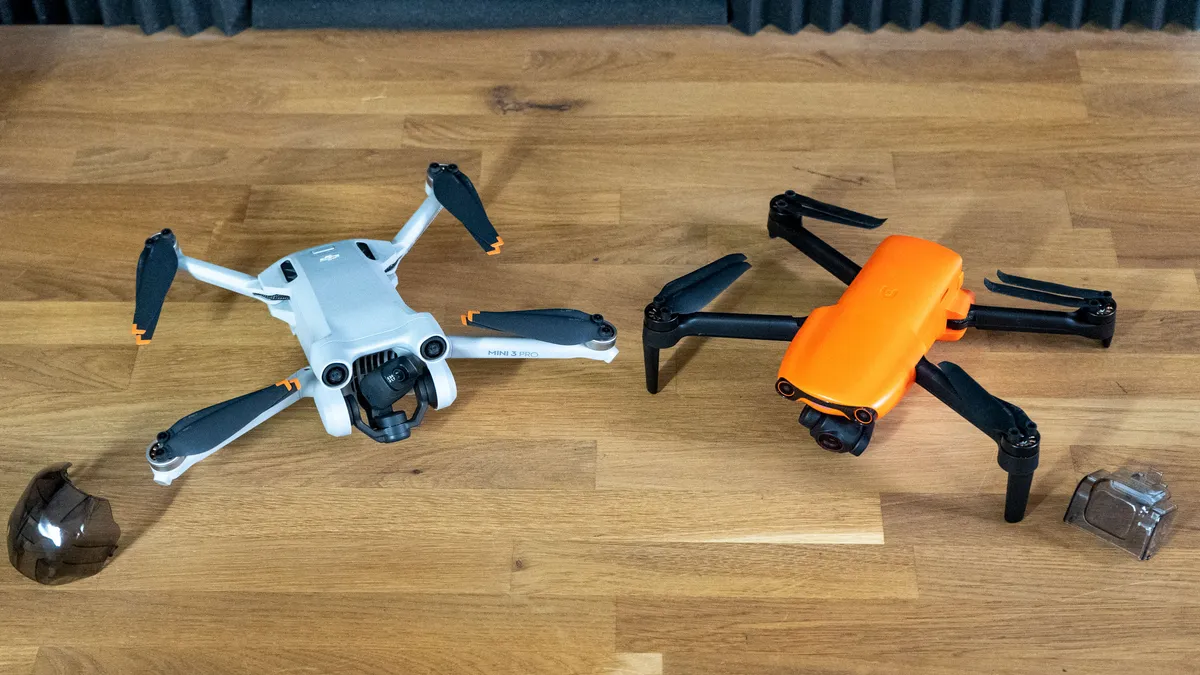
The problem is that few – if any – US drone companies make consumer-grade drones. The non-DJI drones that we recommend? None of those are made in the US either. A foreign-made drone ban doesn’t just eliminate options from DJI, it also removes drones from Autel, Potensic, Skyrover, Antigravity, Anzu, and HooverAir.

The US-based Skydio and Parrot previously made consumer drones, but left the market to focus on enterprise drones. Other American-made drone brands, including Freefly, Teal, WISPR, and Hylio, similarly do not produce consumer drones but focus on industrial, agricultural, and public safety sectors.
The foreign-made drone ban effectively pauses consumer drone technology in the US. I’m fully expecting some US drone companies to return to consumer drones in the absence of key competitors like DJI. But, drone development does not happen overnight. I wouldn’t be surprised if some companies began working on consumer models a year ago with the threat of the DJI ban, but I’m expecting a true US-made consumer drone to take some time.

Hopefully, the drone makers that already have experience with consumer drones – like Skydio and Parrot – will return to consumer drones in the absence of competition, and new drones will once again arrive on US shelves.
I’m hoping these new USA-made consumer drones come from companies that already have experience with UAVs. The failed GoPro Karma drone is the perfect example of just how challenging it is to design a drone for the first time.
But, such a change will require time, and the lack of competition may not bode well for prices either. If the only other drone options are ones launched years previously, new USA-made drone launches likely won’t need to be quite as competitive in their pricing.
Don’t get me wrong – I will happily reach for the product with the Made in the USA sticker if I have the option and the budget to do so. The foreign-made drone ban will hopefully lead to additional American manufacturing jobs, in addition to easing security concerns.
But, these changes take time and, in the meantime, American drone photographers and videographers will effectively be using drone technology placed in an indefinite pause.
You may also like
Browse the best drones for photography.

