
OM System cameras have a rare ability to autofocus on the night sky and create composite light trails in camera – but the brand’s latest camera takes astrophotography up a notch. The OM-3 Astro is a new custom camera from the Micro Four Thirds maker that’s geared specifically to photograph the stars, including an IR-sensitive sensor and a 50MP high-res mode that keeps the stars aligned.
The key difference between the OM-3 and the OM-3 Astro is that the new star-studded camera uses an infrared cut filter in front of the sensor. This allows the camera to capture the vibrant reds visible in nebulae.
To a traditional camera, the red nebulae is a faint pink. That’s because the light that gives these nebulae the vibrant red color is Hα rays, and traditional camera sensors block Hα light. By re-outfitting the camera sensor, the OM-3 Astro can capture the vivid reds in the night sky.
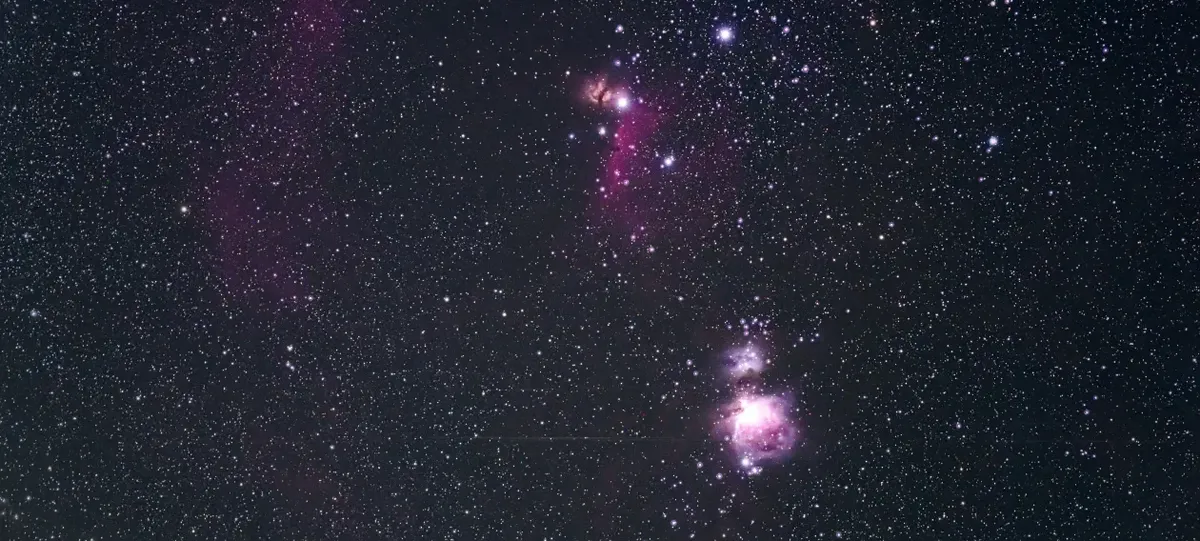
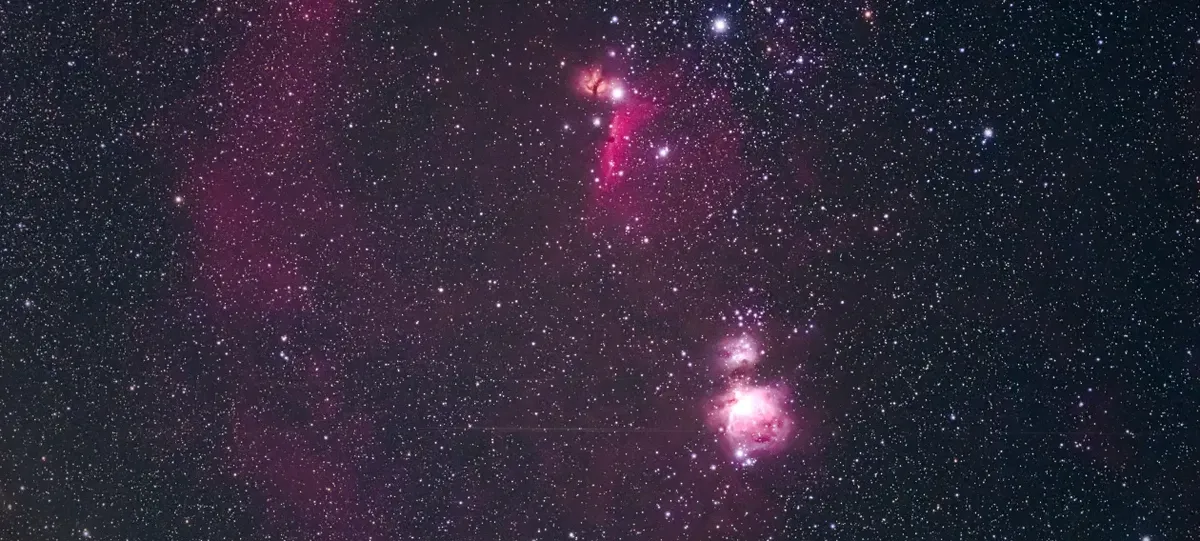
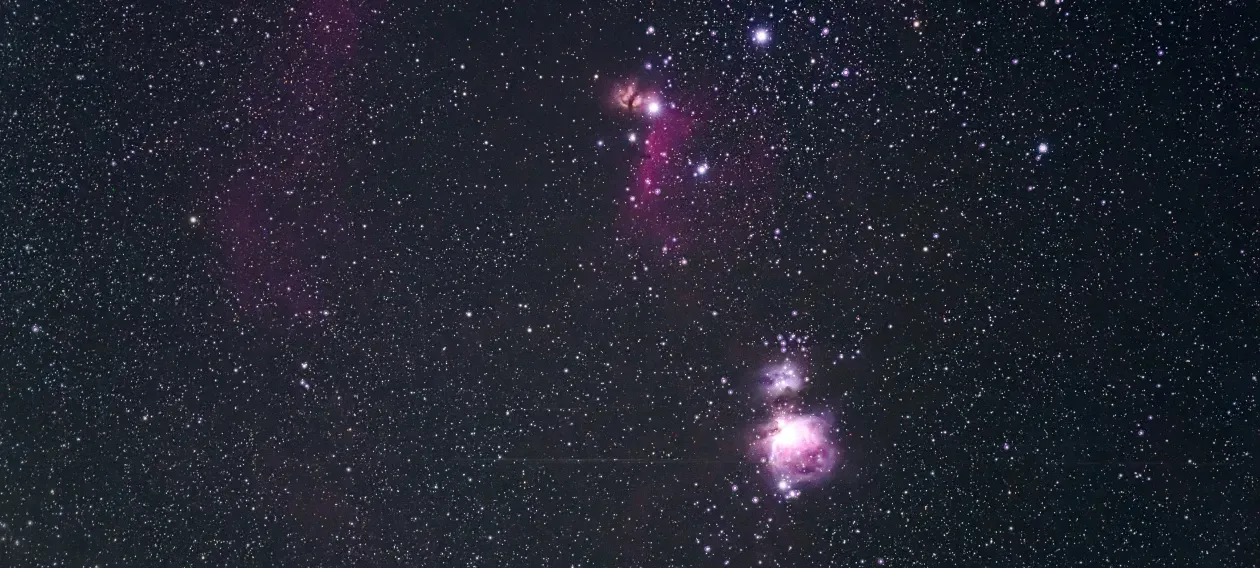
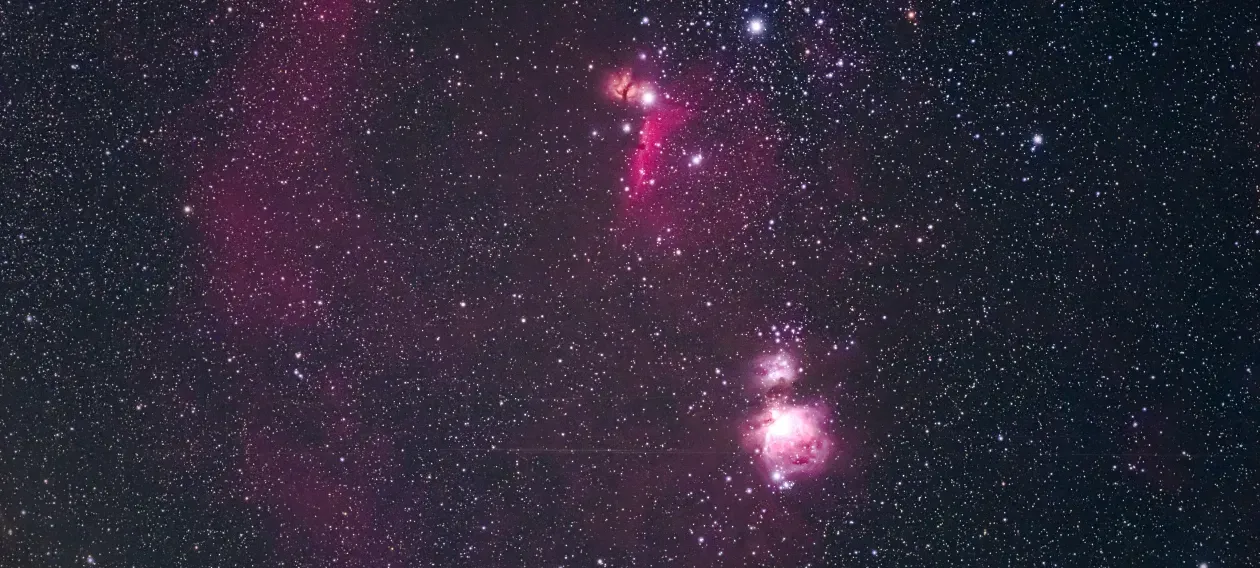
While the modified sensor is the biggest change on the Astro version of the OM-3, the camera also supports body-mounted filters. At launch, two filters will be available: a light pollution suppression filter, which helps fight the effects of artificial lighting on the night sky, and a soft filter, which helps spread the light of the strongest stars, making them appear larger.
The in-camera capabilities OM System is known for will play a role here, too. The Handhald High Res shot mode found among several OM bodies has been re-imagined for astrophotography.

The rotation of the Earth typically prevents the High Res mode from working on the stars – the images need to be stacked, and the position of the stars changes slightly between shots. With the OM-3 Astro, the tech typically used to reduce handheld shakes is used to make sure the stars are aligned – literally – between the shots, enabling the High Res mode for the night sky.
The OM-3 Astro will also place night sky modes onto the camera’s three custom spots on the mode dial. C1 is a stacking mode for astrophotography, C2 is for starry landscapes, and C3 is for using the camera’s stabilization for a handheld starry landscape.


The OM-3 Astro keeps the astro features of the original OM-3 as well, including live composites for creating star trails, starry sky autofocus, and a night vision mode for the screen and viewfinder.
The remainder of the camera’s specifications remain the same – including the native 20.4MP Micro Four Thirds sensor, the IP53-certified weather-sealing, and the 7.5 EV rated stabilization system.
The OM-3 Astro isn’t the brand’s first attempt at making a camera just for astro – the company also re-imagined the Olympus OM-D E-M1 Mark III for astrophotography.
The move to launch a dedicated astrophotography camera makes some sense. One of the genres that I love shooting with OM System is astrophotography. The Starry Sky AF is a rare feature that uses auto focus on the sky (Pentax has one as well, but it’s a paid firmware update). Live Composite is also a great tool for creating star trails without Photoshop.
The OM System OM-3 Astro is a made-to-order camera, so expect a bit more wait time for an order. The camera is expected to retail for $2,499 / £1,899 / CA$2,999. The body mount filters are sold separately, with the light pollution filter for $339 / £259 / CA$399 and the soft filter for $229 / £179 / CA$279.
The OM-3 Astro is expected to begin shipping at the end of February. Pre-orders are open from OM System's website as well as a handful of retailers, including B&H in the US and Wex in the UK.
You may also like
Browse the best cameras for astrophotography or the best lenses for astrophotography.

