
The shift towards digital photography in the early 2000s opened up many exciting doors for creatives. In 2011 Jamie Beck and Kevin Burg invented the cinemagraph – a still image with minor moving elements, fusing together ‘cinema’ and ‘photography’.
This isn’t simply just a short video clip, a large portion of the frame would remain completely still, but with moving elements carefully blended in. This could be grass blowing in a breezy field, or a person pouring a cup of tea with only the tea coming out of the spout in motion.
Throughout the 2010’s many big brands used cinemagraphs to catch attention on digital billboards and websites, opening up new marketing opportunities for companies to stand out – one study suggests the added movement boosted online click-throughs by 5.6x!
Panasonic clearly thought there was a growing trend here and in 2017 included a dedicated cinemagraph feature with the Panasonic Lumix GH5.
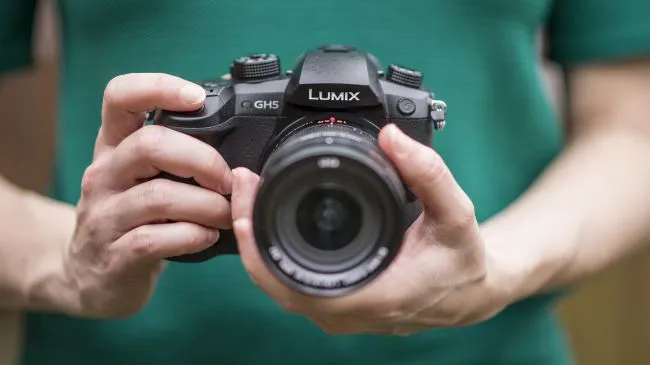
One issue with cinemagraphs is they’ve always been quite difficult – you really need to consider your lighting and compositions – for instance you can’t use flash as the moving parts will need to be lit with constant LEDs or natural lighting. Then there’s the time it takes to blend your still and video content together and masking it off before eventually converting it to a GIF file. If all this sounds a bit too meticulous, Panasonic’s Lumix GH5 did make the experience more user-friendly, but the trend just sadly didn’t take off, with many critics calling it a ‘gimmick’.
I would argue there’s never been a greater need for dynamic moving content now than ever, and I would bet that the 5.6x higher click through rate still holds up today. Social media platforms such as TikTok and Instagram demand more visually arresting and moving content so could the cinemagraph make a comeback?
I think they could… But instead of this old, rather clunky method, I think we’ll simplify the process using AI to add motion to still images, as well as automatically convert to an easily sharable GIF or MP4 file.
AI Image Animator programs like Vidu and Vidfly are already pretty good and I can only see them getting better, so who knows – maybe the cinemagraph will rise from the ashes and live to see another day after all!
You may also like
Before you add a Panasonic Lumix GH7 to your cart, compare the Panasonic S5 II and S5 IIX, or browse the best Micro Four Thirds cameras or the best cheap cameras.

