




Ricoh has officially doubled down on black-and-white photography with the official launch of the Ricoh GR IV Monochrome, a camera that feels less like a niche offshoot and more like a philosophical statement, which is now available to preorder for $2,196.95 at Adorama or at Wex: £1,599 or Ted's Cameras AU$2,999.95 ahead of it arriving in stores in February.
Previously revealed in a developmet announcement last year, the GR IV Monochrome builds on the GR series’ reputation for exceptional image quality, lightning-fast response, and true pocketable portability. This new model strips away color entirely, replacing it with a monochrome-dedicated sensor designed to extract every ounce of performance from the GR’s renowned lens.

By eliminating the color filter array and the interpolation process required to build color images, the GR IV Monochrome allows light to hit the sensor without compromise. The result is a level of clarity, tonal separation, and micro-contrast that plays directly into the strengths of monochrome photography.
At its core is an AA filterless APS-C CMOS sensor delivering approximately 25.74 effective megapixels, promising high-definition files with a richness and depth that color-converted images often struggle to replicate.
One of the most intriguing additions is a built-in red filter, which can be switched on or off with a single operation. Long a staple of traditional black-and-white photography, the red filter allows photographers to darken blue skies dramatically, lift clouds with added contrast, and make red subjects pop with heightened brightness. It’s a nod to classic technique, but implemented in a way that feels effortless and modern in use. This red filter essentially replaces the diffusion filter found on the recently introduced Ricoh GR IV HDF.
Sample Images
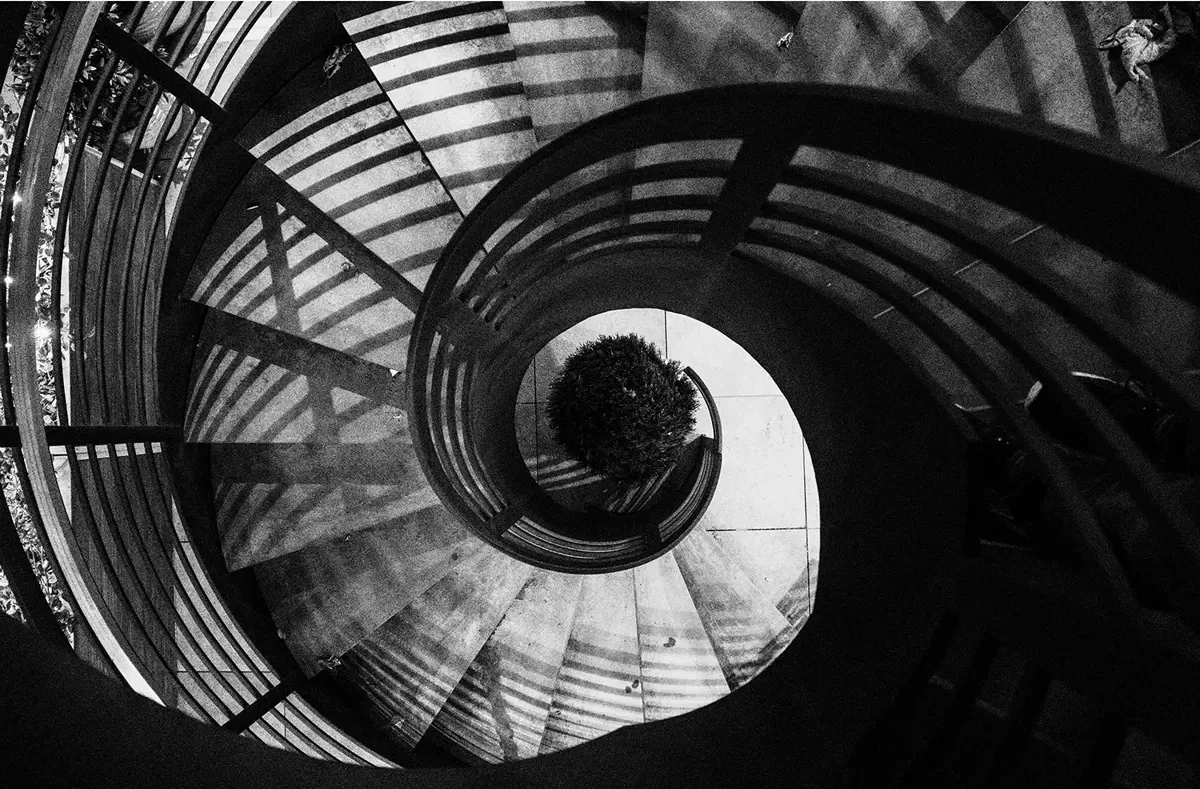
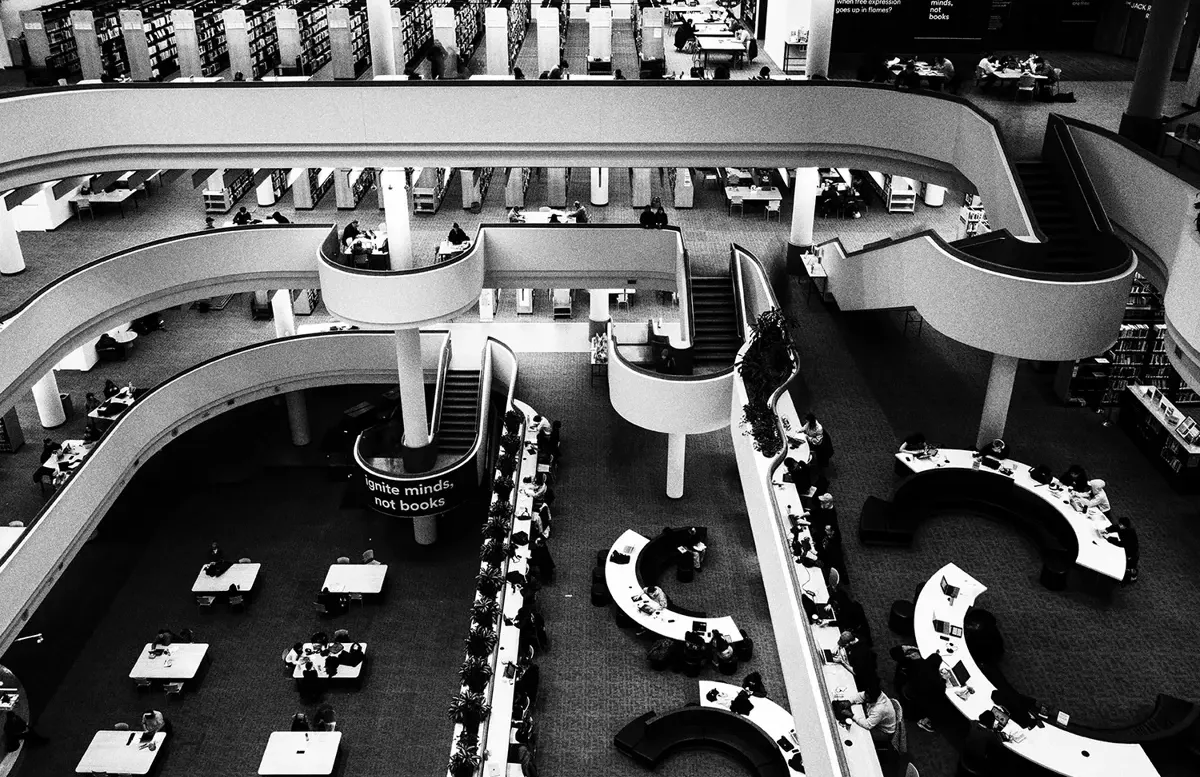
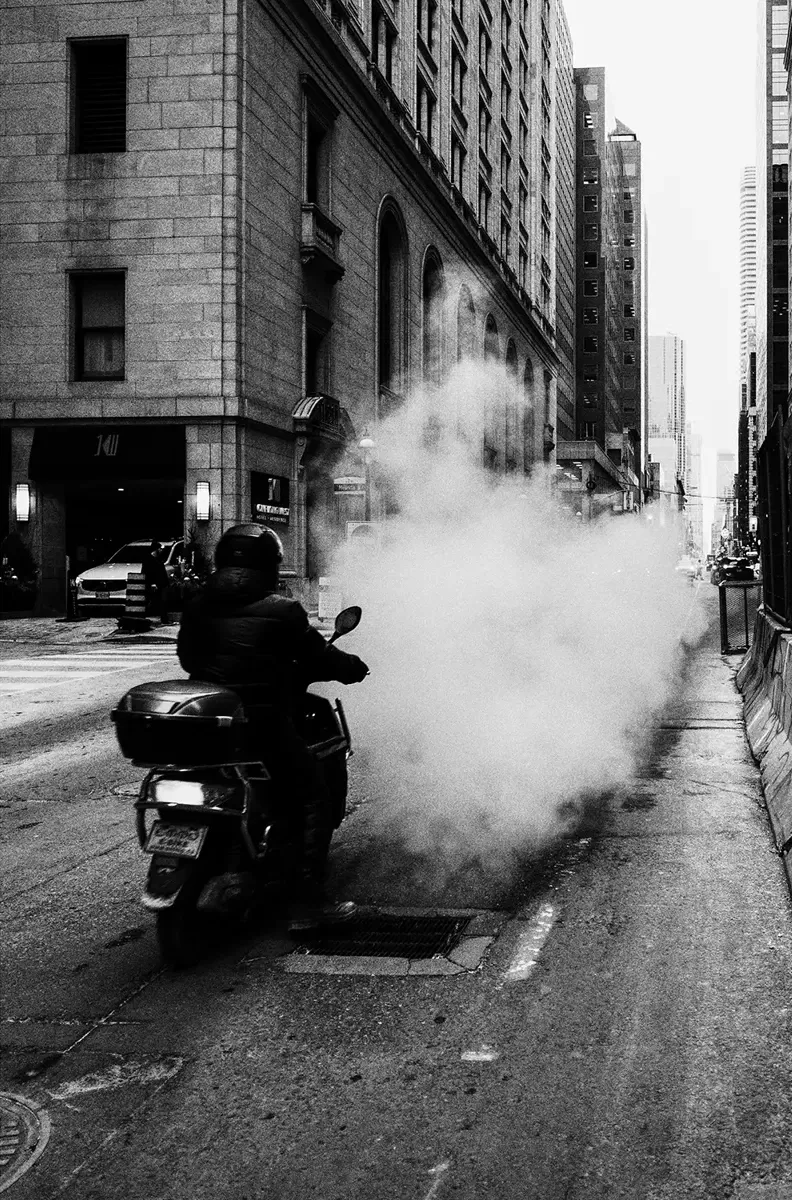
Ricoh has also introduced two new monochrome-dedicated Image Control modes designed to expand creative expression straight out of the camera. “Solid” applies a harder tonal curve for a crisp, clean look with refined edge clarity, ideal for graphic street scenes and architectural lines. “Grainy,” by contrast, leans into nostalgia, evoking silver-halide prints by preserving highlight detail, avoiding crushed shadows, and introducing visible grain that holds up even when viewed on smart devices.
The monochrome ethos extends beyond the sensor and into the physical design of the camera itself. The magnesium-alloy body is finished in matte black, as are the shutter release button and ring cap, creating a unified, understated aesthetic.
Subtle details reinforce the theme, from the white-illuminated power button to the semi-gloss black GR logo on the front, all of which combine to give the camera a quietly purposeful presence in the hand.


Completing the package is a dual-shutter system that pairs the traditional mechanical shutter with an electronic option capable of a top shutter speed of 1/16,000sec, as introduced with the Ricoh GR IV HDF. This superfast setting opens up creative flexibility in bright conditions, making it possible to shoot wide open without neutral density filters while taking full advantage of the monochrome sensor’s high-sensitivity characteristics. The top setting on the GR IV is currently 1/4000sec, but is due to get this electronic shutter setting via a firmware update in the coming weeks.
For the most part, however, the GR IV Monochrome shares the same specifications and design as the Ricoh GR IV.
In a market crowded with ever-more complex cameras, the GR IV Monochrome stands out by doing less - and doing it with absolute conviction.
Pre-order

The Ricoh GR IV Monochrome is currently available to pre-order at the following retailers:

