
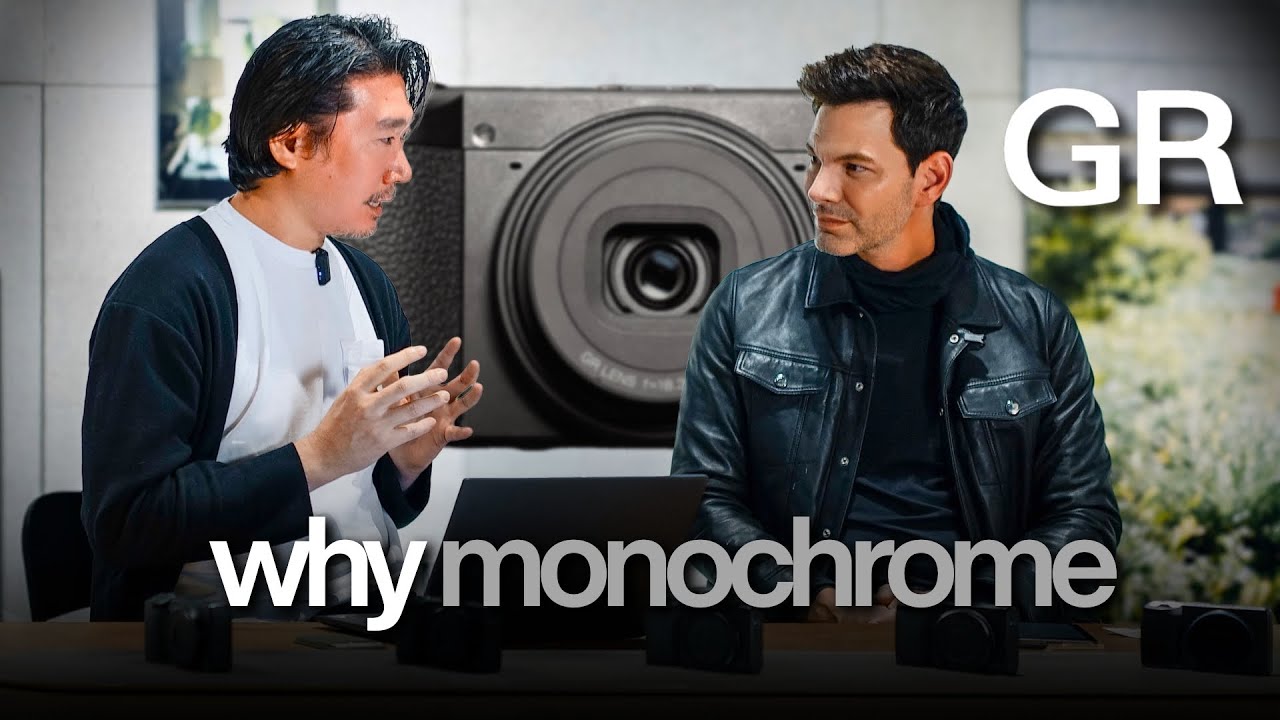
A recent interview hosted on Bobby Tonelli’s YouTube channel has quietly reignited one of the longest-running wishes in modern photography: the possible return of the Ricoh GR as a film camera.
In the candid conversation with the Tetsuya Iwasaki, Department Manager of Product Planning at Ricoh Imaging, the idea of remaking a GR film camera was addressed directly - and while no promises were made, the door was very deliberately left open.
Watch the full interview here:
The GR name carries serious weight in photographic culture. Long before the digital GR became a cult favorite for street photographers, the original GR film cameras were revered for their sharp lenses, pocketable form factor, and no-nonsense approach to image-making. They were tools built for photographers who valued instinct over excess, and decades later that philosophy still defines the GR identity. It’s precisely that heritage which makes the idea of a film revival so compelling.
During the interview, Ricoh’s Product Planning lead acknowledged the growing chorus of photographers calling for a return to film.
“It’s true that there are many voices calling for it to be made,” they said, before stopping short of confirming any active development.
Importantly, though, the response wasn’t dismissive. Instead, it framed the demand as something Ricoh feels a responsibility to consider — particularly when users are clear about the kinds of photographs they want to make, and what they expect from a brand with Ricoh’s legacy.

That distinction matters. In an era where film photography has moved well beyond nostalgia and into genuine resurgence, manufacturers are increasingly aware that film users aren’t simply chasing the past. They’re seeking a slower, more deliberate photographic experience that digital can’t replicate.
For Ricoh, whose GR cameras have always been about responsiveness, discretion, and photographic intent, a film GR wouldn’t be a gimmick – it would be a philosophical continuation.
What makes this conversation especially interesting is its timing. Film sales continue to grow steadily, compact film cameras are commanding eye-watering prices on the secondhand market, and photographers are clearly willing to invest in high-quality analog tools if they feel thoughtfully designed. Ricoh’s acknowledgment that “we have no choice but to consider it” suggests the company is acutely aware of that shift, even if the commercial and technical challenges remain significant.
Of course, remaking a GR film camera today wouldn’t be simple. Supply chains, mechanical expertise, and cost all present hurdles that didn’t exist when the original cameras were produced. But Ricoh has never been a brand to chase trends blindly. If a film GR were to happen, it would almost certainly be because the company believed it could deliver something authentic — not just a logo revival, but a camera worthy of the name.

For now, the idea remains firmly in the realm of “consideration” rather than confirmation. Still, for GR loyalists and film photographers alike, hearing Ricoh openly acknowledge the demand feels like a small but meaningful shift. Sometimes, in this industry, that’s exactly how big comebacks begin.

