Since digital cameras surpassed the one-megapixel mark, camera makers have been locked in a decades-long megapixel race. But some of 2026’s most viral cameras have abandoned the race entirely, reverting to single-digit megapixel counts and focusing on something else entirely: the joy of taking photographs.
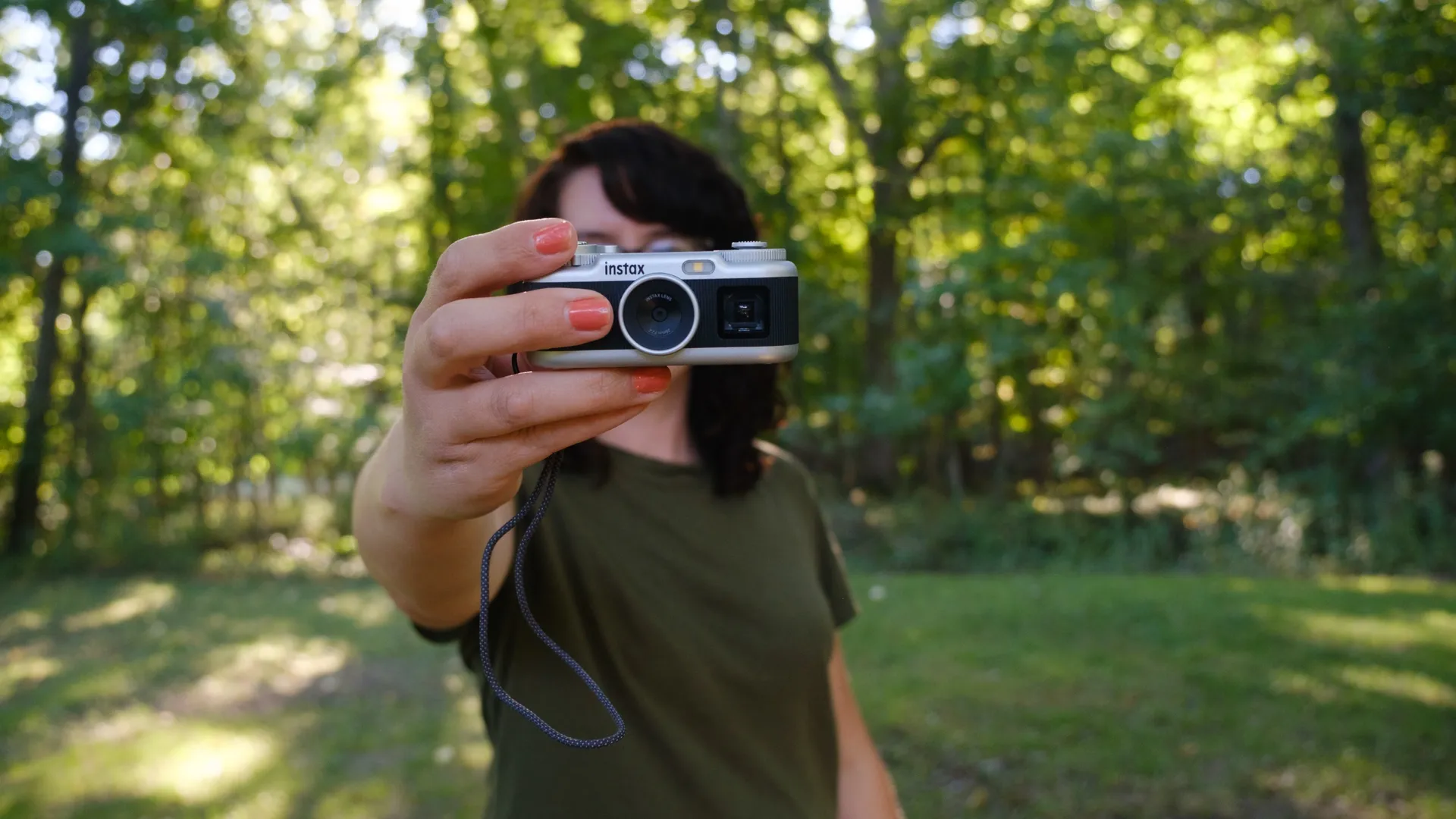
Take, for example, the newly announced Instax Pal 2. The tiny camera houses a 10MP 1/3.06-inch sensor that takes images that, looking too closely, look more like paintings than modern photographs. As a professional photographer, I probably shouldn’t love something with such low-tech specs – and yet, I do.
The images aren’t what I love about Pal 2, but rather the experience of taking the photos, the joy of holding it in my hand. Besides the impossibly adorable small size, the Pal 2’s waist-level screen, retro controls, and built-in creative effects are simply fun.
The Pal 2 isn’t alone in abandoning the megapixel race without even a participation ribbon. Cameras like the Camp Snap CS-Pro, Kodak Charmera, Rewindpix, Flashback One V2, and Chuzhao prioritize the experience of taking photographs over the actual photographs.

Several of those lo-fi cameras have launched to viral success. The Kodak Chamera, for example, has less than 2MP, yet the tiny, collectible designs meant the camera sold out in a day. The Chuzhao is basically a toy camera, but its twin-lens reflex design pushed it to the top of Amazon’s best-seller list.
Picking up a camera with a wonderfully fun design reminds me of the fact that I’ve been taking too many snapshots with what’s essentially a box: my phone. And that’s exactly what these cameras are meant to replace – these low-fi cameras are snapshot cameras meant for shooting fewer photos on a phone. Cameras like the Pal 2 and Camp Snap CS-Pro are meant for snapshots, not professional photographers.

Part of the charm of these cameras is, perhaps, intentional imperfection. The trend for retro photos – and not necessarily retro cameras – has been building for a few years now, but I think AI is going to be the catalyst that puts charm, personality and emotion over perfection.
The professional camera world has not abandoned the megapixel race – though I would certainly argue that the race’s pace has slowed considerably. Mirrorless cameras are still launching with higher and higher resolutions, pushing 67MP and, yes, even triple-digit resolutions.
But while image quality remains the number one priority among serious cameras, the push towards exaggerating the experience of taking photos has not gone unnoticed by the major camera makers. Fujifilm, which long ago spotted the retro camera trend, seems to be experimenting with adding more dials, from film simulation to aspect ratio. OM System has finally revived its beloved retro PEN camera. Even Canon has joined in on the retro look (sort of) with the EOS R8 Mark II.
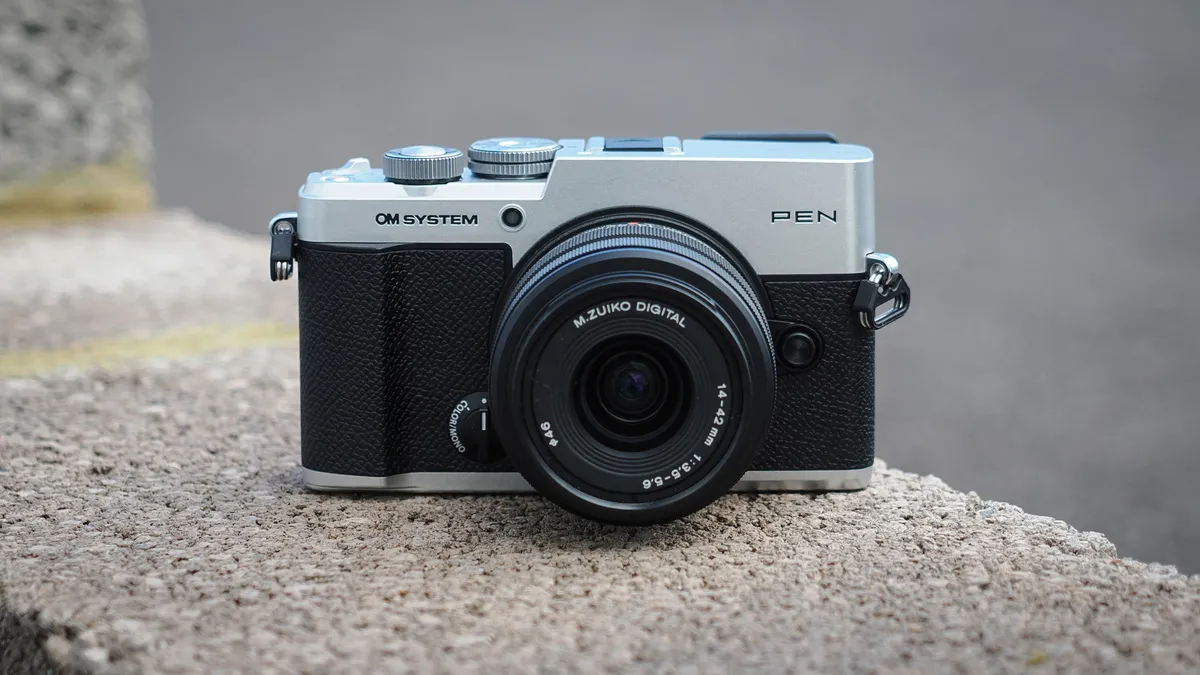
A retro look isn’t the only aspect of camera design that makes my hands happy. Lightweight designs are becoming a key focus, both for the camera bodies themselves, like the new Nikon Z5IIC, and the lenses, as with Sony’s new remarkably light telephoto primes.
The low-fi retro camera is built for an entirely different audience than pro photographers and serious hobbyists. But a handful of cameras sit somewhere in the happy medium between the two.
There’s the Fujifilm X Half, for example, which has a one-inch sensor well beyond the capabilities of the Pal 2, mixed with a design – and screen-free mode – that feels more film than digital. A few cameras blend both the large sensor and high resolution with an experience-focused design, like the Fujifilm X100VI’s hybrid viewfinder and retro dials.
The megapixel race isn’t over for mirrorless cameras and high-end compacts. But as even smartphones reach triple-digit megapixel counts, the consumer cameras that are going viral are the ones that prioritize the joy of taking photos over pixel-perfect image quality.
After the smartphone killed the compact camera market, the point-and-shoot is returning with a vengeance as more people reach for cameras that feel like the exact opposite of the thin rectangle that’s always on hand. Cameras should be fun – and that’s a trend I’m in love with.
You may also like
Take a look at the best screen-free cameras for a distraction-free shooting experience. Or browse the best retro cameras.

