





I prefer wildlife photography spent hiking rather than sitting in a blind. The problem is that wildlife camera gear is often the heaviest – and priciest. Inspired by the launch of the latest bridge camera, the Sony RX10 V, I wanted to see if it was possible to build a lightweight mirrorless kit under 3lbs / 1.3kg.
I took the Sony A6700 with the FE 70-350mm f/4.5-6.3 G OSS to a wildlife refuge to see how a lightweight, crop-sensor mirrorless kit could perform for wildlife photography. I wasn’t disappointed.
Paired together, the A6700 with the 70-350mm weighs just over 36oz – or about 2.25lbs / 1kg. That’s a highly hikeable camera system. I ended up walking almost 2.5 miles / 4 kilometers with the kit on a fall afternoon. I probably would have gone even farther, but sunset comes fast in the fall.
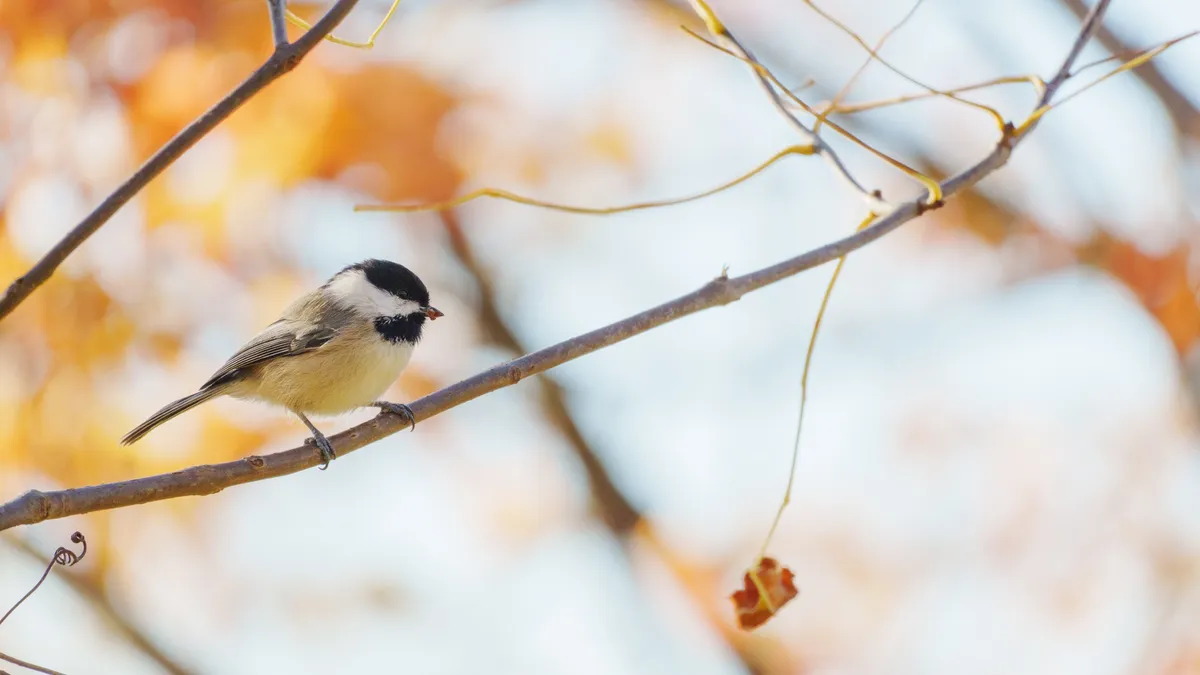
I review cameras for a living, which means I’ve shot with a lot of the best telephoto lenses that I otherwise may not have been able to afford – including lenses that cost more than my first car and felt like carrying around a third leg.
It’s difficult to go from shooting with a 600mm lens to a zoom that maxes out at 350mm. But, the crop sensor edges the lens towards a 105-525mm equivalent. That’s not a bad reach considering the cost of the lens and how easy it is to carry around.
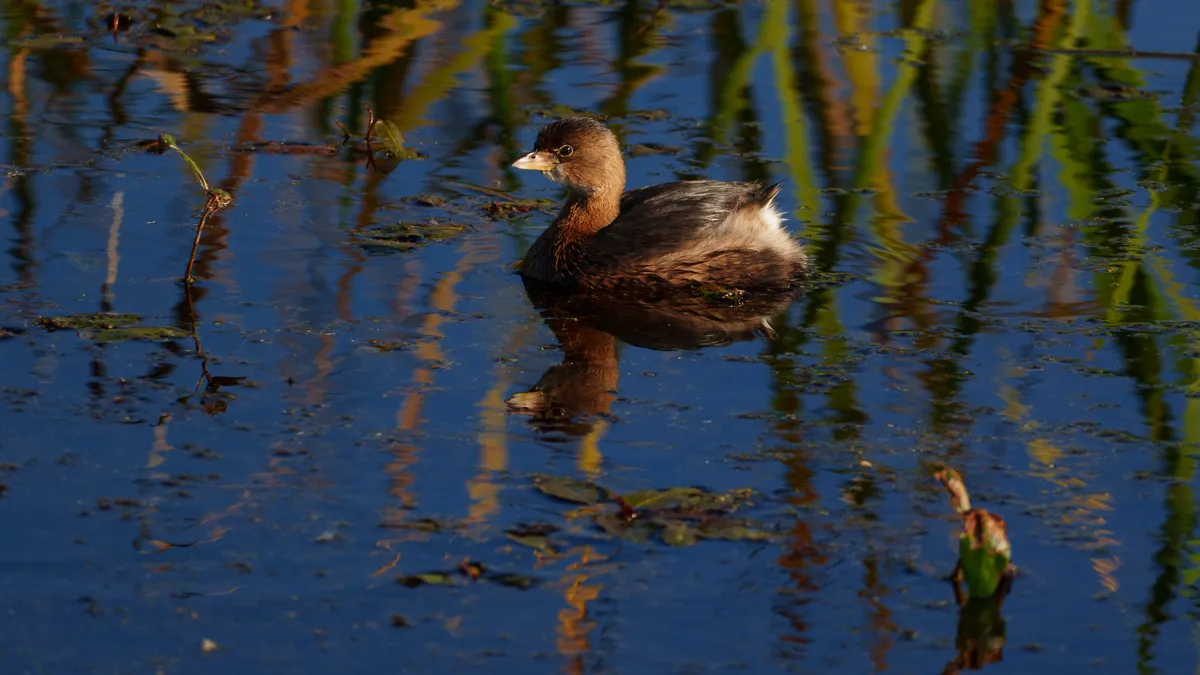
I did occasionally wish to get a little closer – which is the norm for me when I’m out photographing wildlife and too impatient to sit still for very long. That’s really what’s required to photograph wildlife with a shorter telephoto: more patience to wait for the creature to come close.
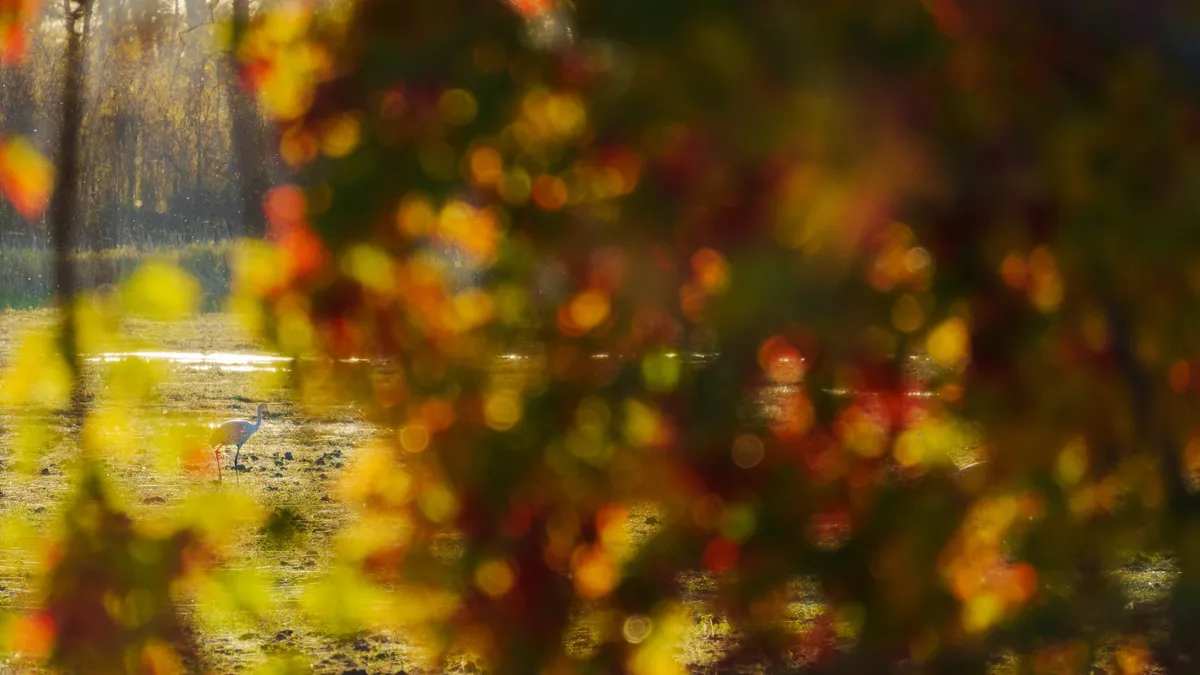
Yet, when I couldn’t get as close as I wanted, I ended up focusing on capturing more environmental portraits that show birds in their surroundings. I used the fall color to frame these distant but plentiful migrating sandhill cranes.


Redwing blackbirds were also plentiful on my hike, and I didn’t mind not being quite as close while photographing them plucking seeds from fading flowers.

What I missed about using larger, pricier systems like the Sony A7 V with the 200-600mm f/5.6-6.3 G OSS or the new 400mm f/4.5 and 600mm f/6.3 primes is that the larger sensor allows for less noise at fast shutter speeds. That’s particularly noticeable when trying to crop in on the photos.


Last year, I tried three budget cameras from three brands for wildlife photography – a genre that’s notoriously difficult to do on a budget – including the Sony A6400.
The budget bodies and lenses did surprisingly well, illustrating just how far cheap cameras have come since the early DSLR days when my first APS-C DSLR shot just 3fps.
But the Sony A6400 has an older animal eye detection system, and I’ve been itching to try the Sony A6700 with a budget lens ever since. The A6700 with the 70-350mm lens didn’t disappoint, creating an easily hikeable kit.
You may also like
Take a look at the best cameras for wildlife photography or the best lenses for bird photography.

