





A valid way to express our creativity? Or, now we can recreate a filmic look digitally, more of a hipster gimmick? Whichever, it’s certainly true that various pundits have been declaring that ‘film is back, baby!’ for some time now. Without it quite ever feeling conclusively so.
While everyone at one time went nuts for digital cameras and then smartphones, independents like analog-obsessive Lomography kept the flame alive with quirky, plastic-y roll-fed contraptions – and continue to do so.
But there has been a noticeable ramping up of both film-based product and positive rhetoric in the past couple of years – and I’m wondering why.
Our phones are already full of digital filters that deliver a film ape-ing retro appearance, complete with grain and light leakage – the kind of ‘nostalgic’ artefacts that digital photography promised to rid us of.
When old-school filters aren’t selectively applied, and our phones are left to automatically and heavily process images for us, we can sometimes end up with too sterile a look.
Imperfections can be what subconsciously prompts us to engage with an image. Something too pristine, or too overtly ‘digital’, repulses. See also the debate around heavy use of AI.
Phones aside, today’s dedicated cameras are also exploring our current relationship with film capture.
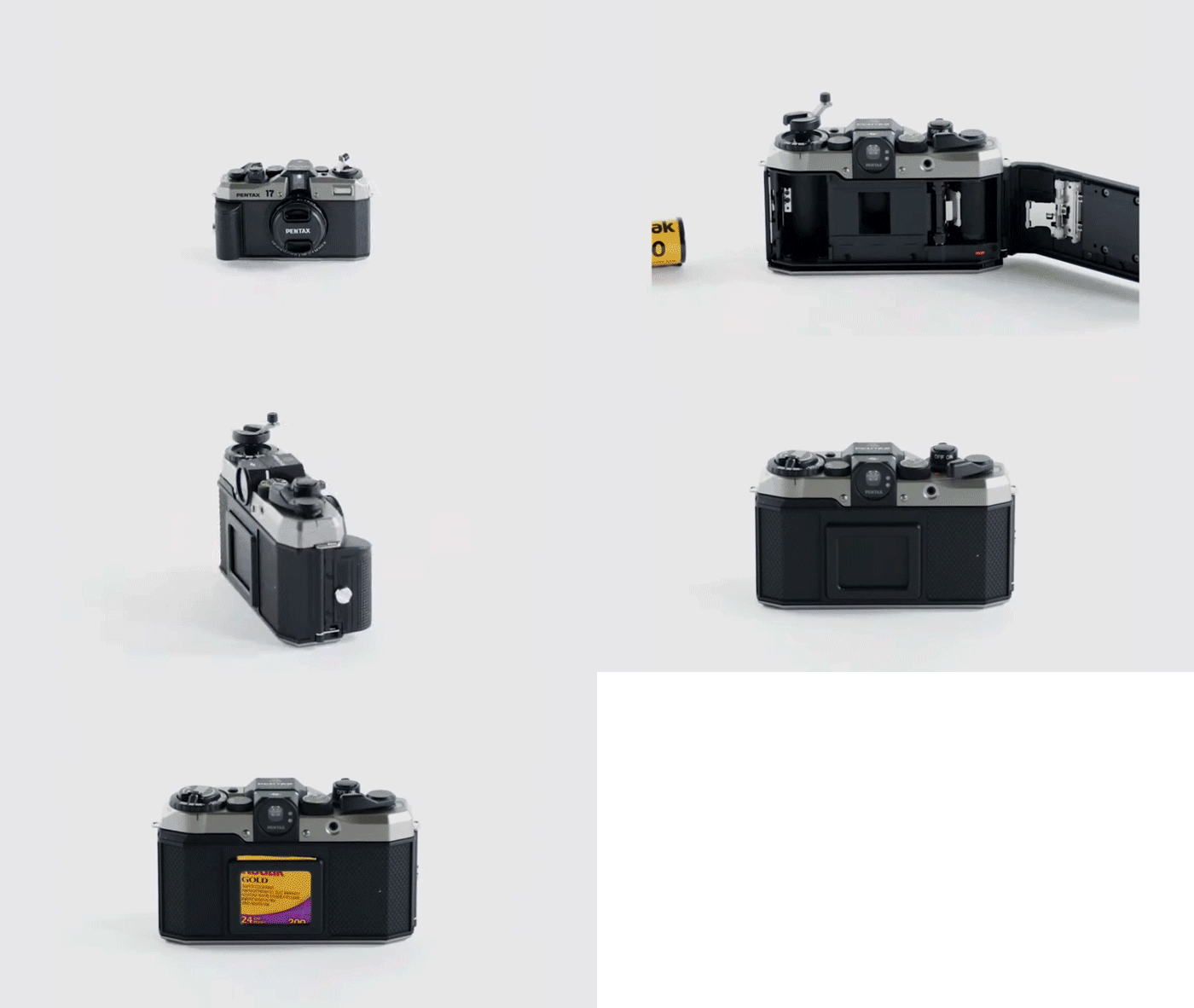
Interesting if niche releases – including the Pentax 17, a half-frame film camera, and Fujifilm X Half, with its Film Camera mode – remove digital photography’s immediacy and encourage us to slow down and (re)consider every image. And in principle, these are no bad thing. Even if they feel like gimmicks in search of an audience.

See also Fujifilm’s Instax Mini Evo Cinema, with its deliberately deteriorating images relative to how far back we turn its Eras dial, plus additional ring to degrade the image further, which I’ll admit is fun for five minutes.
But it was the so-called digital darkroom (essentially a computer, card reader and editing software), a term much trumpeted in the early 2000s but sounding positively prehistoric now, that was supposed to free us from all that, getting rid of the trays of smelly processing chemicals that haunted school photo clubs.
Ultimately, it’s all too easy to fall back on the drug that is nostalgia without making the effort or feeling the need to nudge the dial forward and create something wholly new.
So, I’m hoping we’ll see increased ambition from our favorite camera companies before the year is out.
You might also like…
Take a look at the best film cameras along with the best 35mm camera film, as well as the best retro cameras that give you the vintage look with modern mirrorless tech.

