
Film has made an epic return – but how much has the craving for analog impacted the price of it? The developer behind a program that tracks film prices put together a six-month analysis to find the answer – and found that film prices may not have shifted as much as many think.
The film photographer and programmer behind the blog Analog Cafe programmed a tool that tracks film stock prices across a handful of different stores. Monitoring prices from the first half of 2026, the analysis showed that film’s price change, on average, fell under the typical annual inflation rate of 3% at 2.5% – though that change was across 6 months.
While the inflation on film prices is only for half of a year, the previous six months before that had the same rate, suggesting that film prices are remaining steady. In fact the study suggests that, considering the US had a 4% inflation rate in 2025, film prices were fairly stable.
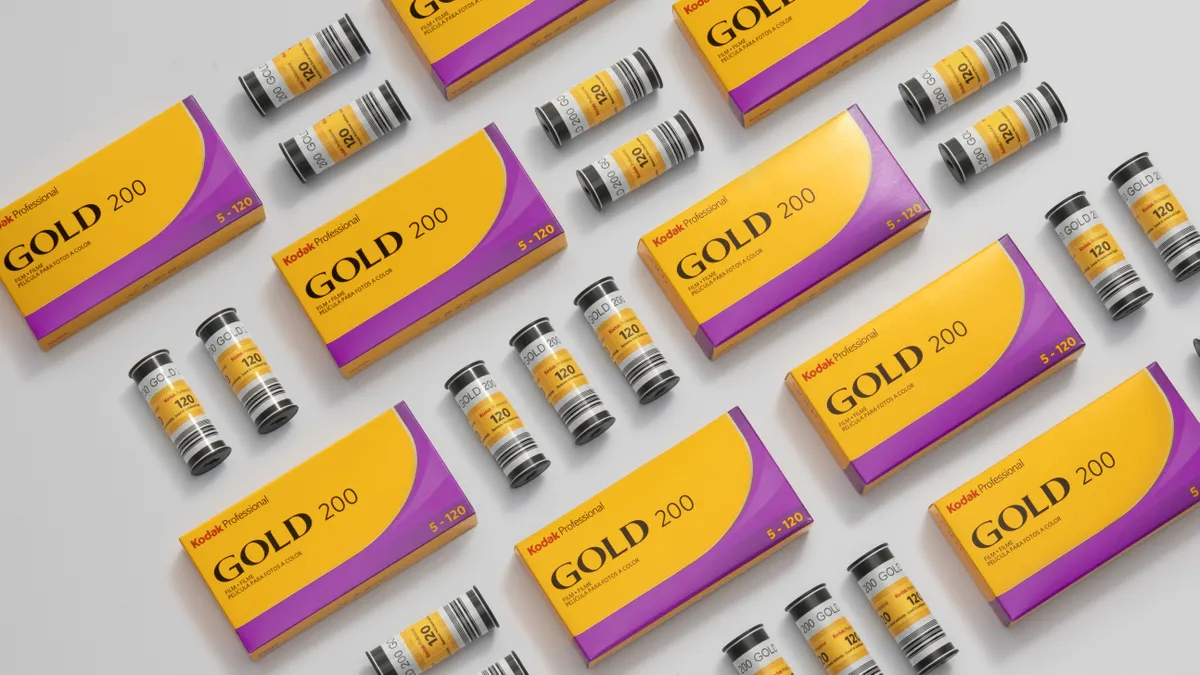
The digital camera is more of a one-time purchase than analog, which tends to make the cost of film photography feel like a luxury.
But the analysis also pointed out that a 24-shot roll of the popular Kodak Gold cost $4.60 in the 1990s. With inflation and changing wages, that’s like $11.40 in today’s dollars. Kodak Gold’s average film price over the past 6 months, however, was $10.34 – and that’s for a 36-shot roll.
While on average film prices have remained behind the annual inflation rate, price changes can vary widely by film type as well as the country. In Europe and Canada, film is on average 6% more expensive. By comparison, Europe’s June 2026 inflation rate was 2.8% and Canada’s sits at 3.2%.
According to the analysis, a handful of films are a bit cheaper than they were half a year ago, including Kodak Extapan T-Max 400, Ilford Delta Professional, Kodak UltraMax 400 and Fujifilm Neopan Across 100.
On the flipside, a handful of film stocks are now more expensive than they were six months ago. Among the worst offenders are Kodak Kodacolor ColorPlus 200 with a 10.5% price hike, followed by Ilford XP2 Super 400 and Ilford FP4 Plus 125.
For more data across more film types, visit Analog Cafe’s Film Price Index.
You may also like...
Out of all the film we've tried, these are the best film stocks. Or, take a look at the best film cameras.

