
Exposure is the single most important factor in photography – followed closely by composition. I mean, you can line up the greatest composition in the world, but if you’ve under or overexposed the image beyond saving, that composition means nothing. This is precisely why I don’t get the overbearing – dare I say sycophantic – obsession with manual exposure.
I will hold my hands up and say that the photography press has perpetuated the myth that ‘going manual’ is somehow a serious photographer’s right of passage. And goodness knows, the way it gets talked about, you’d think by flicking the switch you’d immediately ascend, be blessed by the photography greats, and return to Earth as a walking-talking light meter.
The manual myth

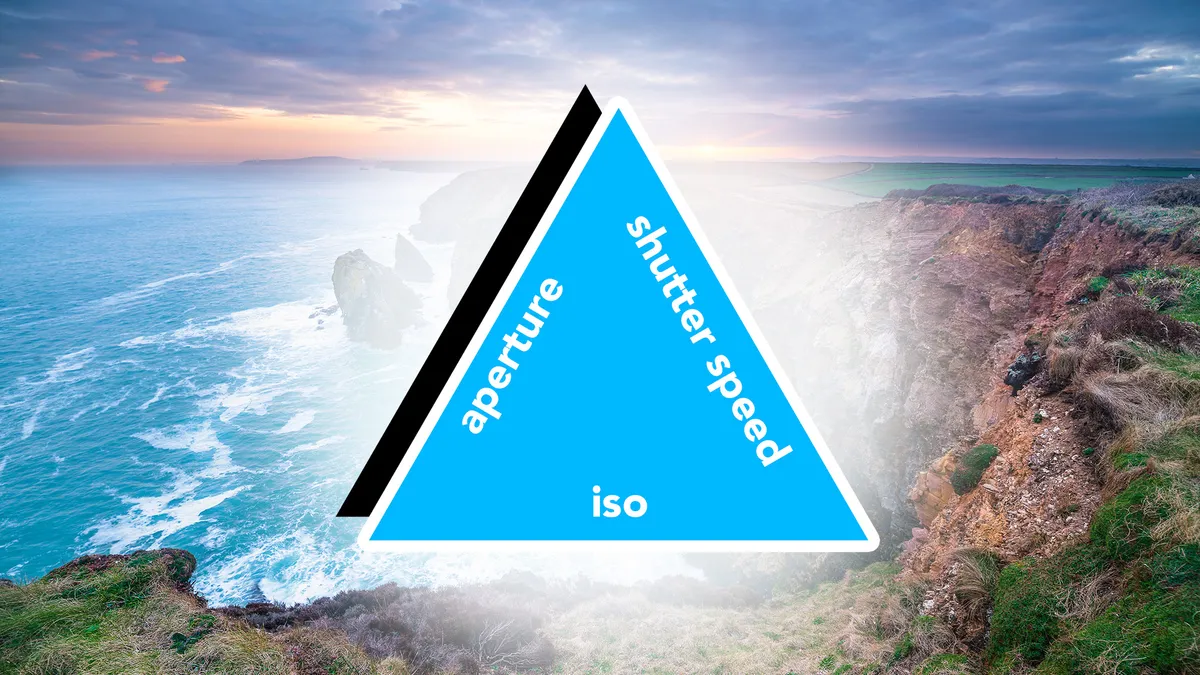
But here’s what nobody is telling you; the act of simply switching to manual mode will not improve your photography. If you’re not prepared, it’ll make it worse. If you switch to manual exposure and haven’t mastered both the exposure triangle and your camera’s controls, you will only increase your chances of underexposing or overexposing your images. And that’s when you’re not completely missing the moment because you’re inadvertently thumbing the aperture command wheel, when you should have been thumbing the shutter speed command wheel, or you were attempting to widen the aperture only to accidentally narrow it.
You wouldn’t promote a karting champion straight to F1, so if your camera is perpetually set on auto, the last thing you want to be doing is switching to manual mode because the internet told you to. And don’t give me: “Well, in the film days it was all manual and we just had to deal with it,” because there’s a reason the Canon AE-1 was so popular and that reason was shutter priority.
Priority modes

If you don’t know what a priority mode is, think of it as manual mode light. Most cameras nowadays have two priority modes: shutter priority and aperture priority. The former allows you to directly control the shutter speed, leaving the camera to automatically set the aperture and the latter allows you to directly control the aperture, leaving the camera to automatically set the shutter speed. In both instances, you can choose to allow the camera to automatically set the ISO or control it manually.
The beauty of these priority modes is that they allow you to retain your creative agency. Need to control the depth of field? Aperture priority allows you to do that. Want to freeze fast action? Select shutter priority. And should the camera adjust the opposing setting as far as possible, you can alter the ISO or adjust your chosen priority setting to compensate.
Plenty of professional photographers rely on priority modes. Especially those working in environments where they need to react quickly. But they are also the perfect jumping-off point for photographers looking to breach the confines of auto mode or P modes, without completely loosening the reins.
Am I saying that you shouldn’t use manual exposure mode? Absolutely not. Manual exposure is still the only way to maintain complete control over your settings and in the hands of a skilled photographer, it’s unmatched. It’s also the preferred setting for disciplines such as landscapes and architecture, where you can generally take the time to tweak your settings without fear of missing the moment.
Just don’t get caught up in the manual mode hype. Free yourself from the confines of auto mode by selecting a priority mode. Manual mode will come, when you’re ready.
You might also like...
Check out the best beginner cameras or the best mirrorless cameras. If you’re confident when it comes to exposure, upgrade your nature imagery by trying out my landscape photography tips.

