
Some of the most popular digital cameras right now are inspired by retro cameras – and film photography is making a comeback right alongside the digital lookalikes. But, learning how to shoot film is an entirely different beast than learning photography on a digital platform. As a photographer who has shot both digital and film, there are two types of cameras that I recommend for anyone eager but nervous about trying film for the first time: disposable cameras and instant cameras.
Now, I’m not saying that you can’t find an old film camera at a garage sale and learn from that – which is what I did. But there’s a lot of room for error in learning film. Case in point – just last year, I sent in a roll of film, only for the lab to tell me that there wasn’t anything on it. (I'm still upset about it.) Either the old camera malfunctioned, or I didn’t load the film properly, and I lost all 36 of the images I thought I had taken on that roll.
But when I think of film cameras that have the lowest odds of messing up shots, two types instantly come to mind – the disposable camera and instant film.
Disposable film cameras
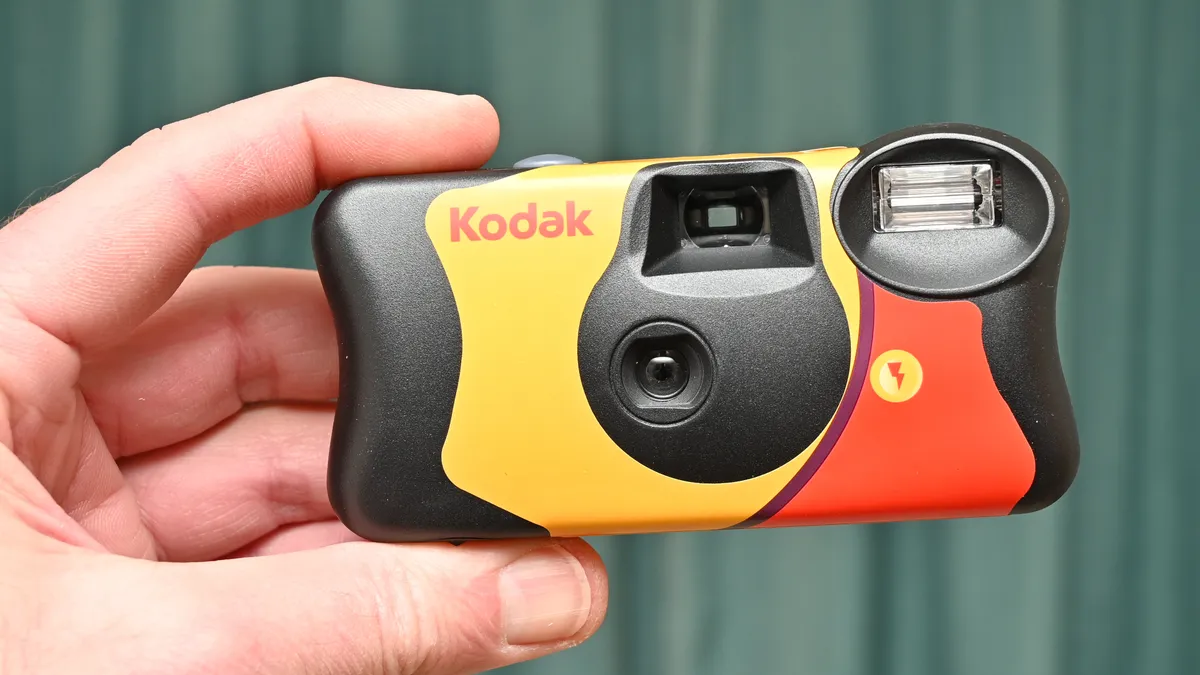
Disposable cameras take out one of the most daunting parts for digital photographers learning film for the first time: loading the actual film itself. Disposable film cameras come pre-loaded and are sent to the lab without needing to be unloaded.
Yet, disposable film cameras still have all the nostalgic goodness of film. Disposable cameras have the classic colors, the direct flash, and the film grain without the learning curve. Disposable cameras are affordable too, and if you decide you don’t love film, you’re not out several hundred dollars.
Instant film

The other format that’s so easy even kids can try is instant film. Instant cameras still create those film colors, plus add that nostalgic white frame. You do have to load an instant film camera, but instant film comes in cartridges, not rolls. It’s harder to load an instant film camera incorrectly than it is to load it correctly, as many instant film cameras are made in such a way that if you try to load the film backwards, it doesn’t fit.
The biggest perk to instant film over a disposable camera is that you can see your photos not quite instantly, but after a minute or two. A roller inside the camera crushes the development chemicals over the film, and after a few minutes, the photo that you just took appears on the film.

That’s fast enough that if you made a mistake, you’re probably still in the same location with the same people, so odds are good you can try again. Plus, you don’t have to worry about researching film developing labs. But, unlike a disposable camera, where you can choose what size prints to order back from the lab, you’re limited to a fairly small print size with instant film.
Disposable cameras and instant film cameras aren’t the only analog formats that are beginner-friendly. I have fond memories of shooting with a 110mm camera in the 1990s, and the cartridges were simple enough that I could load them myself even as a kid. The modern Pentax 17, a half-frame camera using 35mm rolls, feels like a stepping stone between a disposable camera and a film SLR with its zone focusing and automated modes.
But, when I think of the film cameras that are easiest for film newbies to try, the first options that come to mind are instant film and disposable film cameras. Then again, the fun of film is the imperfection and happy accidents, so if you have your heart set on a certain advanced film camera – go for it!
You may also like
Ready for real film? Browse the best disposable cameras, the best instant cameras, or the best film cameras for more inspiration.

