




Data from CIPA (Japan-based industry watcher) for 2026 suggests that shipments of smaller sensor interchangeable-lens cameras have held up a lot better than those of larger full-frame sensor alternatives.
Full-frame shipments have slipped by as much as 20%. By contrast, APS-C and Micro Four Thirds cameras saw slight growth in the first half of the year, with shipments only dipping by a modest 3.2% since the height of the summer. At the same time, the value of such units has risen 14%.
Add in the undeniable popularity and resurgence in fixed-lens compact cameras in recent years and it points towards consumers (when they do consider buying a camera) preferring more lightweight and portable bodies.
In a cost-of-living crisis, it’s also fair to deduce consumers want those self-same bodies to be sold for a fair, or at least affordable, price.
So why is it, then, that we are still seeing a lot of higher-end full-frame models, including the Canon EOS R8 Mark II, Sigma fp2, Sony A7R VI or Nikon Z5IIC being released instead?
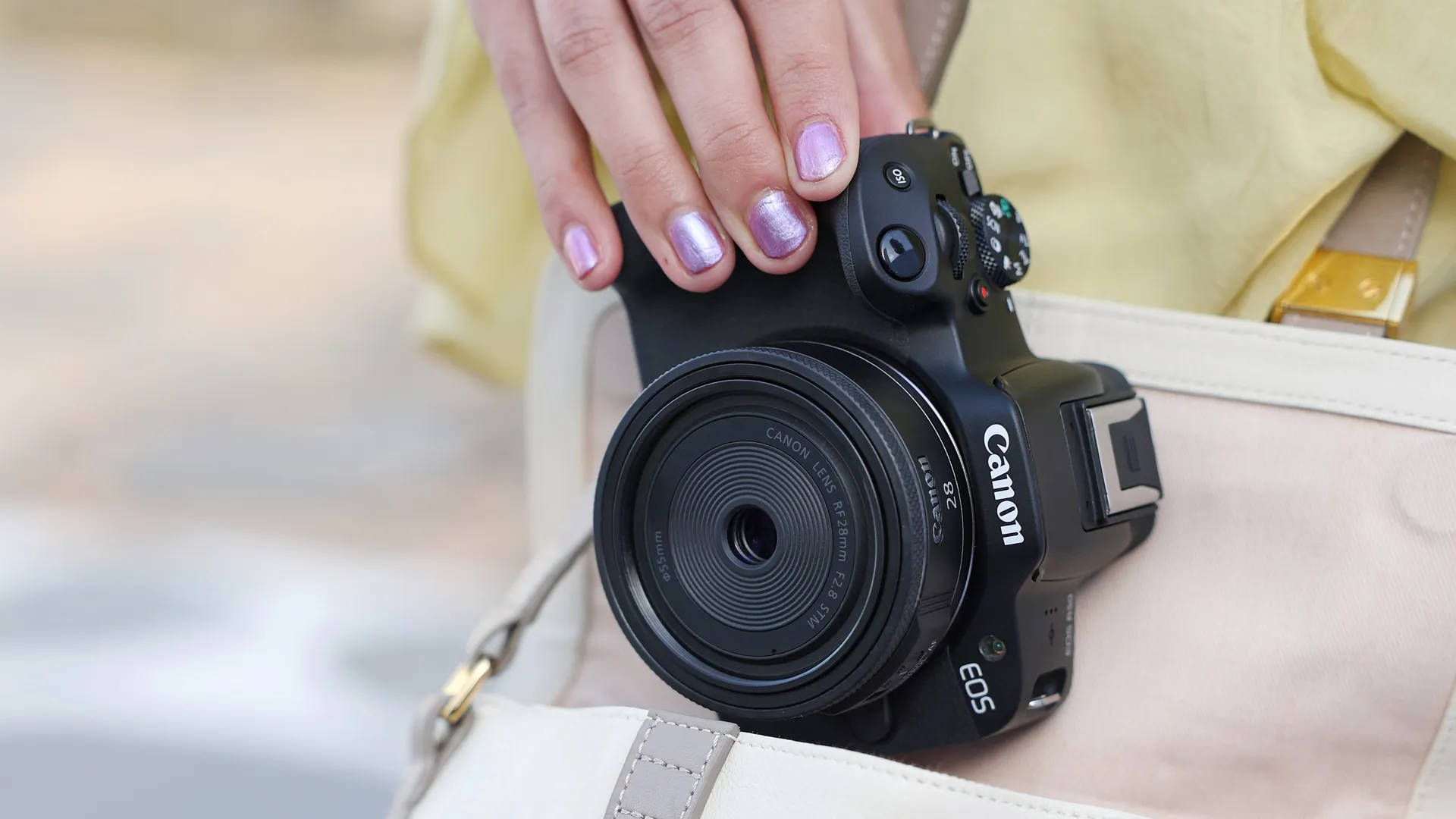
Shouldn’t camera manufacturers be (re)focusing on what the data indicates photographers currently want – such as cameras very much like the APS-C sensor-incorporating Canon EOS R50, Nikon Z50 II, Fujifilm X-T50, X-T30 III or Sony A6700?
Especially when Fujifilm has just this month singled out the X-T30 III, along with Instax, as a specific reason why its second quarter financial results for 2026 have been record-breaking.
Similarly, another standout commercial success has been Canon’s EOS R50. For most photographers, the quality that can be derived from an APS-C sensor is more than good enough.
It’s been said many times before, but not everyone needs either the hike in price that comes with a full-frame or medium format camera, nor wants the extra bulk that’s typically associated with it. Especially when you start adding equally expensive lenses to maximize the sensor’s potential.
Of course, which camera I choose depends on what I’m trying to achieve at that time. And a lot of the time, a smaller camera body is going to be more convenient. Therefore, I feel there’s a greater chance of me achieving a winning shot with an APS-C or even Micro Four Thirds camera, simply because I’m more likely to have that camera with me.
Now that, if we believe the industry data, the full-frame camera bubble appears to have burst, it makes sound business sense for camera manufacturers pump their resources into camera formats better weathering the stormy seas that the photo industry is presently navigating.
If that is APS-C or Micro Four Thirds mirrorless, especially with potentially new dynamic range-boosting LOFIC tech coming down the line, then I’m all for it.
You might also like…
Looking for small-but-mighty cameras? Take a look at the best Micro Four Thirds cameras along with the best compact cameras and best travel cameras.

