





There are plenty of smartphones that promise professional video capabilities, but there aren't many that can claim to have been developed alongside one of the most respected names in the film industry.
That's what makes Honor's partnership with ARRI particularly interesting, and having recently visited ARRI's studio in Los Angeles to get a firsthand look at the results, I think there might be something genuinely exciting here for mobile filmmakers.
The new Honor Magic 9 Pro Max is just the second product of the two companies' collaboration, which began with Honor's Robot Phone earlier this year. However, while the Robot Phone was a more unconventional concept that may or may not ever go on sale, the Magic 9 Pro Max brings ARRI's cinema technology to a mainstream flagship smartphone.

Bringing ARRI's cinema technology to a smartphone
The main focus of the collaboration is ARRI's Image Science, specifically the implementation of ARRI LogC3 and the company's established library of cinematic looks.
For anyone unfamiliar with ARRI, the company is responsible for some of the most respected cameras in professional filmmaking, including the ALEXA series, which has become a staple of high-end film and television production. ARRI's cameras are renowned for their image quality, dynamic range, and particularly their color science, which has helped establish a recognizable look across countless productions.
With the Magic 9 Pro Max, Honor isn't simply applying an ARRI-inspired filter to its footage. Instead, the company says it has worked with ARRI to reconstruct the phone's video-processing pipeline, tuning the imaging hardware and its dedicated Honor H1 imaging chip to produce footage that closely follows the same LogC3 curve used by ARRI's professional cinema cameras.

This could be huge. LogC3 is an established logarithmic image encoding system with an extensive ecosystem of color-grading tools and LUTs (Look-Up Tables) that filmmakers already use in professional workflows. Rather than introducing another proprietary Log profile, Honor is attempting to make its footage compatible with an existing industry-standard workflow.
One of my biggest frustrations with shooting Log video is that every manufacturer has its own interpretation of Log, which means I frequently have to tweak my existing LUTs or create new ones to get the colors looking how I want them, or to match footage from cameras.
With ARRI LogC3, there are already potentially hundreds or thousands of compatible LUTs and established workflows, making it considerably easier to incorporate the Magic 9 Pro Max into an existing video-editing setup.
That's the theory, at least. But how well does it actually work?
Putting Honor's ARRI cinema mode to the test
During my visit to ARRI's studio in Los Angeles, I had an opportunity to test the Magic 9 Pro Max's video capabilities and, more importantly, compare footage captured using its implementation of LogC3 with footage shot on a genuine ARRI cinema camera.
Honor has integrated ARRI's library of cinematic looks into the Magic 9 Pro Max, with up to 87 different downloadable looks (there are 14 pre-installed). These provide a selection of ready-made visual styles without having to grade from scratch in post-production.
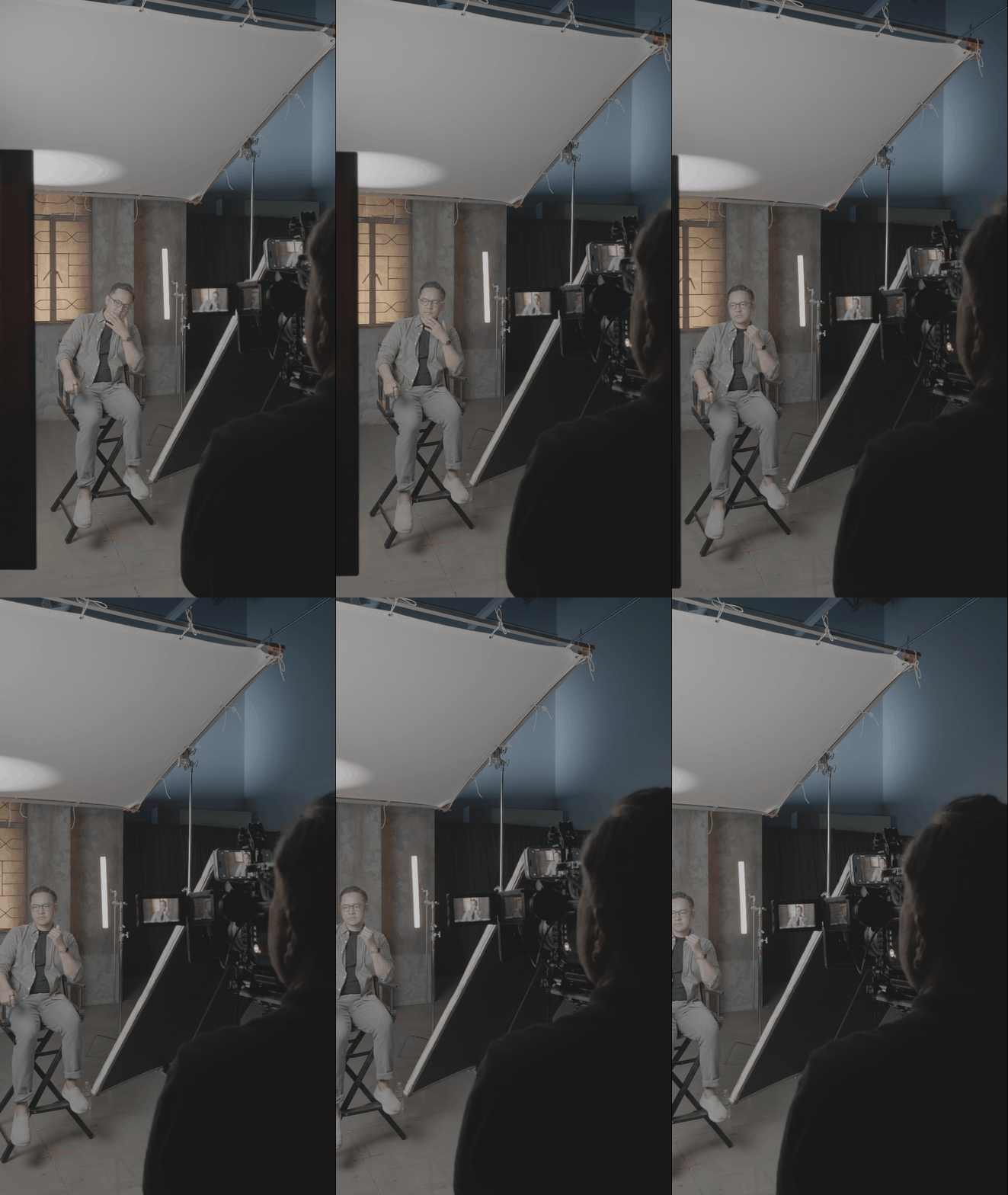
ARRI LOGC3
Image credit: Gareth Bevan / Digital Camera World
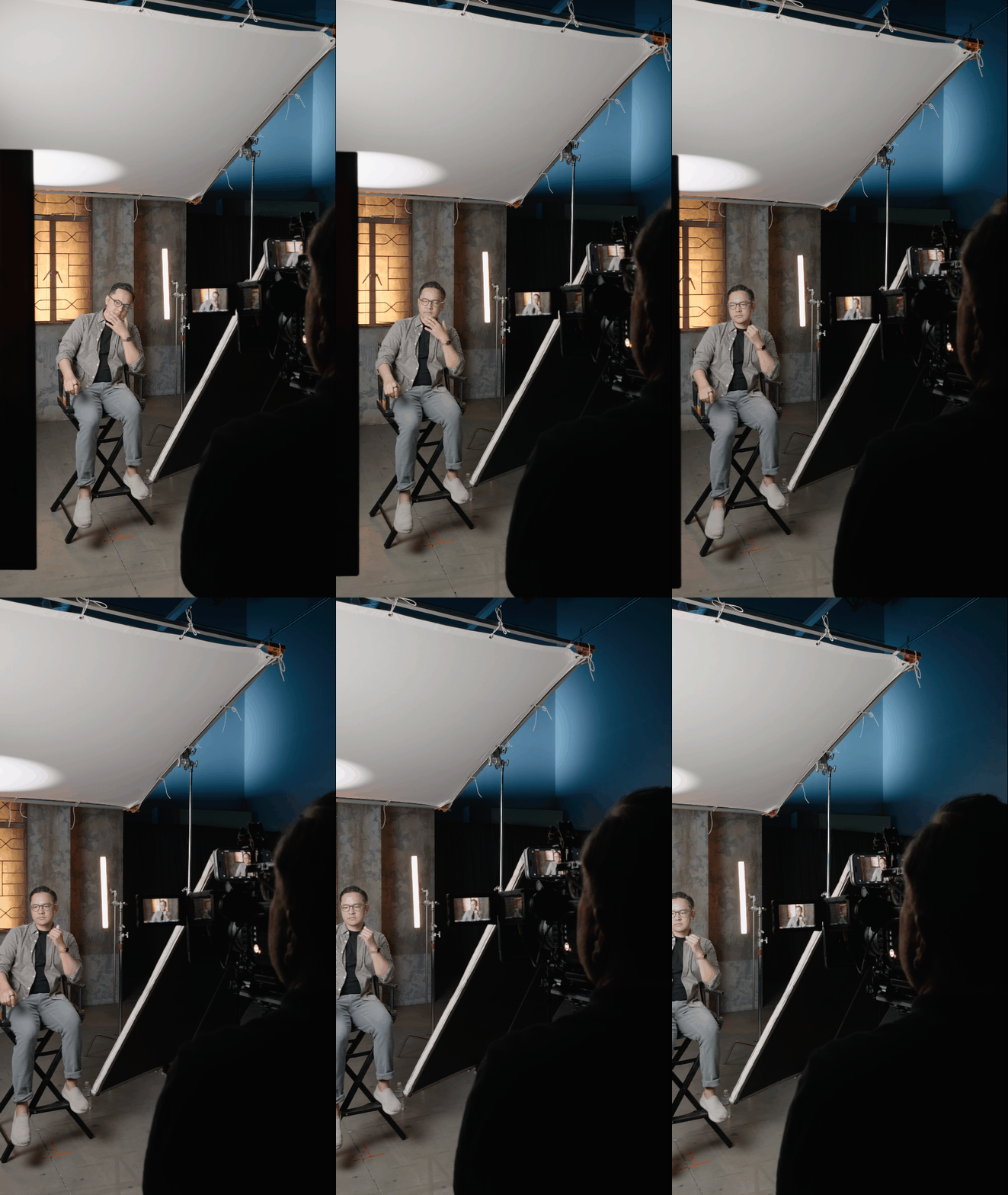
ARRI ALEXA LUT
Image credit: Gareth Bevan / Digital Camera World
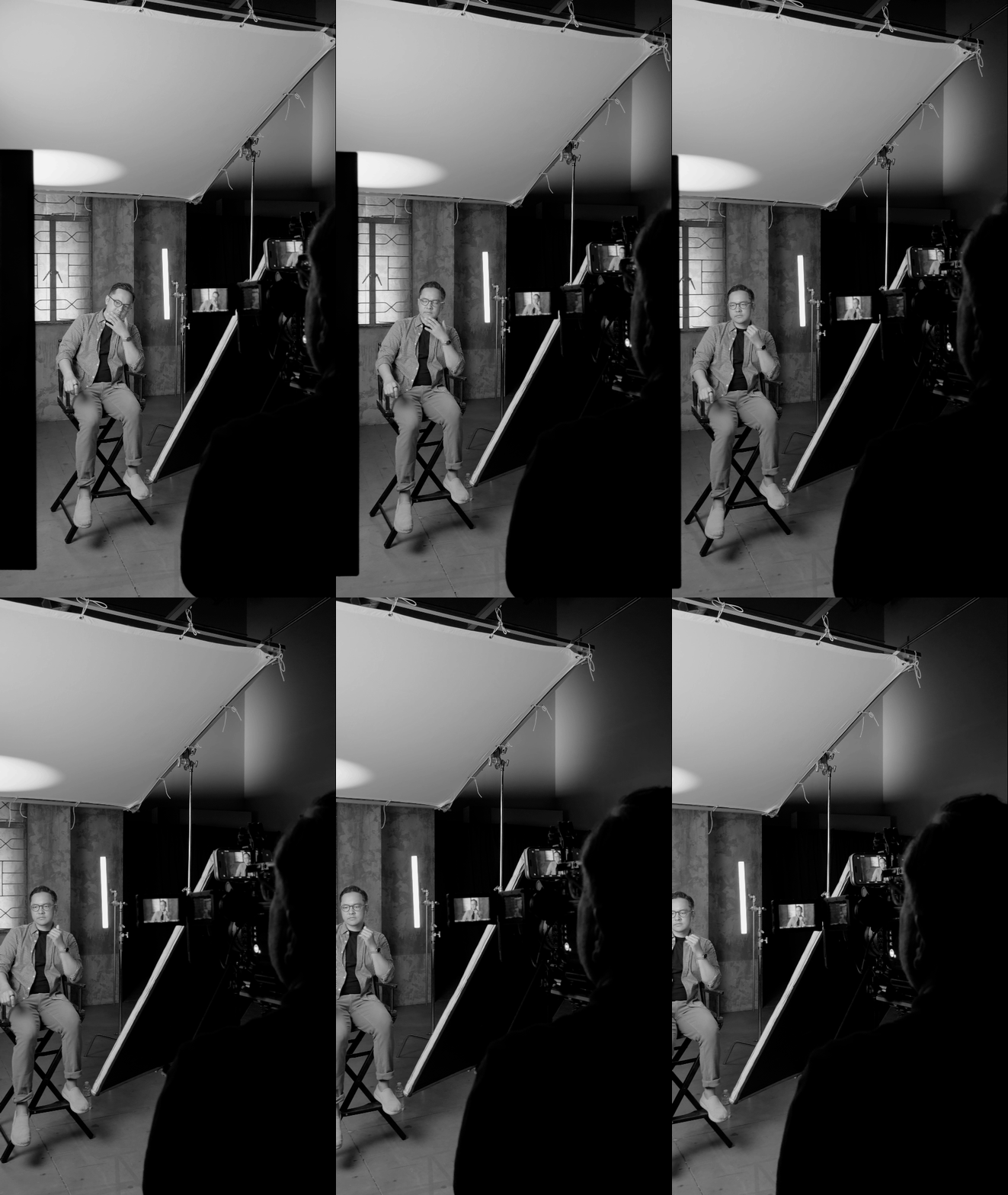
ARRI B&W LUT
Image credit: Gareth Bevan / Digital Camera World
It's also worth noting that you don't necessarily need to be interested in shooting Log footage and spending time color grading to benefit from the collaboration either, as you can bake ARRI’s looks straight into SDR or HDR video – and you have ready-to-share video straight out of camera.
I was particularly interested in how closely the two cameras could match in terms of color, comparing the ARRI ALEXA LUT to footage shot on the Honor and footage captured on an actual ARRI camera. And I was actually pretty surprised by how well the color reproduction transferred between the two cameras. The same overall palette carried across both sets of footage, with the Honor producing colors that looked very close to those from the ALEXA camera.
This is particularly impressive considering just how different the cameras are. Obviously, the ALEXA has a significant advantage when it comes to overall image quality, with its much larger sensor and professional cinema lenses, and the Honor footage still showed the compression and processing characteristics you'd expect from a smartphone. But when it came to the actual color rendering, the results were surprisingly close.


Also, something I've criticized Honor's phones for many times before in my reviews of the company's previous models is that I've consistently found Honor's camera processing a little too aggressive for my tastes, producing video that can look overly sharpened or enhanced.
Thankfully, at least in ARRI Cinema Mode, Honor seems to dial much of that processing back, producing footage that looks considerably more understated and natural. The result is an image that, to my eyes, feels much closer to something captured on a dedicated camera.


Honor has also made some ambitious claims about its "gimbal-level stabilization".
The optical image stabilization is very good, and the enhanced electronic stabilization is impressively smooth; panning and walking on the main camera look remarkably solid. However, I wouldn't quite compare it to using a decent gimbal with a physical tilt and roll axis, but for the kind of quick, spontaneous filming that smartphones are particularly good at, this could be extremely useful.
And as ever, there is a trade-off, as the electronic stabilization introduces a noticeable crop to the footage, so you are sacrificing some of the original framing in exchange for that additional smoothness.
Is this the future of smartphone filmmaking?
What makes the Honor and ARRI partnership interesting to me isn't necessarily the idea of phones replacing professional cameras, because I don't think that's particularly realistic. Instead, it's the idea that smartphones could become more useful as tools within established video workflows.
Color grading is a significant part of pro filmmaking, and having footage from different cameras that can be matched relatively easily is a huge benefit. By adopting ARRI LogC3 rather than creating another proprietary smartphone Log profile, Honor has potentially removed one of the frustrations of combining phone footage with material from dedicated cameras.
There are still obvious limitations to shooting video on a smartphone, and the Honor doesn't magically overcome the physical advantages of a much larger camera and lens system. But the image quality looks promising, the stabilization is excellent, and the ARRI color science appears to be a genuinely useful addition rather than simply another marketing gimmick.
It's also important to remember that these are my initial impressions from a relatively limited opportunity to test the camera, rather than the results of an extended review (which will be coming in the next few weeks). I'll be interested to see how consistently the video performs across a wider range of shooting conditions, as well as testing the Magic 9 Pro Max for photography – so stay tuned.

You might also like...
Check out more of the best phones for video recording and vlogging and the best camera phones

