




APS-C vs full-frame is a tale as old as time, and as a photography journalist, I’m definitely guilty of stoking the flames. But recently, I watched a YouTube video from a fantastic creator called Cam Mackey, and he simplified the whole debate into two words that have stuck in my mind ever since: “different looks”.
On a shoot where he was comparing the Leica M11 and Fujifilm X100VI, he talked about the different formats. Granted, he did acknowledge that there’s a big difference between the two, stating: “people out there that say: “Oh, full-frame vs crop sensor, it doesn’t matter,”” agreeing that in some cases it doesn’t, before continuing, “But those same people will also say: “Oh, medium format’s superior to full-frame””.
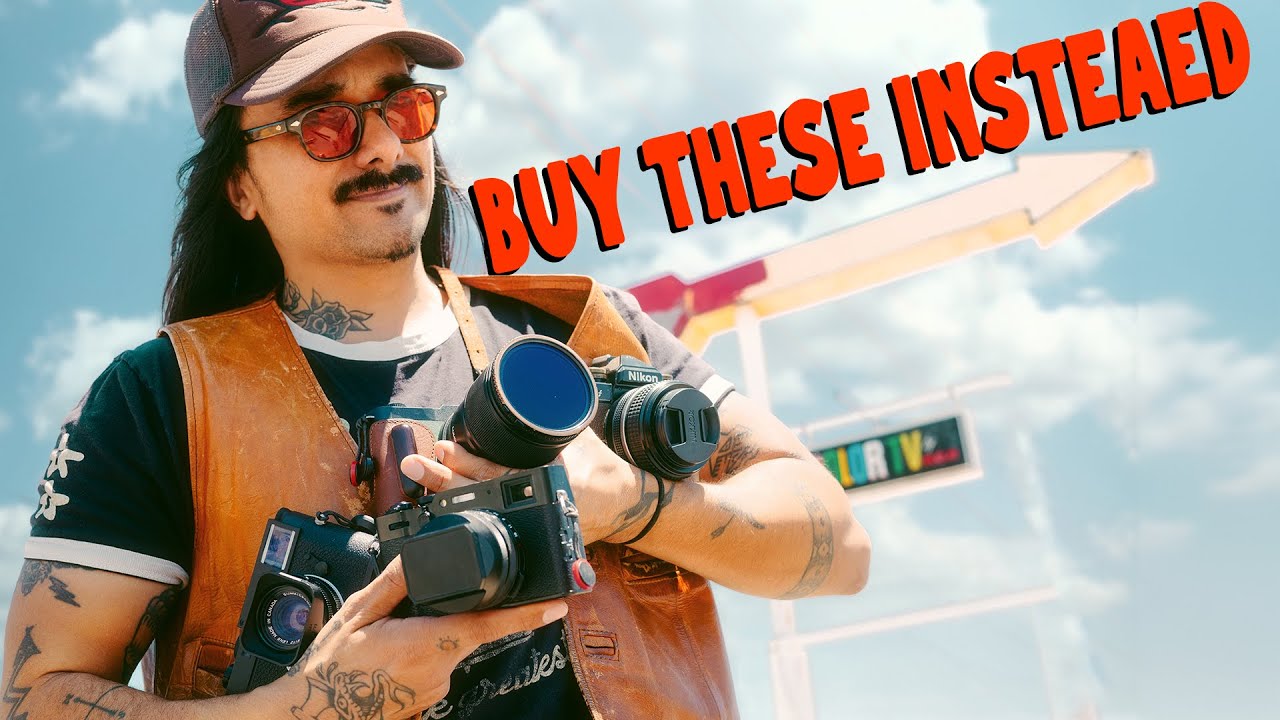
And as a predominantly full-frame photographer, I’ve definitely heard that argument time and again. But here’s the real thing I took away from the video: “So, you definitely get different looks, and you get different image quality, and you get a whole different feel from each sensor size.”
I absolutely love this sentiment. It’s such a simple way to think about sensor size, but creatively, it’s a healthier way than simply dismissing one or the other as better or worse. After all, they do supply you with different looks and different advantages. That’s why different sensor sizes exist – variety is the spice of life!
APS-C vs full-frame

The biggest difference between an APS-C image and a full-frame image is the crop factor. If both images are shot with the same lens, in the same position, with the same exposure settings, the APS-C image will appear zoomed in. If you cropped the full-frame image down to the exact composition of the APS-C image, it will look identical.
A big difference you usually hear people talk about is that full-frame cameras will give you a shallower depth of field and APS-C cameras will compress the image. But technically, an APS-C camera doesn’t produce a larger depth of field, nor does it produce more compression. The perceived difference is simply due to the crop factor.

Use the same lens on both bodies, and you’ll have to get closer to the subject with the full-frame camera, producing a shallower depth of field. And due to the cropped field of view on the APS-C camera, the image might look more compressed at a glance, but if you cropped a full-frame version of that image to the size of the APS-C image, the compression would look identical.
Another point that I often think about is that a lot of full-frame photographers heavily crop their images. But if you know a photographer uses a full-frame camera, you never question it. Ultimately, there’s no doubting that there’s a different quality to a medium format image, a full-frame image, and a crop-sensor image, but at the end of the day, there are way too many variables to simply crown one better than the other. It’s kind of like ranking the greatest bands of all time: everyone has a different taste in music, even if it's definitely Queen. I digress...
Different cameras for different purposes

There’s a reason why so many photographers end up having multiple cameras with multiple sensor sizes, and that’s because they’re different tools that excel at different applications. A lot of street photographers favor crop-sensor cameras, and a lot of professional portrait photographers favor medium format or full-frame cameras.
In recent years, APS-C has become more and more popular. A lot of this is down to Fujifilm’s excellent selection of X-series cameras. APS-C is also the choice of format for a lot of very popular Instagram photographers, especially those who capture street or travel photography.
So, if you’re choosing between an APS-C and full-frame camera or feel you need to ‘upgrade’ to a full-frame camera, think to yourself: you can still capture incredible imagery on both. At the end of the day, you’re getting “different looks”.
You might also like...
Check out the best Fujifilm cameras and the best mirrorless cameras. Plus, here's the latest camera news.

