
Professional motorsport filmmaker Mark Urban has released a YouTube video titled “Vertical video is driving me INSANE” – and I can relate to his frustration wholeheartedly.
As an avid sports photographer, I’ve always hated Instagram’s pivot to vertical content. If you’re a portrait photographer, it’s no big deal. If you’re a travel, wildlife, street or landscape photographer, it’s not ideal, but workable.
If you’re a sports photographer or videographer, though, it’s downright awful.
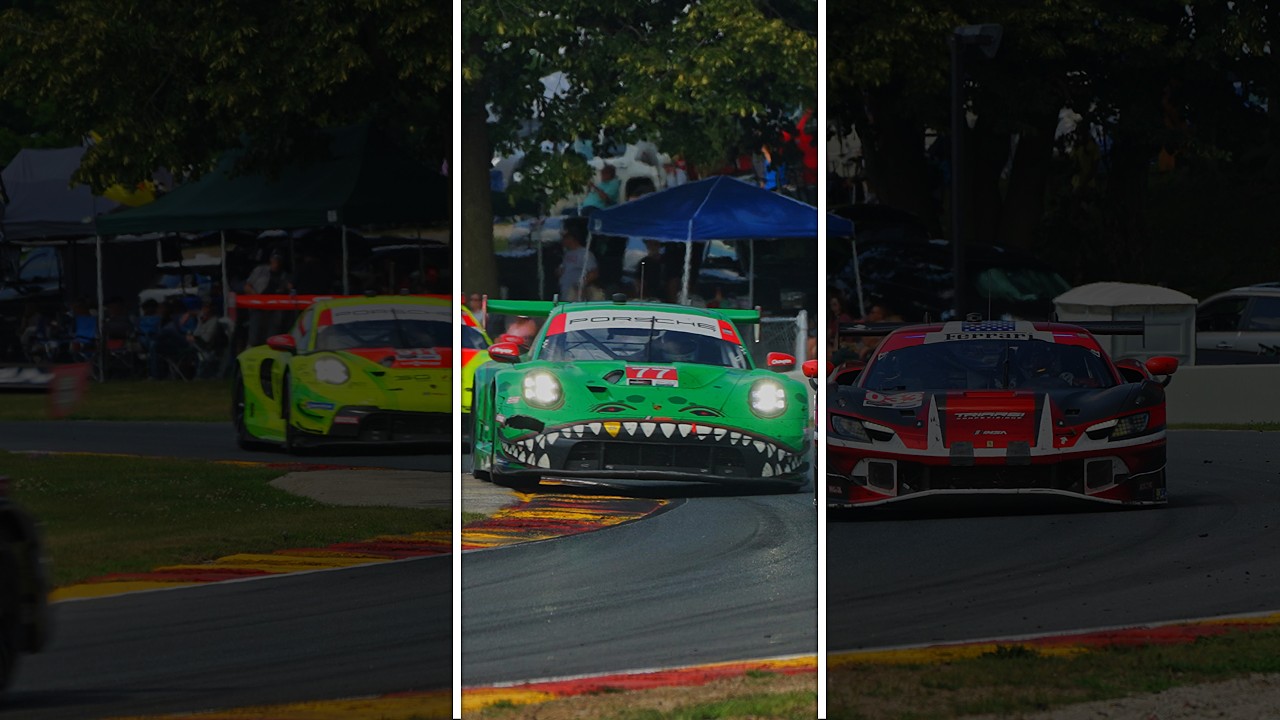
ABOVE: Watch why vertical video is insanity-inducing
Sports compositions often require width, whether it be a subject moving across the frame or the action occupying a rectangular portion of the frame.
Active space is a core fundamental of sports composition, whereby the photographer leaves a portion of space in front of the subject to help convey its direction of travel. This could be a race car zooming around a corner, a soccer player running with the ball or a baseball batter smashing a homer.
And that’s before you consider naturally elongated subjects such as a hockey player reaching the stick out towards the puck, a long and slender F1 car or an outstretched football player flying over the touchline.
Videographers like Mark face a similar nightmare, but it’s arguably worse. A photographer can simply capture a high-resolution RAW file in a landscape orientation and easily crop to a vertical format. But for a videographer who’s capturing a moving image and working with less resolution, it’s not that simple.
However, Mark’s biggest problem isn’t resolution – it’s composition.
Composing for nothing
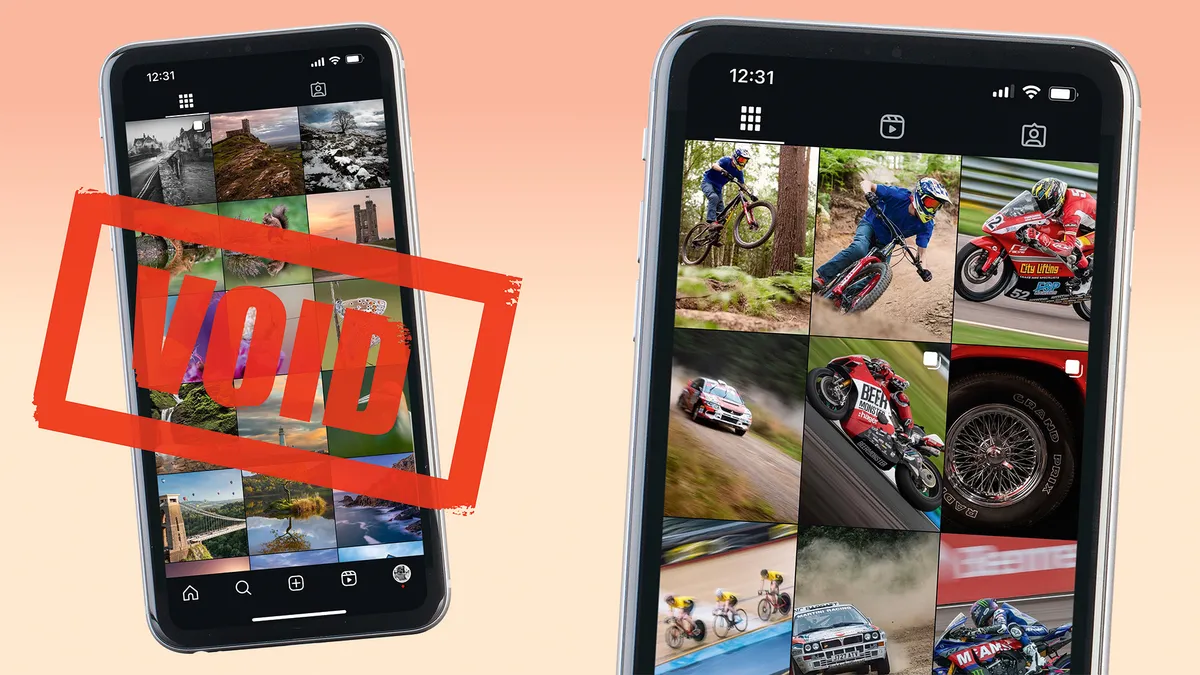
As Mark explains, many clients want vertical and horizontal video, meaning physically shooting vertical isn’t an option. The solution is to shoot horizontally and crop, but this is where Mark comes up with a genius point:
“If you’re composing for two aspect ratios, you’re really composing for nothing.” His point is that by trying to have your cake and eat it, one of the aspect ratios will always suffer.
He then addresses open gate cameras, considered by many to be the definitive solution to multi-aspect-ratio woes. But his point still stands. Open gate video addresses issues with resolution, but it does nothing to fix issues with composition.
Make sure you watch the full video to find out why Mark thinks one aspect ratio will always suffer – and whether or not he’s come up with a solution.
You might also like...
Check out the best cameras for sports photography and the best lenses for sports photography. Plus, here's the latest camera news.

