




Say what you will about the camera phone, but it’s forever changed the way people look at photography. Years of simply pointing, tapping a screen and letting computational photography do all the legwork has imbued a good portion of the population with the belief that photography is easy.
Modern photographers are caught between a rock and a hard place. If one rando isn’t asking you why you don’t just use a phone, another is telling you how much harder it was in the film days… I’ll happily bow down to a pro film photographer, because taking a good photo on an SLR film camera is objectively harder. But photography isn't just about operating a camera...
Accessibility vs difficulty

First off, I think there’s a tendency to confuse accessibility with difficulty. We moan about rising prices, but we still live during a period where quality tech is comparatively cheap. And unlike film, digital photographers don’t have to weigh up film and development costs. You don’t need to pay for tuition or resources, either. It’s all out there on YouTube and the web.
Photography now requires significantly less running costs and you can learn as much information as you’re willing to take and practice as much as you like. I’m therefore certain that there are more pro-level photographers than ever before. And all of this has resulted in higher expectations.
Great expectations
I’m not going to sit here and say that modern photographers take better images than the photographers of yore, because I don’t believe that for one moment. But what I do believe is that technical expectations have risen. Go back and look at wedding photos that were shot on film. They simply will not be as consistently exposed, sharp and well-composed as a modern wedding portfolio. I’m not saying they’re better or worse, but digital wedding photographers are expected to operate at a higher standard.
Granted, this is largely due to advancements in tech. Modern exposure and autofocus algorithms have made it harder for photographers to under- or overexpose and miss focus. But this has raised the bar to an, at times, impossible level. The demand for technically perfect photographs has never been higher. You only need to take a cursory glance at competition winners or Instagram to know that the bar is at an all-time high. Arguably too high at times.
But some expectations have gone beyond what’s possible. Instagram has raised the bar so high that I’ve heard some photographers talk about unrealistic expectations from clients. Suffice to say, wedding photographs taken in a registry office on a wet and windy day in Hull are never going to look like your favorite influencer’s Barbados beachside wedding photos...
The rise of AI

The emergence of generative AI is already having a huge impact on photographers. Similar to my last point, it’s also breeding unrealistic expectations as clients struggle to gauge the boundary between realistic photography and impossible AI fabrication.
GenAI is also taking chunks out of an already depleted creative industry. Professionals are finding themselves caught between staying true to their craft or embracing the new AI normal. Fighting tooth and nail to keep clients by working harder, working for less, and going above and beyond.
But there’s a less-talked-about problem that’s happening on the flip side. AI has caused a cynicism surrounding photography, the likes of which we haven’t seen since the popularisation of photo editing software. Photographers don’t just have to compete with AI; they have to defend their work from AI accusations. By that I mean people questioning the validity of their work. If a photographer captures a particularly amazing photo, it will often be met with comments questioning its authenticity.
Increased output (and video)

It’s not just visual expectations that have risen. Photographers are now expected to deliver more. Instagram photographers need to post regularly to appease the algorithm and professionals are often expected to deliver hundreds of images to clients. Modern wedding photographers are offering packages with well over 500 images. That simply wasn’t the case in the film days. And that’s hundreds of images that have to be edited, prepared and sometimes printed for delivery.
And then there’s video. In many cases, it’s no longer good enough to be ‘just a photographer’. Plenty of professionals have turned to video to bolster their client base, diversify their work, and appease influencer-led expectations. That means more investment in time and kit, and that’s before you consider self-promotion.
An advert in the local newspaper won’t cut it anymore. Photographers have to promote themselves online. That means managing social media platforms, and building and maintaining a website. Social media in particular is a huge time sink. As if photographers don’t have enough to do, many are filming behind-the-scenes videos as they work.
A hypercritical world
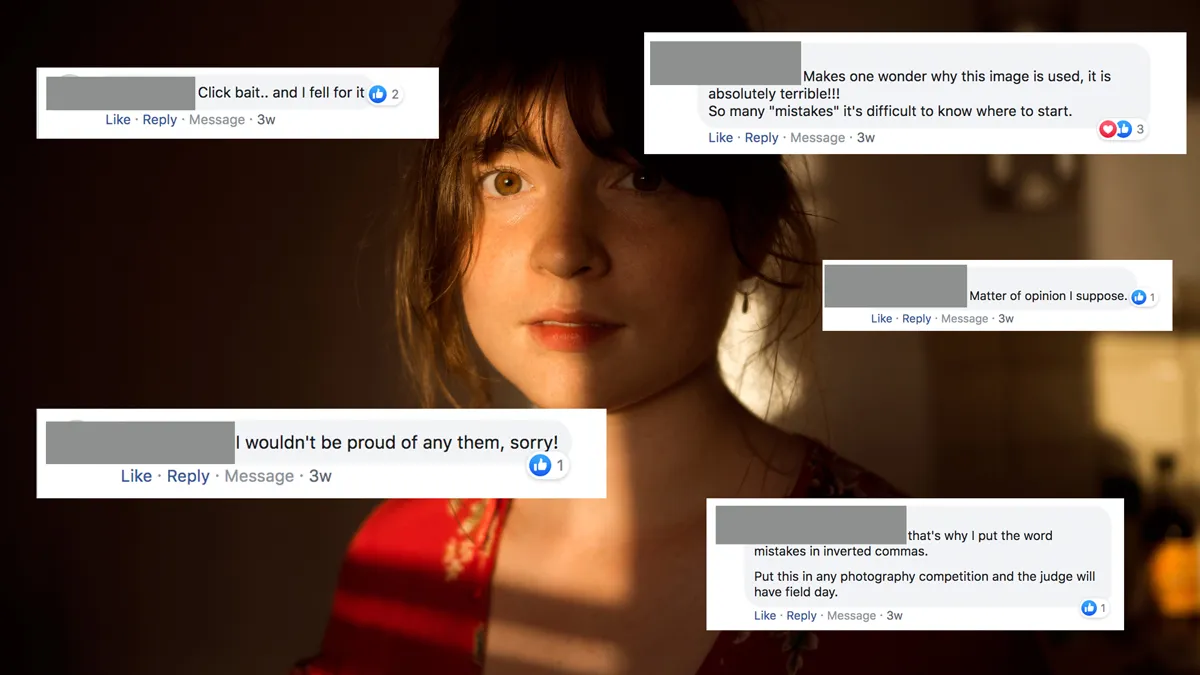
I’m going to sound like a right snob when I say this, but people who are not photographers often have no idea what a good photograph is. It makes sense if you think about it. Learning the craft is essential in understanding what is and isn’t good. Don’t get me wrong, anyone can look at an incredible photograph taken by a landscape photographer and say it’s good. It’s the other end of the spectrum that tends to be the problem. This is why, as you progress as a photographer, images you once thought were amazing start to pale in comparison to your later work.
You could argue this has always been the case. But in the film days, photography was seen as much more of a skill. The oversaturation of cameras and photography has diluted that considerably. As such, people’s appreciation of photography is at an all-time low. We live in a hypercritical world anyway, so photographers are subjected to much more abuse and non-constructive criticism than ever before, too.
Ever-changing trends
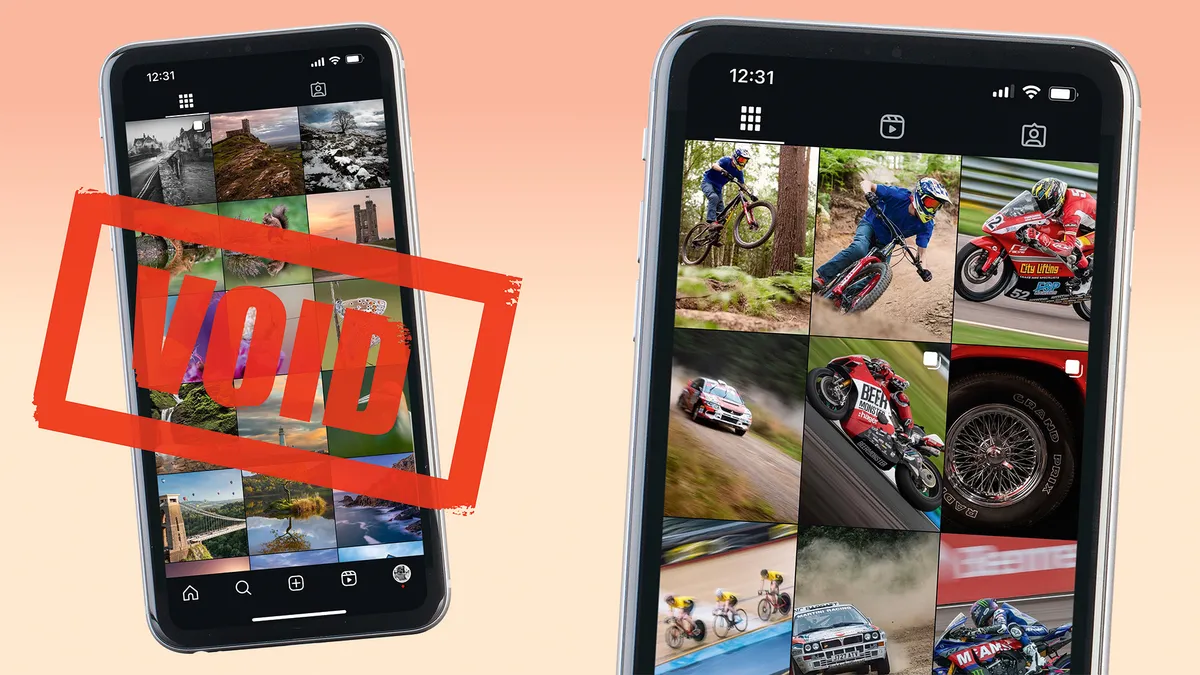
The online world moves fast, and photography is no different. Editing styles are constantly going in and out of fashion, but the biggest aesthetic photography and video ‘trend’ to emerge over the past few years has been the rise and rise of vertical video.
This has changed the game completely. Instagram has famously pivoted to vertical media, meaning photographers and videographers are caught between a rock and a hard place. Commit fully to the limiting properties of vertical imagery or frantically try to capture both. I recently covered this in more detail by reporting on a video made by a sports videographer who explained: “Vertical video is driving me INSANE”.
So there you have it. The process of capturing a photo might have gotten easier, but being a photographer has never been more complicated. Do you agree? Can you think of more reasons why photography is challenging in 2026? Let me know your thoughts in the comments below.
You might also like...
Want more of my ramblings? Nikon rumor claims “almost everything” is delayed, but I don’t think this is cause for concern. Nikon never bothered to support the Nikon Zf and Zfc with retro-cool lenses, but thanks to Voigtlander it doesn’t need to. Some call it soft, I call it dreamy: Why Nolan’s The Odyssey was a focus puller’s nightmare.

