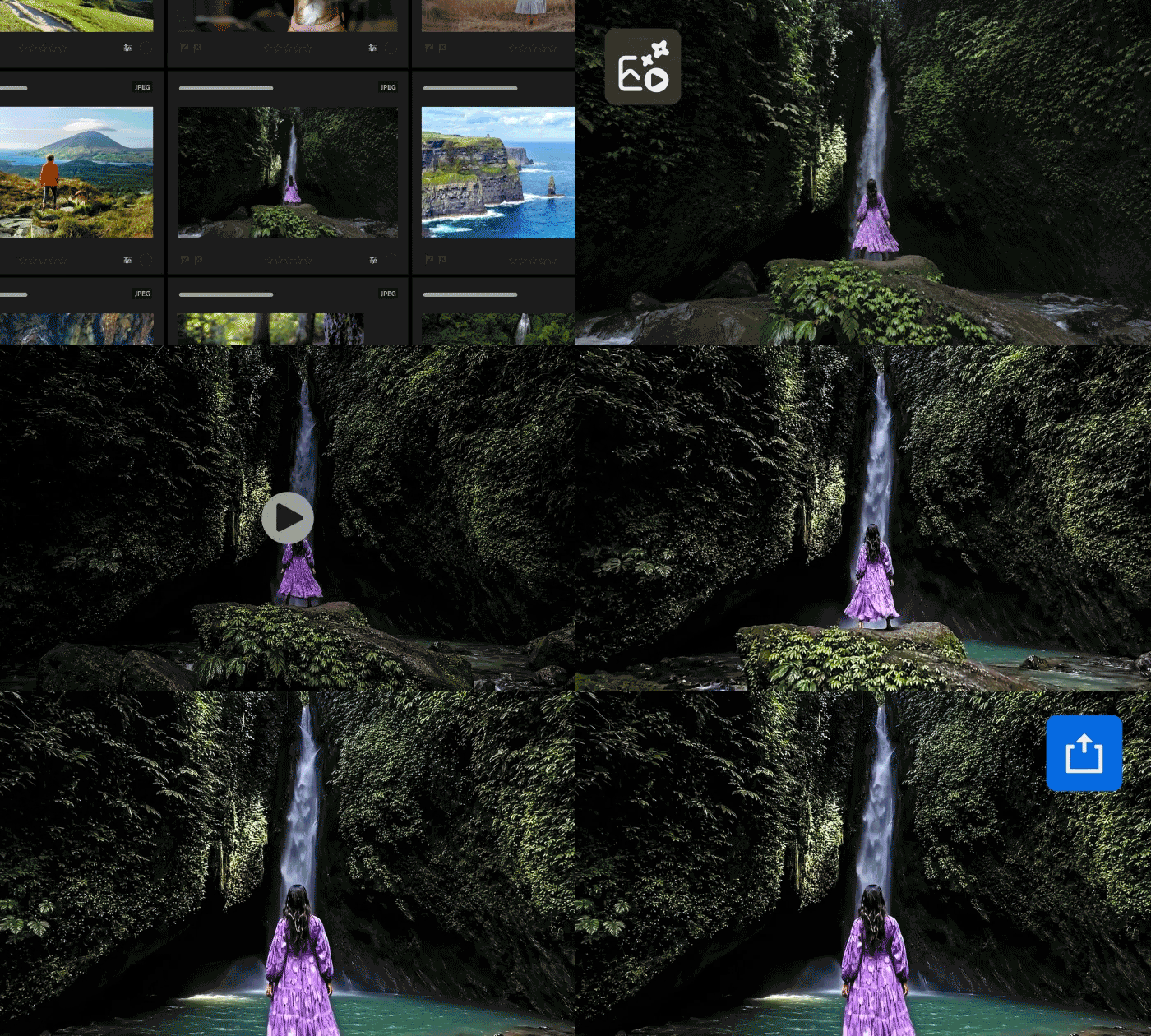
Adobe Lightroom can now turn photos into videos using generative AI. The feature, coming as part of a long list in the June 2026 update, gives photographers who forgot to capture video an option to generate B-roll-like footage. However, the tool is only the second Lightroom tool to require generative credits – and the first native Adobe tool in Lightroom to use the credit system.
The update is part of a long list of Creative Cloud June 2026 updates across Lightroom and Photoshop, as well as video tools Premiere and After Effects. Among the photo features, Lightroom’s assisted culling leaves beta, and Photoshop gains the reflection removal tool from Adobe Camera RAW.
Lightroom desktop: generate video from photos
Inside Lightroom on desktop devices, the new Generate Video option will generate an AI video using either Adobe Firefly or Google Veo, using the photo as a starting point. The option is located by navigating to the top menu and selecting Photo, then Generate Video.
That brings up a pop-up that suggests a prompt like “add subtle motion” or “slow pan,” as well as a text field for typing a custom prompt. A drop-down menu allows users to choose from a four, six, or eight-second video.
While Generate Video is far from the first generative AI tool to come to Lightroom, the update is only the second Lightroom feature to use generative credits and the first native Adobe tool to do so. Previously, only the Topaz Gigapixel Generative Upscale used Generative Credits inside Lightroom; Adobe tools like Generative Remove do not currently consume credits in Lightroom.
Some generative credits are included with certain subscriptions, but after that requires purchasing additional credits. The Creative Cloud Photography Plan 20GB includes 100 credits a month, the Lightroom Plan 250, and the 1TB photography plan 1,000 credits a month.
The pop-up generative video box will show creators how many credits the process will consume and what the remaining balance is. That credit amount changes as the different options are adjusted – shorter videos, for example, will consume fewer credits.
Lightroom Classic and Lightroom: Assisted Culling
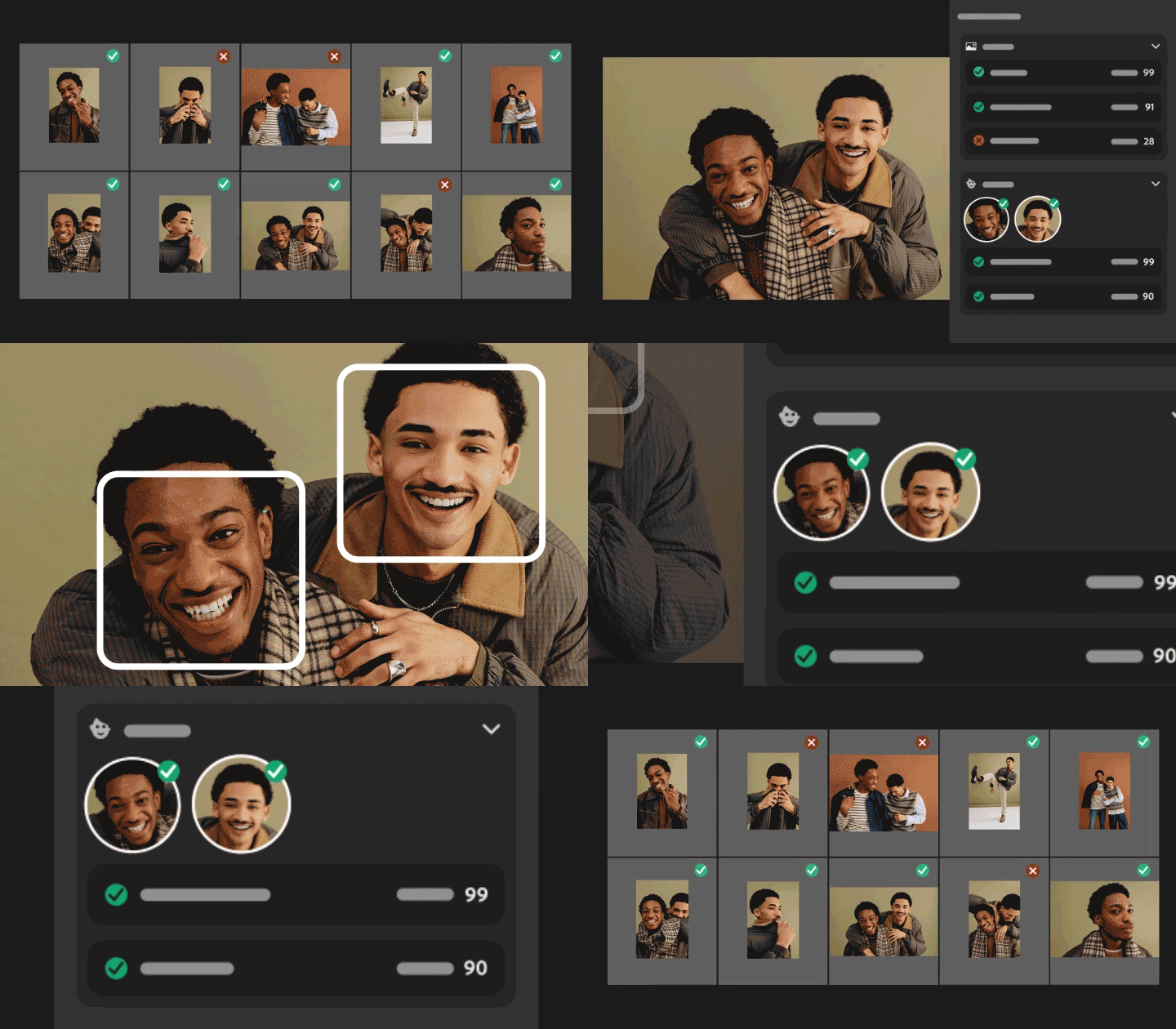
Lightroom previously gained Assisted Culling, a beta tool that helps photographers weed out the bad shots with tools like checking for focus and ensuring that both eyes are open. Now, that feature is migrating out of Early Access, which is Adobe’s term for a beta feature. The feature is rolling out to both Lightroom and Lightroom Classic.
The Assisted Culling tool will also now recognize faces and give each face a score as to whether or not the eyes are open and sharply focused, a tool designed to help go through photos with more than one person.
The update also offers more filters to give photographers more control over how they want the photos sorted and how strict the culling process is.
The Library module in Lightroom Classic will also allow users to filter photos that use generative AI or need AI settings to be updated, similar to the program’s ability to sort photos by things like shutter speed or what camera took the photo.
Select Subject has improved with a detail slider, which allows creators to refine the masks’ edges to improve accuracy around fine details like hair.
Lightroom updates also include AI sharpening using Topaz Labs’ Noise Aware and support for RAW files from the Sony A7R VI.
Adobe Photoshop: Reflection Removal

Adobe’s reflection removal tool from Adobe Camera RAW is now moving into Photoshop territory. Like the feature in ACR, the AI-based tool detects and removes reflections in photos shot through glass.
Unlike in ACR, Photoshop’s version of Reflection Removal will make the adjustment as a layer, allowing creators to go back and fine-tune later on, which creates a non-destructive edit.

Photoshop’s Remove Tool can now use on-device generative AI, allowing the tool to work without an internet connection.
The updates rolled out on June 15 across Adobe’s photo tools, alongside updates to Premiere, After Effects, and Illustrator.
You may also like...
Browse the best photo editing apps. Or, take a look at the best Photoshop alternatives or Lightroom alternatives.

