
historically beenThere’s a new trend in camera design that I can’t help but love: Colors. I’m not talking about the color science of the photos themselves, but rather the color of the camera.
While consumer cameras often come in a rainbow of different colors, finding a professional camera in a color other than black or silver has always seemed far less common, at least not without getting a limited edition. Black may still be the go-to color for mirrorless cameras, but I’ve been seeing an increasing number of bodies that are available in more than just one color.
Cameras like the Panasonic Lumix S9, the Nikon Z fc and the Nikon Zf are available with several different color wraps. Some cameras, like Canon EOS R50 and Sony ZV-E10, are available in both black and white. And, thanks to the retro camera trend, there are a number of camera bodies that come in both black and silver. (I’m looking at you, Fujifilm.)
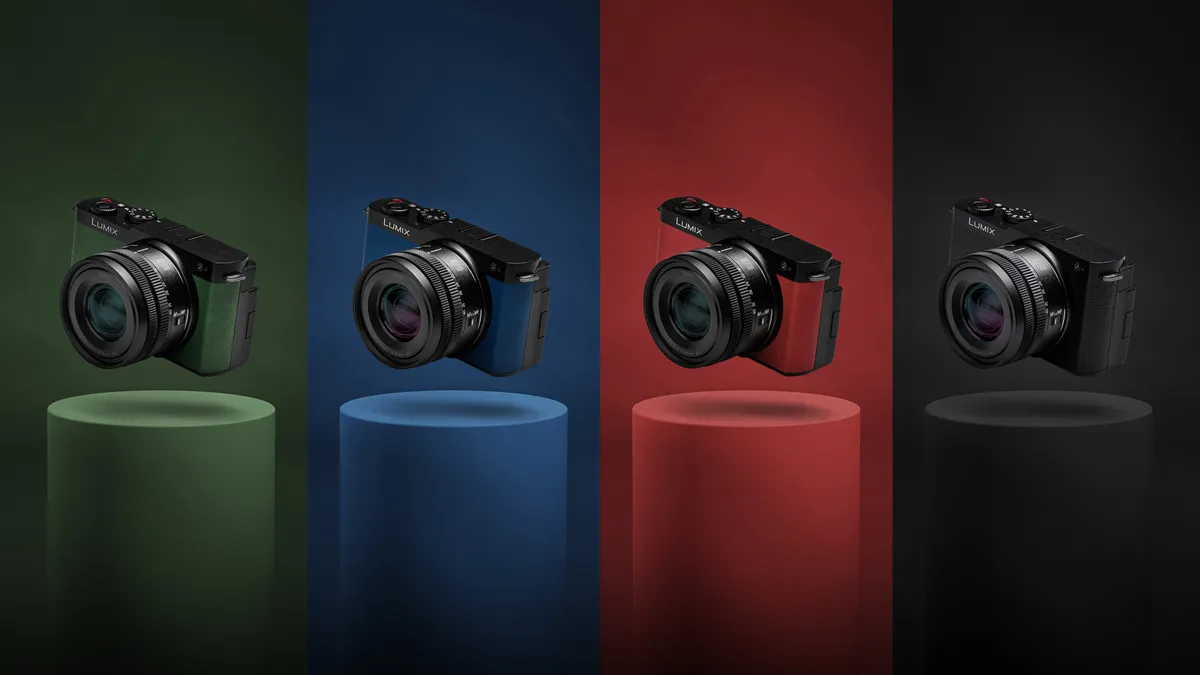
Those color options aren’t even special editions, which has been historically how photographers have gotten their hands on more colorful cameras.
I love this trend – why can’t the tools that we use to create art look like works of art themselves? Special Edition cameras have been historically how photographers have gotten their hands on a more colorful camera, but I love that colorful cameras that seem to be moving beyond short term editions.

But, as much as I love the colorful camera trend, the go-to black and silver cameras still seem to be the easiest for photographers to get their hands on. Some colors cost more than the standard black, which is true even among the colors that aren’t limited edition runs. The teal blue and silver Nikon Zf that I love, for example, cost $100 more in the US than the black-wrapped body. (The price is the same among the different colors in the UK, though easier to find directly from Nikon).
Which brings me to another point – sometimes the available colors differ depending on where you live. The available colors for the Panasonic Lumix S9, for example, varies whether you live in the UK or the US. The special edition Titanium Black, for example, has launched in the UK but not in the US.

The color of a camera body is more than a cosmetic choice. As a wedding photographer, I have to have two camera bodies in case something happens to one. I have both a black and a silver X-T4 body not becuase I couldn’t decide which one I like more, but becuase I can easily differentiate between the two. When I needed to get a shutter repaired, it was easy to remember which body needed to be sent in.
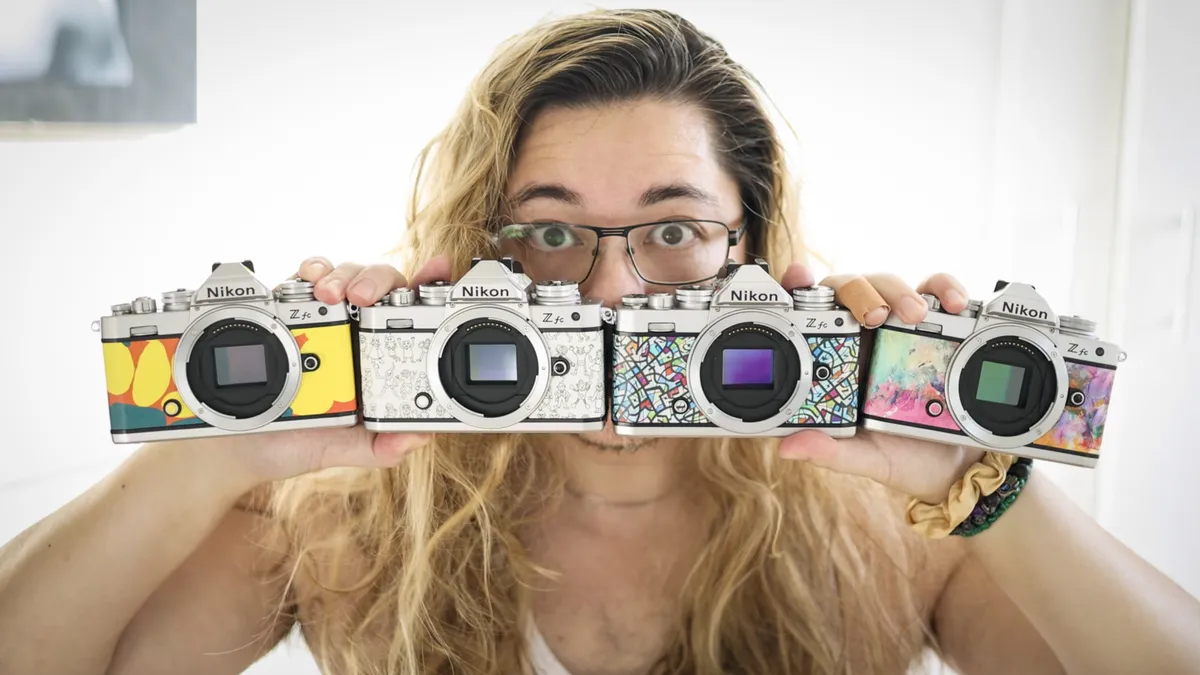
Cameras haven’t always defaulted to black – but black is an important color in photography. Black absorbs light. The inside of a camera lens is black to prevent reflections that would appear as ghosting and flare in images. And, if you are taking photos of something shiny, a black camera is easier to hide in the reflections.
Historically, cameras have been made from a number of different materials, and the bodies weren’t always painted black. Brass camera bodies were common between the 1950s and 1970s, though once brands like Leica (arguably the king of special editions) introduced painted brass, the way the paint wore out to show the brass underneath created a wonderful patina.
You may also like
Browse the best mirrorless cameras or the best compact cameras.

