





It seems like only yesterday that the iPhone 17 dropped, but we're already getting rumors about the camera set-up in next year's iPhone 18. The latest tip suggests that Apple's next flagship iPhone could feature a variable aperture lens for its primary camera module. This speculation isn't actually new - it was previously suggested by the prevalent industry analyst Ming-Chi Kuo - but the rumor has been given more credibility by a recent confirmatory report originating from Apple's supply chain.

In the current climate where phone manufacturers often prefer AI image processing improvements over camera hardware upgrades, the news that Apple could be developing a new lens for its next iPhone seems welcome. However, I remain to be convinced that such a feature will have a noticeable improvement to camera usability or image quality.
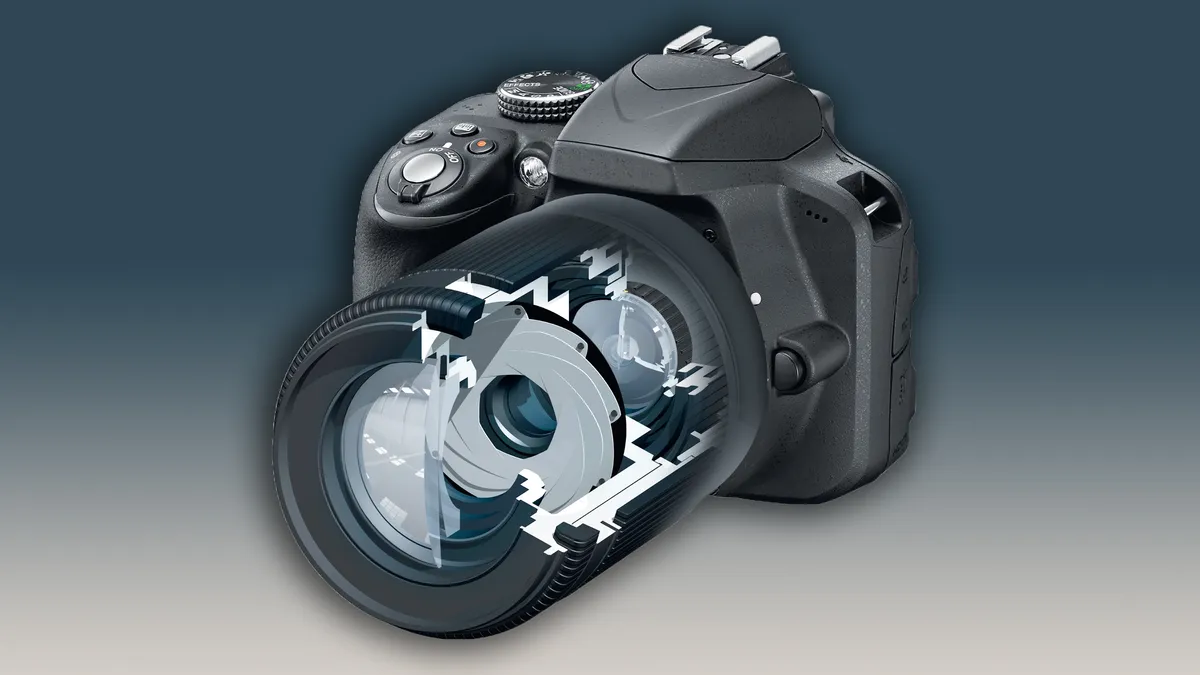
A variable lens aperture is essential in a lens designed for a conventional, large-sensor camera like a full-frame DSLR or mirrorless body. This is because the larger the sensor, the shallower the depth of field at a given aperture. With a full-frame camera, if you want a subject close to the camera and a more distant background to both be in focus, you'll need to significantly reduce the lens aperture. But shrink the sensor down to 1/1.28" - the size of the sensor in the iPhone 17 Pro's primary camera - and, even at the module's native f/1.8 aperture, there'll still be a huge depth of field.

As background detail is almost always clearly visible behind a subject snapped by a camera phone, we've seen the implementation of portrait modes which use software processing to artificially blur background. The aim here is to emulate the shallow depth of field effect you 'naturally' get from a large-sensor camera/wide-aperture lens combination.

So if a camera phone is inherently good at producing a deep depth of field, there's little reason for having a lens with a variable lens aperture. You may as well fix the aperture to be as large as possible to get the maximum amount of light through to the sensor, thereby keeping shutter speeds high and ISO sensitivity low - the ideal recipe for sharp, low-noise shots. Having a variable aperture lens sounds impressive, but the benefits are few and far between when it comes to real world use in a camera phone.
Story credit: Electronic Times

