




Street photography has long been at the fringes of both art and documentary, a genre born from chance encounters and the decisive moment that can’t be replicated or rehearsed.
At its best, it captures the texture of public life – the tentative glances, the accidental symmetry, the humour and sorrow that unfold when no one knows a shutter is about to click.
Defined by photographers and historians as candid, unmediated glimpses of life in public spaces, street photography resists neat categorisation but thrives on the serendipity of everyday existence.
However, to the everyday person, it can be seen as nonsense – as explained by street photographer and YouTuber Mike Chudley in this video below:
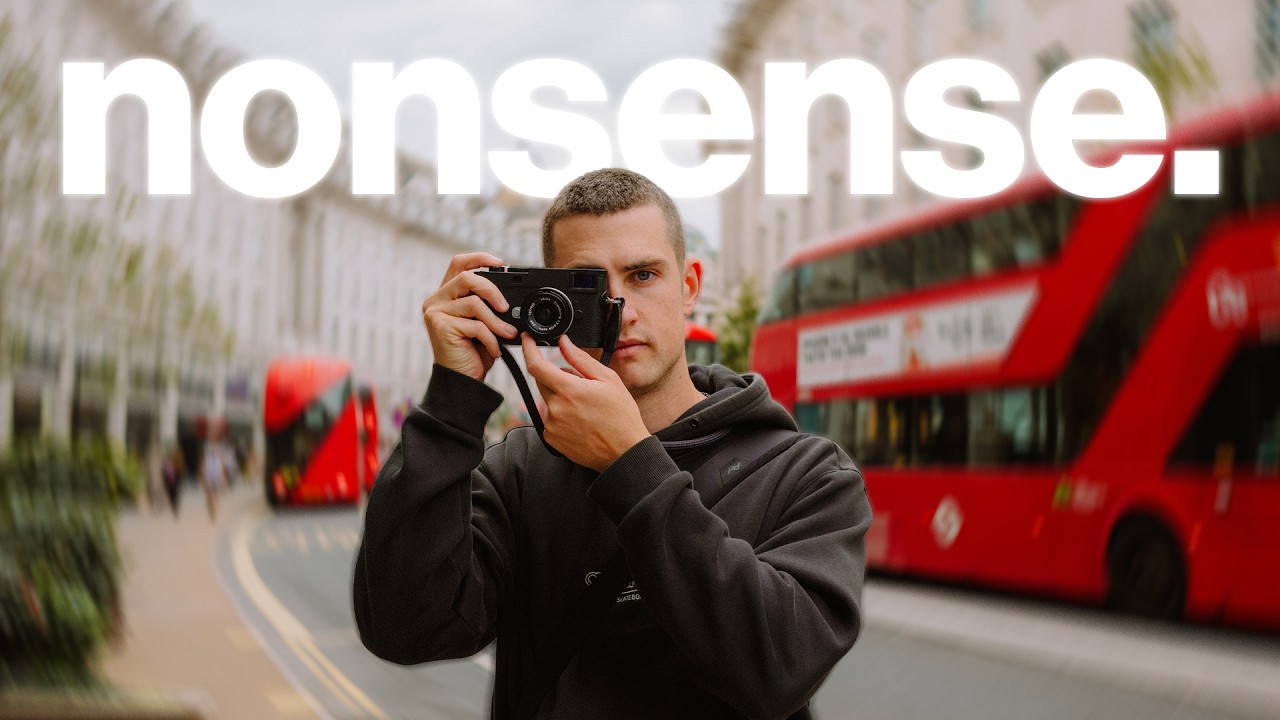
Yet, in a new wave of online criticism – exemplified by a recent viral video titled “Street photography is actually nonsense” – detractors have argued that many street images seem arbitrary, lacking purpose or meaning beyond the superficial.
For these observers, a photograph of a pedestrian crossing or a vendor on a corner can appear no different from any random snapshot, leading some to dismiss the practice as pointless. This critique is echoed across social media, where countless images are churned out without discernible narrative or depth.
Supporters of this view ask a simple question: why bother capturing a fleeting expression or a stranger’s silhouette if it doesn’t hold profound significance? In an age where visual content floods every device and platform, the argument goes, is yet another unremarkable frame really worth our attention?
This skeptical perspective holds that much of what passes for street photography today is little more than banal documentation, lacking the intention or artistic weight that might justify its creation or consumption.

But for many practitioners and admirers, that critique misses the point entirely. Street photography isn’t about grand narratives or staged perfection; it’s about the real world in its rawest form – unpredictable, rough around the edges, and often contradictory. What might appear “pointless” to some is, to others, the very essence of life lived outside the curated frames of studio work or tightly edited portfolios. Every candid shot holds the potential to reveal a truth about human behaviour, society, or even the photographer’s own gaze.
In a visual culture increasingly dominated by AI-generated images, this authenticity matters more than ever. Algorithms can assemble faces and scenes with eerie precision, but they cannot replicate the accidental poetry of a pedestrian’s stride or the honest blur of a moment just missed.
Where AI seeks to simulate reality, the street photographer embraces its imperfections – the unpredictable interplay of light, emotion, and chance that no code could ever fully predict or reproduce. The real world, with all its grit and glory, remains stubbornly beyond the reach of artificial fabrication.
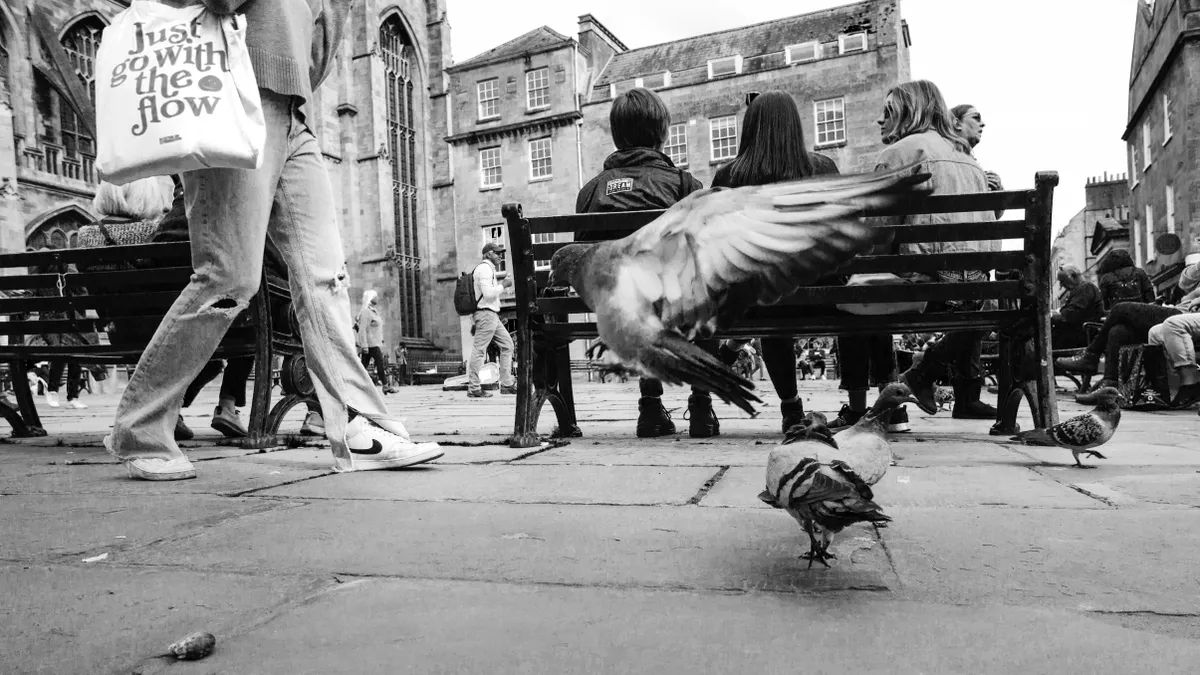
At its core, street photography is a testament to the chaotic yet beautiful nature of everyday life. It demands patience, presence, and an openness to the unexpected - qualities that stand in stark contrast to the polished and pre-designed outputs that AI now churns out by the trillions.
Critics may see aimlessness; advocates see endless possibilities. What some dismiss as randomness, others celebrate as the unfiltered record of existence, a mirror held up to a world that is always moving and never perfect.

Ultimately, the debate over the value of street photography reflects a larger cultural tension between authenticity and simulation. In an era where digital tools can manufacture almost any image imaginable, those who take to the streets with nothing but a camera and their own intuition remind us that the world still offers moments no machine could conjure.
For those who see meaning in the mundane, street photography is not pointless – it is indispensable, a champion of the real in all its unpredictability and truth.
Shop Mike's setup