




I haven’t picked up my camera in months, and for the first time in a long time, I’m not beating myself up about it. Normally, I’m one of those people who never leaves the house without a camera slung over a shoulder or tucked into a coat pocket.
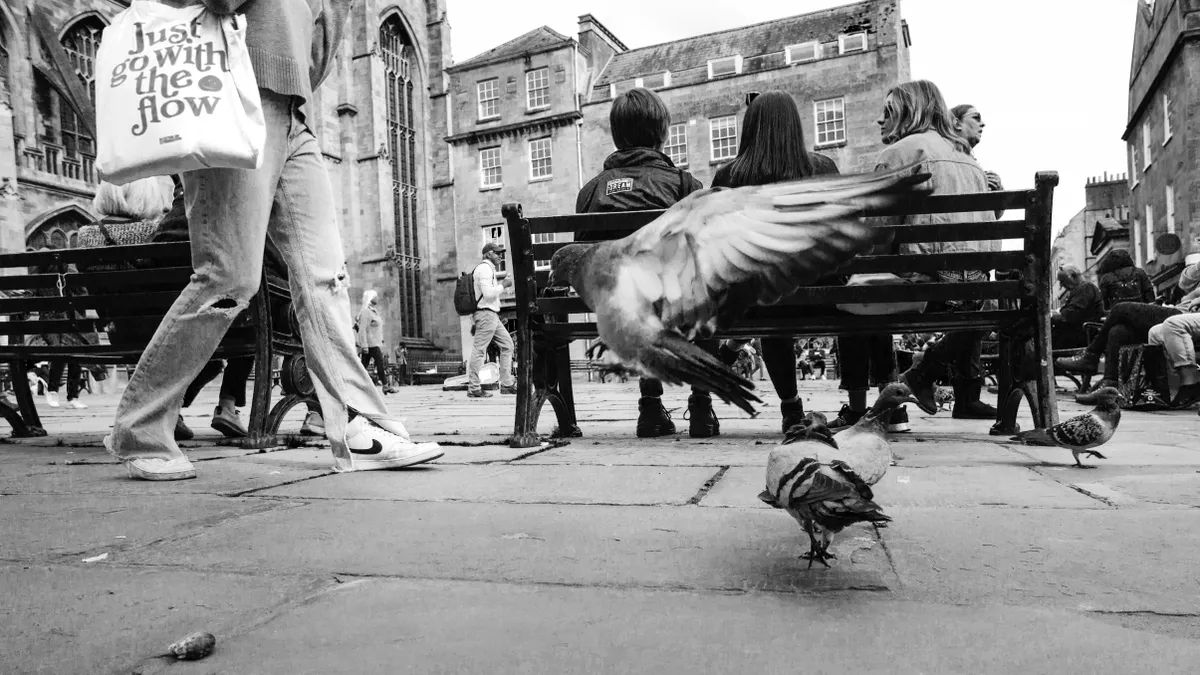
Street photography is my default language, my way of keeping pace with the world. But lately, the colder weather has slowed everything down. The nights draw in early, the wind stings your fingers, and the idea of standing on a street corner waiting for the right moment feels less like a joy and more like a test of endurance.
This isn’t the first time I’ve slipped into a quiet season with my photography. It happens every few years, usually when life demands a slower rhythm. And every time, without fail, I come back sharper. The old mantra insists that practice makes perfect, but creativity doesn’t always work that way. Sometimes the best thing you can do for your eye is to rest it, to stop forcing inspiration and let it simmer in the background.
What I’ve come to realise is that stepping away from the camera doesn’t mean stepping away from photography. Even when I’m not shooting, I’m consuming images constantly - YouTube deep dives, photobooks stacked beside the bed, interviews with photographers who remind me why I fell in love with this craft in the first place. Those things feed the mind just as much as walking the streets with a camera in hand.

There’s a pressure in modern photography culture to be relentlessly productive. Shoot every day. Always carry your camera. Don’t miss a moment. And while there’s value in discipline, there’s also value in stepping back and letting yourself breathe.
The YouTube gurus might tell you that real photographers shoot through every season, but I’ve learned that my best work comes when I don’t treat photography like a job; I must clock into.
Winter has its own rhythm, and mine rarely aligns with it. I still have moments when I wish I’d brought my camera - an unexpected shaft of light, a fleeting look between strangers, that familiar itch to frame a scene. But the truth is, it doesn’t bother me the way it would in the hustle and warmth of spring and summer. Everything feels slower now, and I’m allowing myself to slow with it.
Instead of feeling guilt, I’m leaning into the pause. These breaks recalibrate me. They strip away the noise, the pressure, the endless compulsion to produce. And when the days finally stretch out again, and the air softens, I know I’ll feel that familiar pull - that urge to walk, watch, wait, and shoot. The work will still be there, and so will I.

So yes, I haven’t picked up my camera in months. And that’s ok. Because photography isn’t only about the moments we capture; it’s also about the space between them.
Those quiet stretches give meaning to the images that come after. Sometimes the best thing a photographer can do is nothing at all, and let the world unfold without the need to document every second of it.
Check out our guide to the best cameras for street photography

