
While 2025 felt like it flew by in no time at all, it was certainly here long enough for me to pick up a few new camera habits. However, like all habits, some are helpfully habitual while others are definitely detrimental!
I'm sure I'm not alone in having picked up some camera habits, good and bad, over the years, so here are the ones you should cling tight to and the ones you should let go in 2026…
Habits to keep
Shooting regularly
Nature’s bounty of available flora and fauna changes throughout the year, so it would be a big mistake for us not to capitalize on it.
Make sure you’ve penciled in what you’re going to be shooting in the four different seasons throughout the year, whether this is flowers and macro in spring, landscapes on long summer days or outdoor portraits in autumn and wildlife in winter.
What you shoot is completely up to you, but always plan ahead to get the best pictures and make sure that you’re heading out regularly throughout the year.

Joining a camera club and entering competitions
I’ve recently been attending my local camera club to give talks about photography and also judge some of their images in their monthly competitions – and it’s been a brilliant experience.
I love how photography has brought together a small group of like-minded artists who can all share their own experiences and expertise. Entering competitions on the regular is a great way to get some constructive feedback about your photos, so you can hopefully improve a little each time.
Traveling light
I’ll be the first to admit that I’m the worst offender when it comes to traveling light, because I’m known for trying to pack as many cameras and lenses into my photo backpack as is physically possible. However, lately I’ve been making an effort to pack much more lightly with only essentials and one or two lenses.
Not only does this mean I don’t get worn out carrying around a heavy bag, I’ve also been enjoying the challenge of forcing myself to get shots with lenses I wouldn’t necessarily use. I’ve even been leaving the tripod at home and trying some handheld long exposures using the brilliant image stabilization on some of the best mirrorless cameras.
Checking your shots for exposure and sharpness
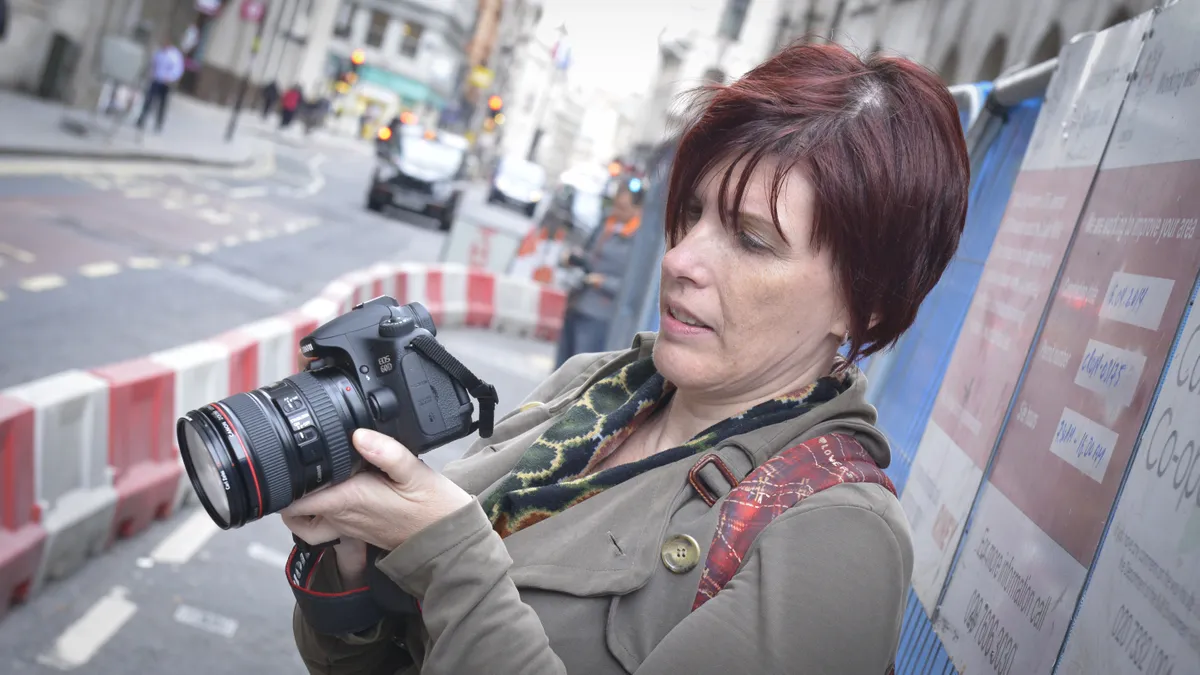
One of the biggest differences between digital and film photography is that digital cameras have an LCD screen, which enables you to play back your shots without having to wait weeks for the images to come back from the lab.
Make sure you’re using the screen to its full advantage by checking your shots regularly, and press the magnify button on your camera to zoom in on the image and inspect for sharpness. If it’s not sharp or correctly exposed, it’s better to take another shot now rather than realize when you get home.
Habits to drop
Spraying and praying
Yes, the latest cameras can shoot at blisteringly fast shutter speeds – but holding down the shutter button and being trigger happy isn’t likely to increase your chances of catching the moment, it’ll just fill your cards with mostly garbage shots.
Instead, try to get into the habit of timing the moment more accurately – and if you do need to take a succession of shots, do it in short controlled bursts rather than holding it down for extended periods.
Using the center column of the tripod

Tripods are fantastic tools for all sorts of photography, although one of my favorites is for landscapes as it enables me to achieve sharper shots, take my time to fine-tune the composition, and makes it possible to capture long exposures to blur moving water and clouds.
However, I’d steer clear from using the center column on your tripod as this is the wobbliest part. It’s also good practice to use the thickest leg sections first for the very best stability. Many professional tripods don’t have a center column for this very reason, so try not to use yours unless you absolutely have to!
Screw the socials – shoot landscape!
Social media apps like Instagram tend to reward those providing content (whether stills or video) in the vertical portrait orientation, as this works better for the smartphones on which it's being viewed. This has led many photographers to start exclusively shooting in portrait, which I think is a big mistake.
We shouldn’t let an app dictate how we take our photos, so if a composition works better in the horizontal landscape orientation then I say go for it. There’s plenty of other places besides apps where you can display your images proudly in the landscape format.
You might also like…
Want to know more? Check out our article If I had to start my camera setup from scratch tomorrow, this is the body and lens I'd buy.

