
The latest tally of cameras and lenses coming out of the world’s camera capital is here – and the numbers from the first half of 2026 highlight some key insights into the camera industry and lens trends.
Japan's Camera and Imaging Products Association (CIPA) has released the numbers for June 2026, along with insight into the first half of the year. But along with camera trends, CIPA also tracks lens data.
While worldwide camera shipments for the first half of 2026 showed a slight growth of 100.5 percent compared to the same time last year, lenses showed a slight decline of 99.4 percent for the first half of the year.
Month-to-month, lenses for all tracked categories showed a decline, with June’s shipment numbers at 87.2 percent of the same time frame last year.
But comparing the lens data from the first half of 2026 to the camera data from the same time frame highlights some interesting insight.
Camera brands sold about 1.02 million interchangeable lens cameras with a full-frame sensor or higher in the first half of the year. During that same time frame, brands shipped 2.18 million lenses for those sensors. That means full-frame photographers bought an average of 2.12 lenses for every camera body.
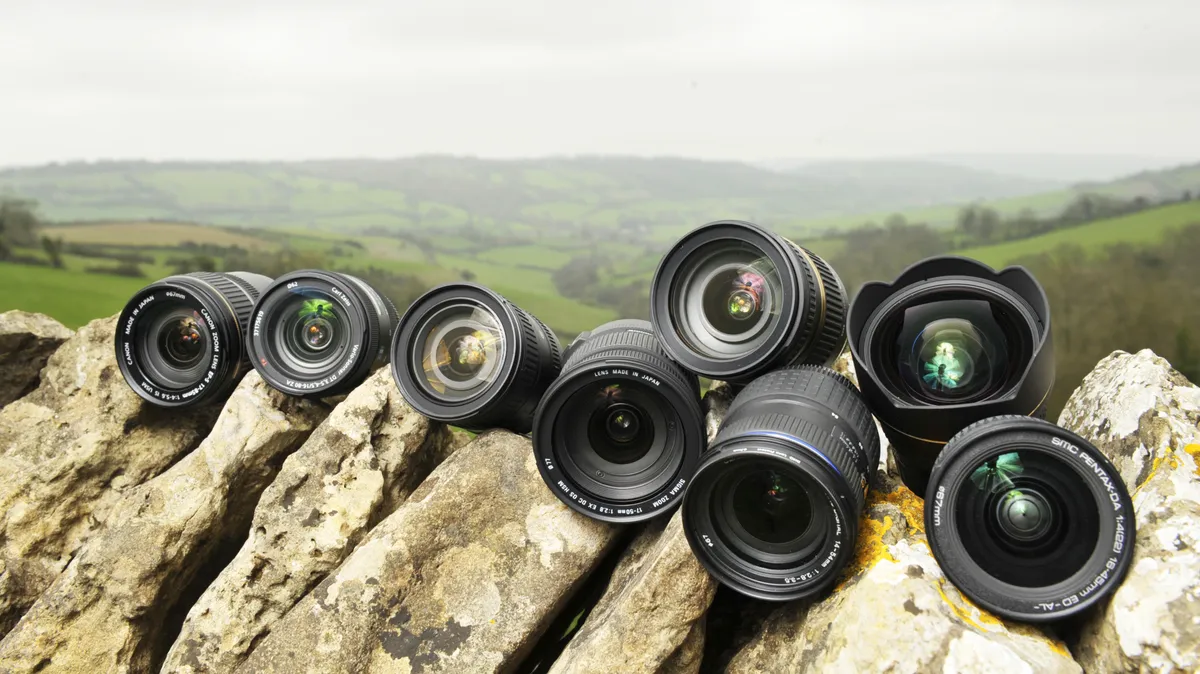
Photographers using crop-sensor cameras tend to buy far fewer lenses for each camera body. In the first half of the year, brands sold about 2.1 million crop sensor interchangeable lens cameras and about 2.7 million crop sensor lenses. That’s a ratio of about 1.28 lenses for every camera sold.
The numbers hint that full-frame photographers tend to buy nearly twice as many lenses – about 1.66 times as many – as creators working with crop sensor systems.
The data, however, only includes CIPA member companies from Japan. That list includes third-party optics brands like Tamron and Sigma, but doesn’t tally third-party optic makers from other countries. Of course, as a six-month span of data, the insight also doesn’t factor in photographers with a pre-existing stash of lenses either.
The crop sensor category likely includes a larger percentage of beginners who only purchase a kit lens with the camera, without adding another lens to swap.
Photographers using full-frame sensors – or larger, such as medium format – tend to include more professionals and serious hobbyists than the crop sensor category, which tends to have lower prices and cameras that cater to beginners.
You may also like
Browse the best zoom lenses or the best cameras for beginners.

