





I've been an Android phone user for years. Not because I'm anti-Apple (I'm not tribal), but because the maths simply never added up. Why spend iPhone money when a Pixel or Galaxy gives you everything I needed for hundreds less?
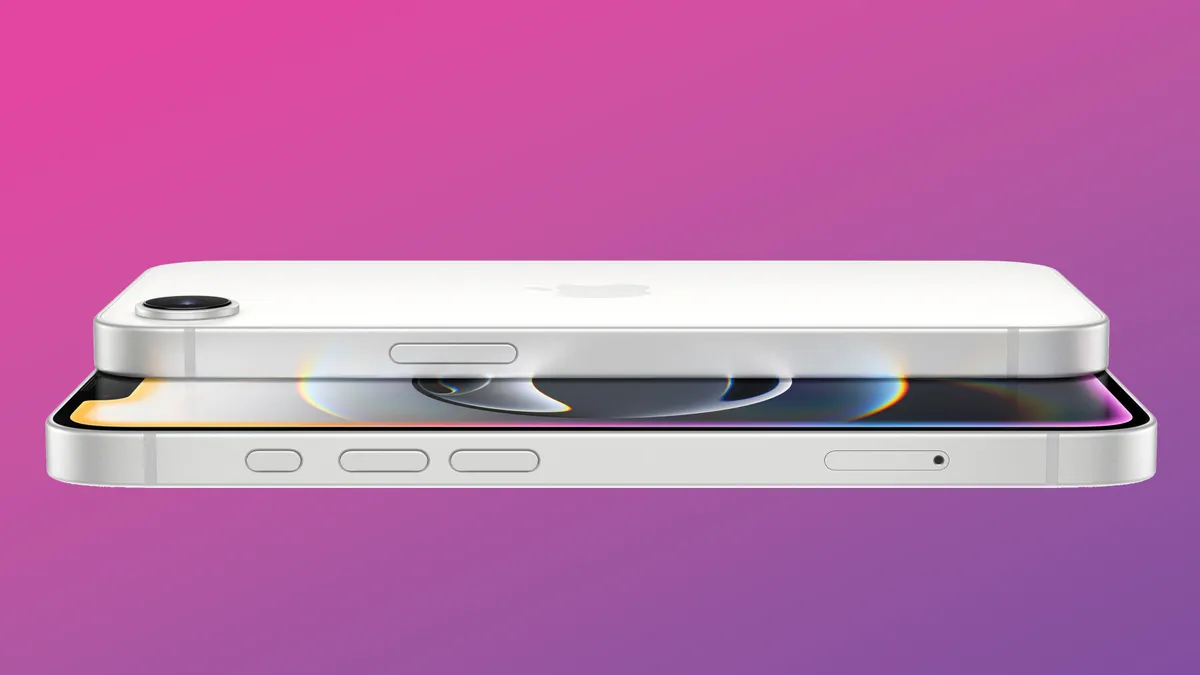
But the latest leaks about the iPhone 17e have me reconsidering everything. And I suspect I'm not alone. Apple appears to be planning something unusual for March. It looks like the iPhone 17e won't just another iterative update.
If the leaks are true, this thing will pack the A19 chip from the flagship iPhone 17 series into a body that costs from around $599 / £599. That's the same processor powering phones costing twice as much. And that's significant. Apple typically saves its latest silicon for premium models, drip-feeding older chips into affordable devices. But here, reportedly, they're throwing their newest processor into their cheapest phone.
The front-facing camera is reportedly jumping to 18MP with that clever Centre Stage technology from the flagship models. For anyone doing video calls, social content, or even just better selfies, that's a meaningful upgrade. The rear camera situation seems a bit more complicated, though.
Leaks suggest a single 48MP sensor, which sounds limiting until you remember that computational photography has largely closed the multi-lens gap. Yes, you lose optical zoom and ultra-wide versatility, but for everyday shooting? A single excellent sensor with Apple's image processing might well outperform the mediocre triple-camera arrays scattered across mid-range Android devices.
Why this matters
It also sound pretty promising. Apple recently killed off their SE lineup, leaving a gaping hole in their range. But now the iPhone 17e appears designed to fill that gap whilst simultaneously raiding Android's mid-range territory. For someone like me, who appreciates iOS polish but balks at flagship pricing, this could be the entry point that finally makes sense.
The A19 chip matters beyond raw speed. It means years of iOS updates, smooth performance as apps grow heavier, and better computational photography processing. That's future-proofing at a price point where Android manufacturers usually offer compromises.
Before we get carried away, though, some scepticism is warranted too. That 60Hz display will feel sluggish compared to the 120Hz panels now standard on mid-range Androids. And the single rear camera, however capable, won't match flagship versatility. There's also the fact that switching to iPhone means embracing Apple's walled garden completely – iCloud, iMessage, the works. That's probably brilliant if you're in it already, constraining if (like me) you're not.
Of course, none of this is confirmed yet. Apple hasn't said a word officially, and they won't until they're good and ready. But if these leaks prove accurate, the iPhone 17e represents something rare: an affordable Apple device that doesn't feel like a compromised afterthought.
The main thing, though, is that I've started to make the mental leap. This could be the phone that finally breaks my Android habit. Not because it's revolutionary, but because it's sensible. And sometimes that's actually more disruptive than innovation.
So... will I switch? Ask me again in March. But most importantly, for the first time in years, I'm genuinely tempted.
Check out the best iPhones for photography available right now

