I was at the Drone X show in London last week – and I found out something rather surprising…
Drone exhibtions are not quite the same experience as early drone shows were, as nowadays the lean a lot more heavily into defence applications than the early days of joyful experimentation. The phrases that stood out as I looked around the hall at first were “Combat tested” and “from the Ukraine”.
But it isn’t the combat applications that will be of concern to photographers and others who operate drones as part of a small business. It is the regulations.
In the USA, a lot of small operators (and, in fact, government agencies with limited budgets like the police) have suffered because of the government’s sweeping bans on DJI and any large-scale change can have unintended consequences.
Something I was genuinely surprised to hear mooted in the hall by serious professionals was the idea of specific regional regulations.
Drone operators will already know it is hard enough to get the UK’s more serious qualifications for heavier drones used nearer “uninvolved people” – the GVC, PDRA01, or UK SORA certificates. On top of that, users need landowners' permission, insurance, and risk assessment, so professional operations are not short of paperwork.
One benefit in planning a flight has always been that the rules are the same everywhere in the country because there is a single aviation authority. They might vary based on drone weight and the like, but at least you know what they are.
Corinne Matthews, Energy & Aerospace Sectors Lead at Somerset Council, in England, told the crowd at Drone X a lot they already knew about the benefits of drones in replacing cherry pickers, building scaffolding, or other traditional (and expensive) survey methods.
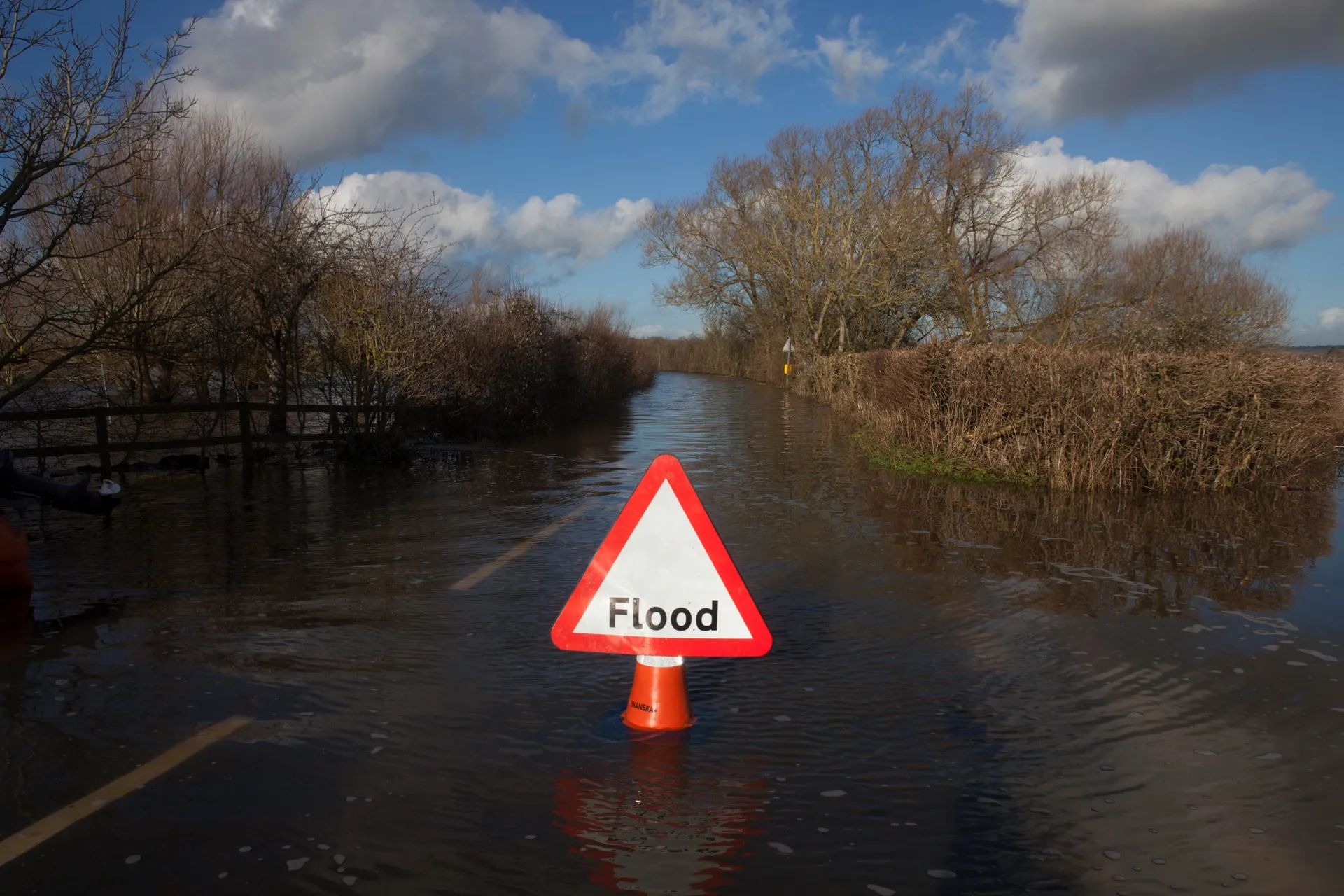
Encouraging pilots and operators to engage with governments, she shared how Somerset council had operated a pilot scheme to help monitor the regular flooding of the Somerset Levels, potentially saving money.
Then it took a surprising turn.
Matthews – who has a CRAes, which is a ‘Companionship’, a kind of honorary fellowship of the Royal Aeronautical Society – hinted that regional governments might take control of local regulations.
This news came as a shock to me as a drone user, and definitely turned some heads.
Perhaps even more surprisingly, she was suggesting that the schemes she conducted would have benefited from more relaxed emergency powers to fly BVLoS (Beyond Visual Line of Sight). Typically, when you imagine new rules these days, you imagine them being more restrictive.
She was, however, referring to a specific emergency scenario when the ground beneath the drone was flooded, so unlikely to be occupied by people.
Either way, though, the law with good intentions she was envisioning could prove problematic for freelance operators, moving from area to area, trying to make sense of the rules. If it is possible to grant more generous powers, it is likely to work the other way too.
For now, though, this is all conjecture.
It wasn’t set in stone – but it is clearly an area that is being debated, and Richard Collins, project manager of the South West DroneTech Pilot, also discussed the possibility.
The possibility of regional devolution seems even more likely in the UK at the moment following the arrival of a new Prime Minister, Andy Burnham, who re-built his political career after a stint as a regional mayor. Since taking power he has promoted the idea of regional government power.
Drone operators may find things could get even stranger though – not all UK councils are fully devolved with elected mayors, for example, so finding out the local regulations could become very challenging.
I asked a representative of the UK’s Civil Aviation Authority, who declined to go on record, but who did tell me that he hasn’t heard anything about this yet, without ruling it out.
Could this matter to Americans, too? In a system with many regional mayors and local governments able to make their own regulations, it is already an issue. Federal Rules, administered by the FAA (the equivalent of the CAA) are dominant, because the US government's law is higher than the state law.
Whether things will be as clear-cut in the UK is not as clear.

