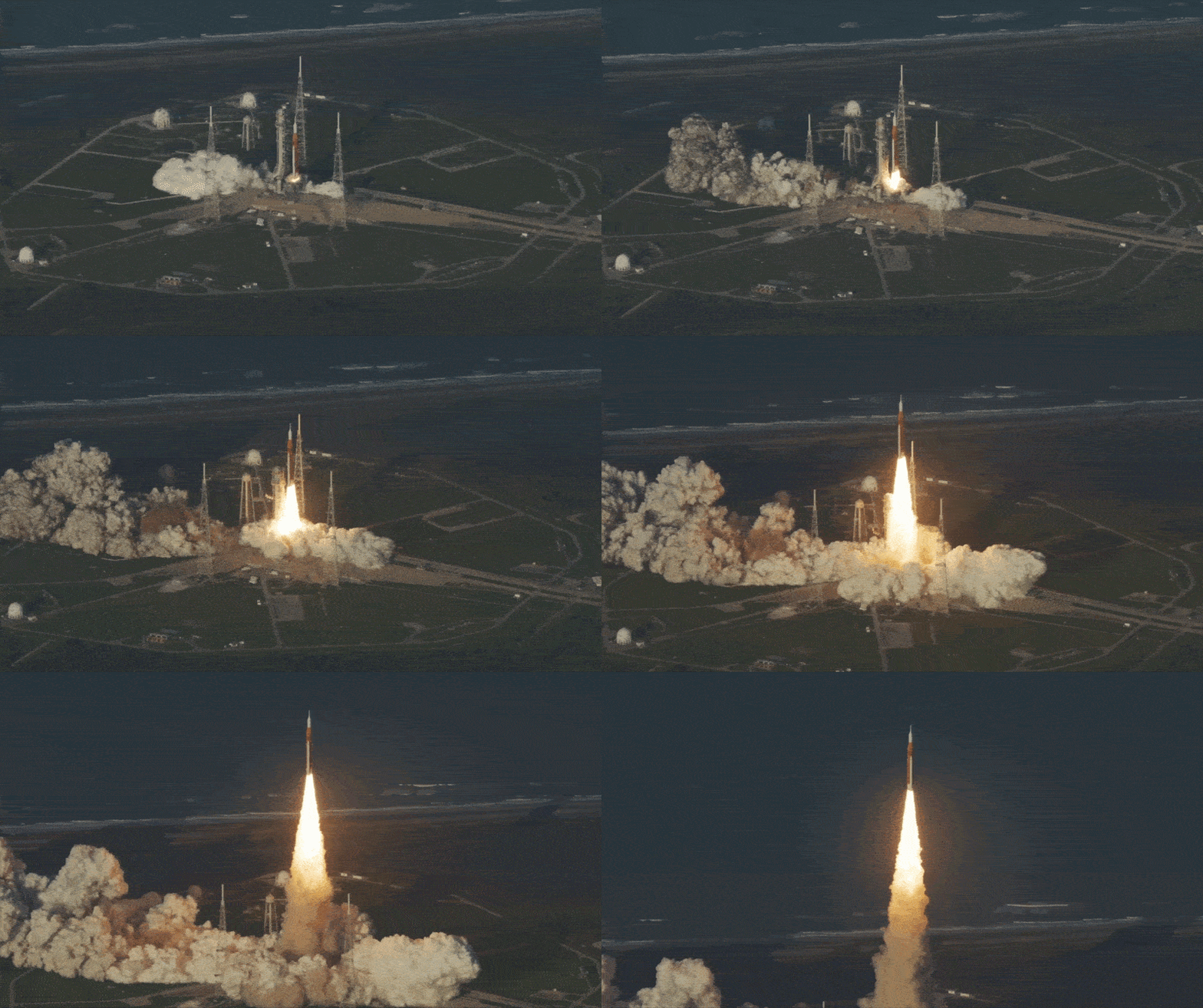
NASA publishes a lot of videos of a launch, as it did with the historic Artemis II launch on April 1, but my favourite clip of the launch has to be the one captured from an officially-hired small plane, a Cessna, which orbited the launch pad.
With the unengaging name 'Cam 11 View' in this compilation of every shot of the launch of the SLS (19:32), the camera tracks the rocket from the pad all the way through Max-Q, Solid Rocket Booster (SRB) separation, and beyond – all shot from a camera on board a plane with no more than 14 seats.
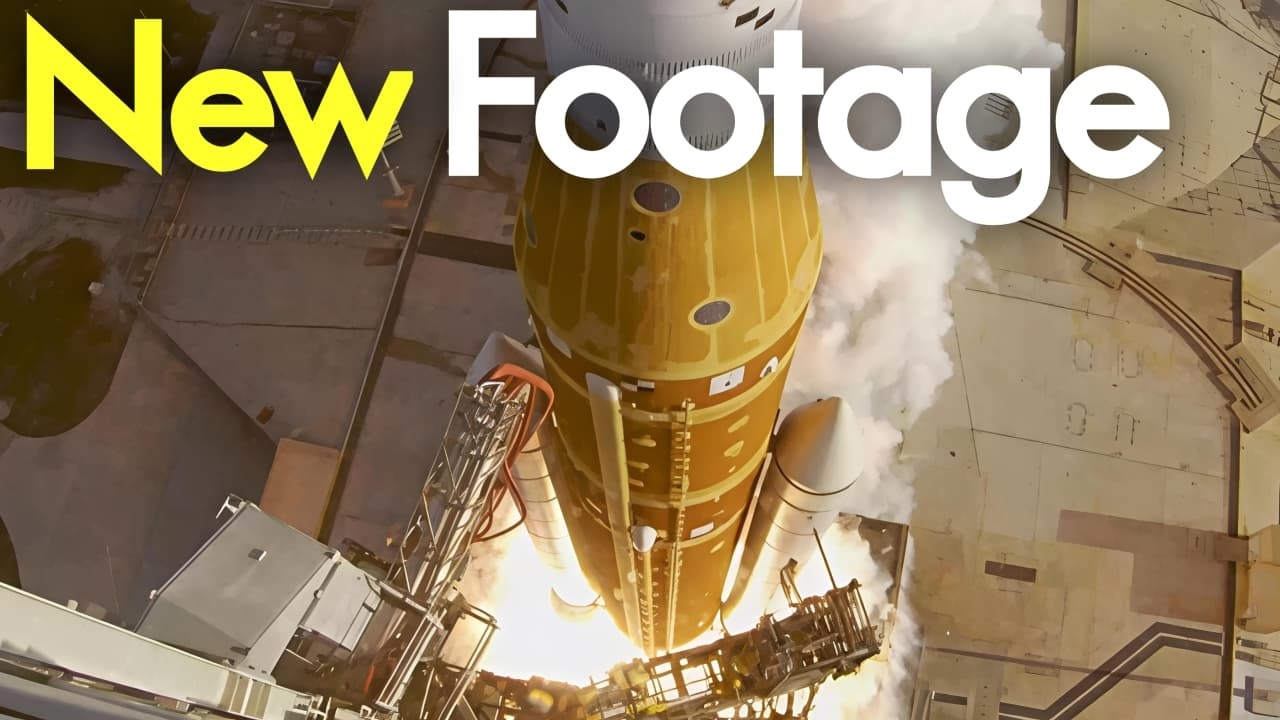
If you're used to reading my material, it won't surprise you at all – the footage from this view looks a lot like the kind you get from a drone (and, indeed, if it were a model rocket you might get something similar with one of the best camera drones and a subject tracking feature, but of course Artemis II was no model.
The SLS rocket took a crew of four people further from the Earth than any humans had ever travelled, around the far side of the moon, from where they are now headed home and are scheduled to land on April 10.
More or less the end of the shot – with the SLS 78 miles from its launch – was the separation of the Launch Abort System, the tiny rocket from the top of the craft which could be used in an emergency to pull the relatively tiny personnel module (Orion) off the top of the 322ft (98.1m) tall rocket (that, incidentally, is 17ft taller than the Statue of Liberty).

It takes just eight minutes for the Artemis 2 SLS to burn through all its fuel, and with around 8.8 million pounds of thrust it is the most powerful NASA has ever launched – that despite still being slightly shorter than the Saturn V used during the original moon landing missions (that ship had around 7.5 million pounds of thrust).
Incidentally, one of the many reasons NASA didn't just fish out 50-year-old plans (apart from the very real fact you literally can't get the parts these days), is that the new SLS is designed to be more powerful and adaptable than the Saturn V.
That's pretty exciting for a space nerd like me who has watched the design make its way to reality through the Constellation program and into Artemis because, deep down, I've grown up wanting humanity to head back to space.
I do not expect to be an astronaut myself, but flying drones has been as close as I thought likely, and getting great orbiting images is part of that. Doing so is something that even the best beginner drones can help you achieve now thanks to AI subject tracking.
Oh, you don't need a rocket as your subject either – orbiting works for someone walking, running or cycling just as easily! It just helps add drama, as is so obvious in this brilliant NASA shot – though here, of course, the Cessna is a fixed-wing aeroplane so the circular movement is essential to keep the plane in the air.
It wasn't, incidentally, the NASA-painted Cessna doing the flight on the day, just one the agency hired for the job.
The Cessna Caravan, or 'Model 208' is a single-engine plane with enough room in the back for 10-14 passengers (or some camera gear) and was seen flying circles around the launch site by enthusiasts checking FlightRadar.

