
Much has been made of the incredible images coming from the Artemis II spacecraft, but what about the camera tech that has been deemed worthy of making it aboard this momentous mission? Maybe some exotic specialist photographic hardware has been developed especially for NASA, or failing that, then surely the astronauts must be using the very latest and best equipment that the mainstream camera industry has to offer?

There are plenty of premium cameras that could potentially work well for such a special task, but NASA has a long history of trusting Nikon for its photographic requirements, so it's of little surprise NASA has again picked Nikon for Artemis II. What's more surprising is the particular Nikon camera bodies you'll find on board. Though Nikon's current flagship camera, the Z9, is present, it was apparently not NASA's primary choice, and it isn't the main camera being used for the mission. That honor goes to the D5 DSLR.

Yes, while DSLRs are almost extinct in the consumer camera market (Nikon won't be making any more, and it’s now into its third generation of mirrorless Z cameras) NASA continues to favor the classic single lens reflex camera design. This is surprising given that DSLRs are usually heavier than their mirrorless alternatives, and for a space launch every gram really does matter. What's more, NASA didn't even choose Nikon's most recent flagship DSLR, the D6 - it instead went with the preceding D5.
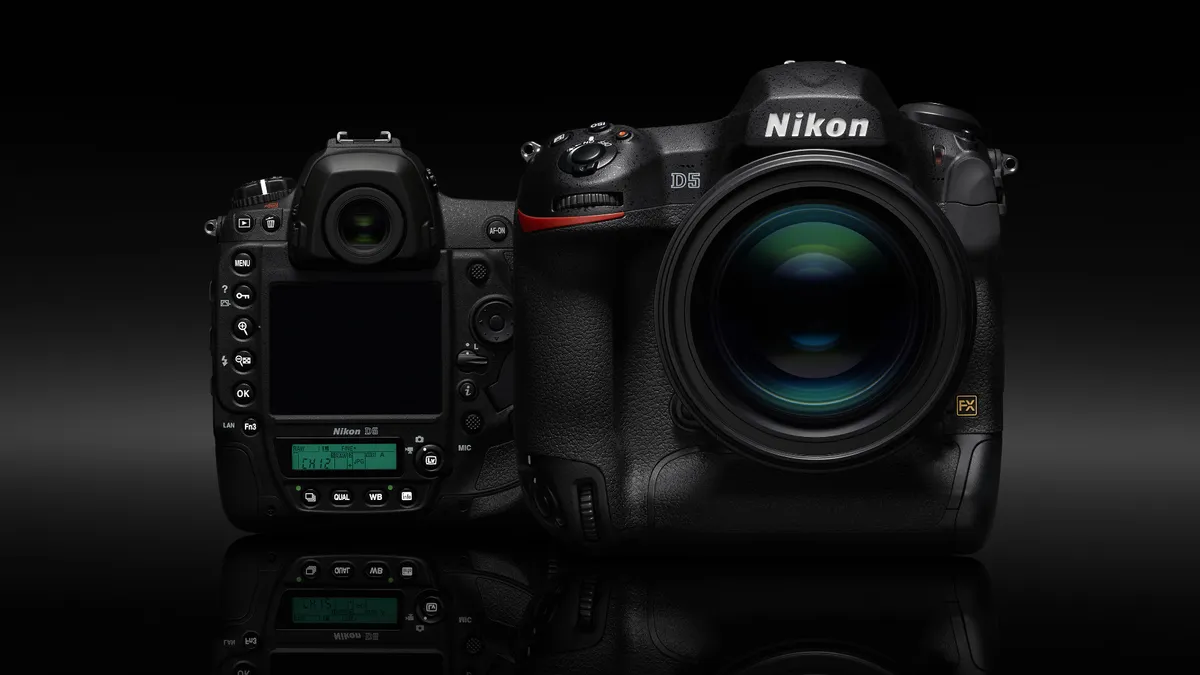
This will likely be due the D5 already being a known quantity for NASA, having been extensively tested for its ability to survive the rigors of space travel and the unique demands of photography in zero gravity. But the D5 also makes a solid case for itself when it comes to image quality. The D5 was launched in early 2016, so you'd be entirely forgiven for thinking that a 10-year old camera would now be trounced by something like the Z9 in terms of stills quality, but that's simply not the case. In the depths of space, ambient light isn't always plentiful, so high ISO image quality is especially important. And in this area the D5 doesn't just hold up against current Nikon Z cameras, it actually BEATS them!
We've lab tested the image noise levels from every full-frame Nikon camera released over the last 15+ years, so can compare the D5 with the Z9 directly in the graph below, and the results may surprise you:

So how has a decade gone by with no improvement in high ISO image quality? Well, Nikon has prioritized increased resolution for its flagship mirrorless body, and unfortunately you just can't have extra resolution and maintain the same low noise levels. Squeezing more pixels onto a full-frame sensor means each individual pixel has to be made smaller, which in turn reduces the amount of light it can capture over a set shutter speed. The end result is more image noise, and even modern advances in signal processing haven't managed to compensate for this. Quite simply, if you need to shoot at high ISO sensitivities in space and want the lowest possible noise levels, you need a camera with a large sensor and a low megapixel count.
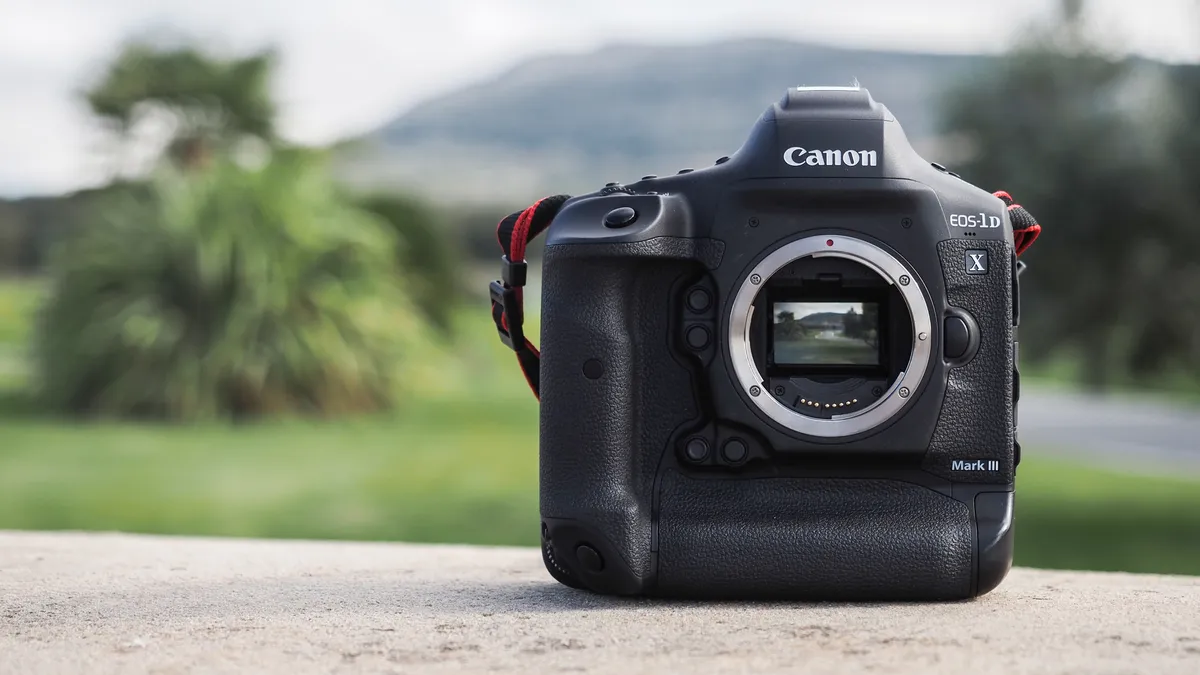
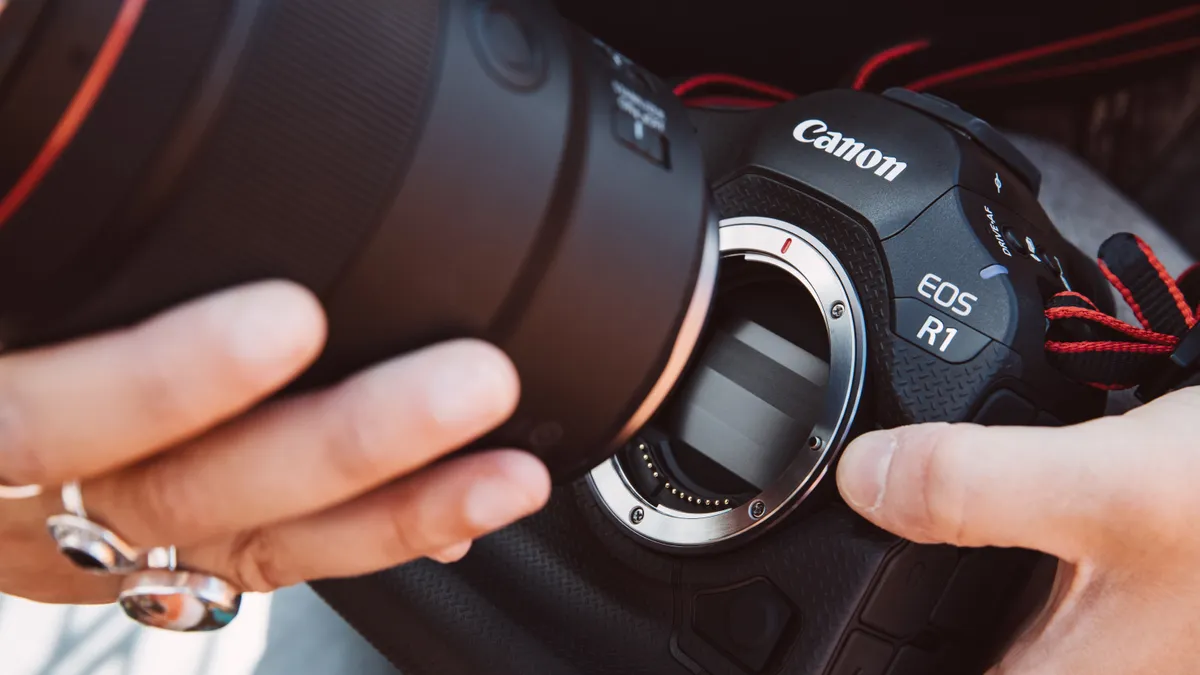
The 20.8MP full-frame Nikon D5 fits this profile very well, though it's not the only camera that scores well for high ISO image quality. The newer D6 actually generates slightly less noise at very high ISOs than the D5, and Canon's final flagship DSLR, the EOS 1D X Mark III, outperforms the D5 up to ISO 6400. NASA could also have selected the mirrorless EOS R1 and been rewarded with slightly better low light image quality than the D5 delivers. This is thanks to Canon opting for a more conservative 24.2MP resolution for its flagship mirrorless camera, which gives it a significant low light advantage over the 45.7MP Nikon Z9.
So what have we learned here? Though cameras have improved in many ways over the last 10 years, high ISO noise levels have barely reduced. The major camera brands may not be making DSLRs any more, but that certainly doesn't mean more recent DSLRs won’t still hold up very well against current mirrorless cameras for still image quality. And finally, if you're a NASA astronaut and want to take a camera into space, then it'd better be a Nikon!

