
As concerns surrounding artificial intelligence and misleading imagery continue to grow, a photograph's traceable history could become every bit as valuable as resolution, autofocus, or dynamic range. C2PA-enabled cameras help field the question "Is this AI?" by giving viewers an overview of how a photograph was captured and edited.
C2PA is an open source technology that allows cameras (and software) to track if a photograph was made in a camera and if the photograph was altered. These Content Credentials help viewers gauge if an image is AI-generated.
The cameras featured in this guide cover a broad range of photographic needs, from photojournalism and documentary work to portraiture, landscapes, and commercial shooting. Some are compact, rangefinder-inspired models, while others are powerful full-frame workhorses, but they all have one increasingly valuable feature in common: built-in support for C2PA-based Content Credentials.
C2PA technology adds cryptographically signed provenance information when an image is captured, helping to create a transparent, tamper-evident record of where the photograph came from and whether it has subsequently been edited within a compatible workflow. It cannot tell you whether the subject of a photograph is truthful or accurately represented, but it can make it easier to distinguish genuine camera-captured imagery from manipulated or AI-generated content.
Whatever type of photography you shoot, the best C2PA-enabled cameras offer photographers a more reliable way to prove the origin of their work, creating a verifiable connection between the photographer, the camera, and the moment the shutter was pressed.

Sebastian has worked as an international photographer and journalist for almost two decades, with images used by organizations including the FEI, The Jockey Club, and Horse & Hound. His experience spans editorial, documentary and commercial photography, giving him a strong understanding of image authenticity and provenance. He has worked extensively with cameras from Nikon, Leica, Phase One, Hasselblad, Alpa, and Sinar.
The best C2PA enabled cameras in 2026
Why you can trust Digital Camera World Our expert reviewers spend hours testing and comparing products and services so you can choose the best for you. Find out how we test.
Best in concept

Sample images


The Leica M11-P combines the traditional rangefinder experience with one of the most important new technologies in digital photography. Its understated design removes Leica’s familiar red dot, giving the camera a more discreet appearance that suits street, documentary, and travel photographers who prefer to work unnoticed.
Inside, it shares the same 60MP full-frame sensor as the standard M11, complete with Leica’s Triple Resolution Technology. Image quality is exceptional, with superb detail, rich color, and plenty of flexibility for large prints or heavy cropping.
The M11-P was the first camera ever to embed C2PA-compliant provenance information at capture, creating a secure record of an image’s origin and subsequent editing history. While many brands use software-based C2PA, Leica uses a hardware-based chipset to apply the C2PA as the image is captured, making the data harder to tamper with.
The C2PA embeds more than the typical metadata, like what camera was used and the photographer's name. The C2PA also records if the photo was opened in an editing program like Photoshop and, if so, what changes were made. If you only made adjustments to color, for example, that's what will show inside the Content Credentials.
Anyone can look up the Content Credentials online, but the feature is also compatible with Leica's Fotos app. These Leica Content Credentials cannot prevent photographs from being manipulated, but they give photographers a clearer way to demonstrate that an image began as a genuine camera capture.
The Leica M11-D offers the same C2PA functionality but removes the rear screen entirely, creating an even more traditional shooting experience. Reviewing images requires a connected smartphone, but for photographers seeking a more focused, film-like approach, it is an appealing alternative to the M11-P.
Read our full Leica M11-P review for more details
Best for beginners
Sample images


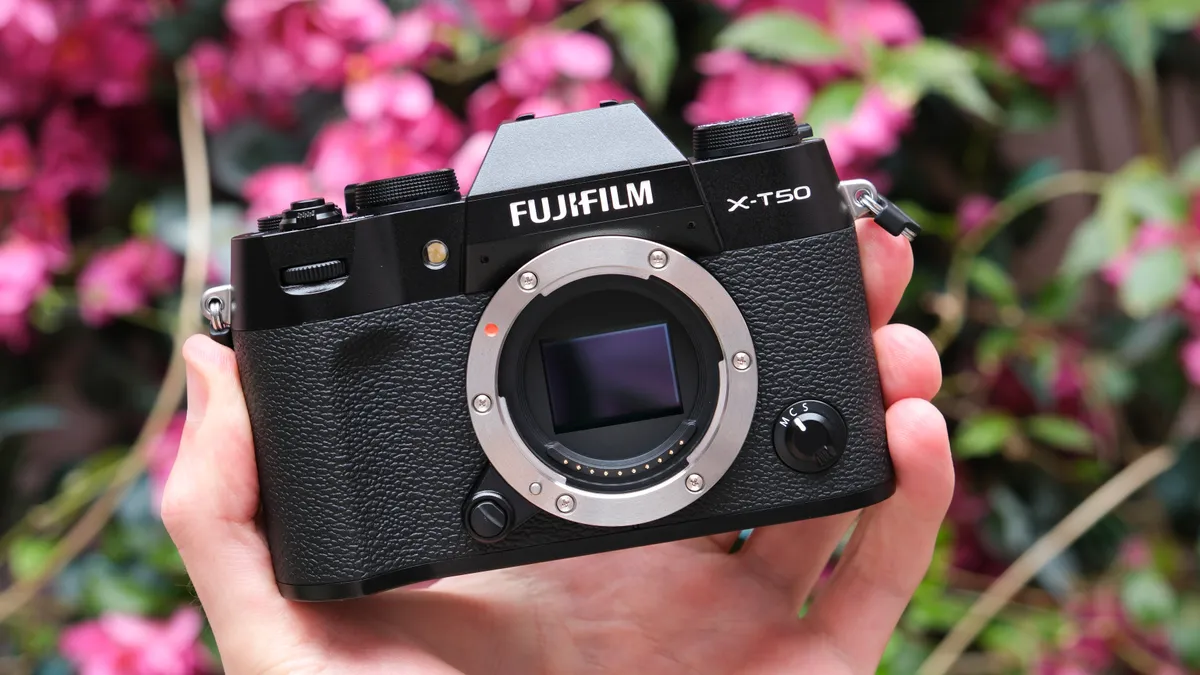
The Fujifilm X-T50 brings much of the imaging performance of the flagship X-T5 into a smaller and more approachable body. Its 40.2MP APS-C sensor and fifth-generation processor deliver excellent detail, strong color, and plenty of cropping flexibility, while built-in image stabilization makes it a capable everyday camera for travel, street photography, and portraits.
Video performance is equally impressive for a camera of this size, with high-resolution 6.2K recording, oversampled 4K, and internal 10-bit options. Fujifilm’s Film Simulations remain a major part of the experience, with the dedicated dial making it quick and enjoyable to switch between different looks without spending hours editing afterwards.
The X-T50 does support C2PA Content Credentials, giving photographers a way to attach verifiable provenance information to their images. Like other C2PA cameras, this attaches a digital signature and tracks whether or not a photo has been edited. The C2PA feature is also free to use and doesn't require a paid activation.
The X-T50 is one of the more affordable options for anyone who wants strong image quality and traditional Fujifilm handling alongside a modern authenticity workflow. It is not perfect, though. There is no weather sealing, the battery is relatively small, and the single memory-card slot limits its appeal for demanding professional work. Its price also places it close to the more robust X-T5, but for photographers who want Fujifilm’s latest sensor technology and C2PA support in a compact body, the X-T50 remains a very compelling choice.
Read our full Fujifilm X-T50 review for more details
Best hybrid camera


The Canon EOS R5 Mark II is one of the most advanced hybrid cameras available, combining a 45MP full-frame sensor with rapid shooting, sophisticated autofocus and professional video capabilities. It can capture bursts at up to 30fps and record 8K 60p RAW video, making it equally comfortable covering sport, wildlife, news assignments, and high-end filmmaking.
Canon’s Dual Pixel Intelligent AF is a particular highlight. Eye Control AF allows you to select a subject simply by looking towards it in the viewfinder, while Action Priority can recognise important movements in selected sports and shift focus towards the player most likely to perform the decisive action. Its powerful stabilisation and in-camera neural-network processing further strengthen an already formidable all-round package.
For this guide, however, the most important feature is its support for C2PA-based image authentication. With Canon’s Image Authenticity feature enabled, the EOS R5 Mark II can attach signed provenance information at capture, helping news organisations verify where an image originated and follow its history through editing and publication. Canon’s wider Authenticity Imaging System also supports certificates, trusted timestamps, and content-history verification, although C2PA functionality requires paid activation and availability varies by region.
While specifically designed for newsrooms, Canon's Image Authenticity requires a paid activation.
The EOS R5 Mark II is undeniably expensive, and not every photographer will need its extensive speed, video, and authentication capabilities. For professional photojournalists, sports photographers, and editorial teams that require both cutting-edge performance and a traceable image workflow, however, it is one of the strongest C2PA-enabled cameras available.
Read our full Canon EOS R5 Mark II review for more details
Best digital/analog experience

Sample images


The Leica M11-D takes a very different approach from most modern digital cameras. By removing the rear screen entirely, it encourages photographers to concentrate on framing, timing, and instinct rather than reviewing every image immediately after capture. The result is a slower, more deliberate experience that feels closer to shooting with a traditional film rangefinder.
Despite its minimalist design, the M11-D is built around thoroughly modern technology, including Leica’s 60MP full-frame sensor and C2PA-compatible Content Credentials. Provenance information can be attached at the moment of capture, helping create a secure record of where an image originated and how it moves through a compatible editing workflow. Like other Lieca,s the C2PA data is hardware based.
It is not the most practical choice for photographers who need instant playback, rapid menu access, or a conventional digital workflow, as image review is handled through a connected smartphone. For street, documentary, and fine-art photographers who value both a distraction-free shooting experience and verifiable image authenticity, however, the M11-D is one of the most distinctive C2PA-enabled cameras available.
Read our full Leica M11-D review for more details
Best Canon for sports
Sample images


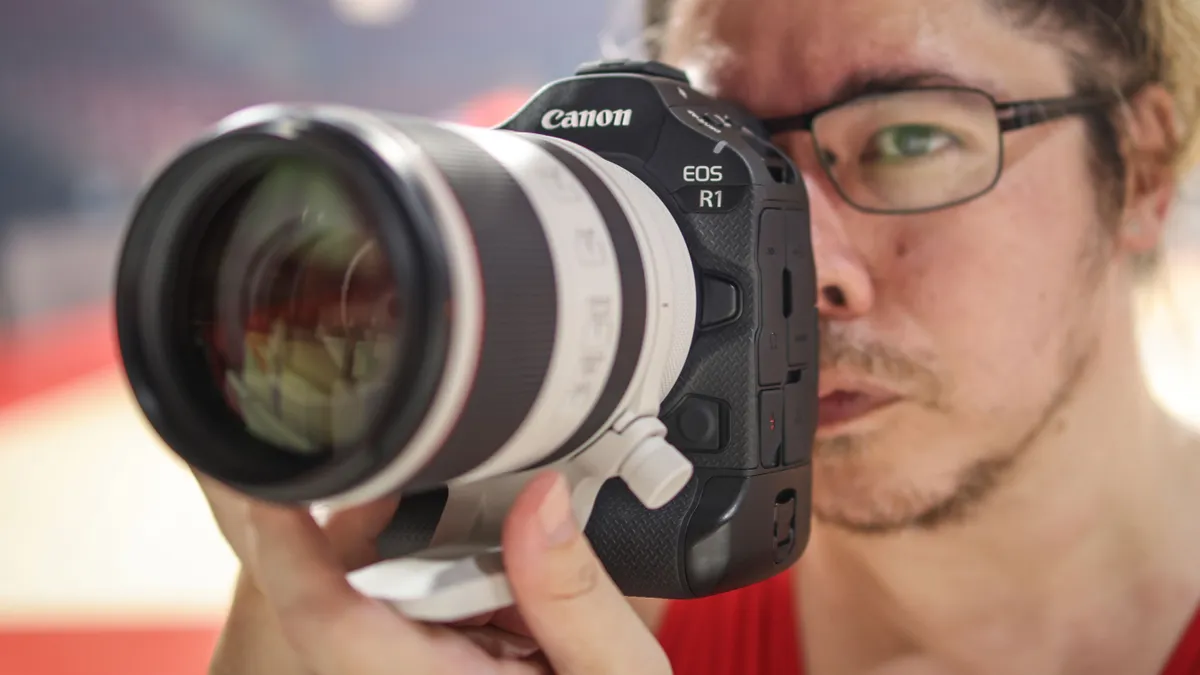
The Canon EOS R1 is built for professional sports, news and action photographers who need speed, reliability and intelligent autofocus above everything else. Its 24.2MP stacked full-frame sensor can shoot continuously at up to 40fps, while the fast sensor readout keeps rolling-shutter distortion to a minimum when photographing rapid movement.
Canon’s Dual Pixel Intelligent AF system is the real highlight. Action Priority can recognise important moments in football, basketball and volleyball, while Registered People Priority helps the camera remain focused on selected individuals. Eye Control AF also allows photographers to choose a subject simply by looking towards it through the viewfinder, making the R1 exceptionally responsive in unpredictable situations.
The EOS R1 also offers 6K 60p RAW video, powerful in-camera noise reduction, and deep-learning upscaling that can increase the dimensions of a 24MP image by four times. It may lack the native resolution of some competing flagships, but its combination of speed, connectivity, and intelligent processing makes it ideally suited to photographers working against tight deadlines.
Of course, it also supports Canon’s C2PA-compliant Authenticity Imaging System. With the Image Authenticity function activated, the camera can attach a digital signature at capture, helping news organisations verify an image’s origin and track its history through editing and publication.
The full C2PA service requires paid activation, and availability varies between regions, but for professional sports and press photographers who need both rapid performance and verifiable imagery, the EOS R1 is one of the strongest options available.
Read our full Canon EOS R1 review for more details
Best Sony camera for sports


The Sony A9 III is built for professional sports, action, and news photographers who cannot afford to miss a decisive moment. Its full-frame global-shutter sensor eliminates the rolling-shutter distortion associated with conventional electronic shutters, while enabling blackout-free continuous shooting at up to 120fps with full autofocus and exposure tracking. It can also reach shutter speeds of 1/80,000 sec, including with compatible flash equipment.
Sony’s AI-powered autofocus system is equally impressive, recognising and tracking subjects including people, animals, birds, insects, vehicles and aircraft. Combined with its exceptional burst speed, this makes the A9 III particularly well suited to unpredictable subjects where even a fraction of a second can determine whether you capture or miss the image.
With compatible firmware and Sony’s Camera Authenticity Solution, the A9 III can also support C2PA-based Content Credentials. These add signed provenance information to captured files, helping photographers and news organisations verify where an image originated and follow it through a compatible editorial workflow. Sony also uses depth data inside the credentials, which helps prevent someone from taking a photo of an AI-generated image with the camera and passing it off as real.
Licensing and service availability may vary depending on the country or region. Basic C2PA certificate capabilities are included with the purchase of the camera, but the Digital Signature Upgrade License made for newsrooms is a paid upgrade.
For most photographers, the A9 III’s extraordinary speed will be unnecessary and will quickly create demanding storage, backup, and image-selection workloads. For professional sports and press photographers who genuinely need global-shutter performance, advanced autofocus, and verifiable image provenance, however, it is one of the most specialised and capable C2PA-enabled cameras available.
Read our full Sony A9 III review for more details
Best for megapixels


The Fujifilm GFX100S II makes high-resolution medium-format photography considerably more accessible. Its 102MP large-format sensor delivers exceptional detail, dynamic range, colour depth and tonal subtlety, making it particularly well suited to commercial, fashion, landscape, fine-art and archival photography.
Despite that enormous sensor, the GFX100S II is relatively compact and weighs approximately 883g. Its in-body image stabilisation provides up to eight stops of compensation, while Pixel Shift Multi-Shot can create files with resolutions of up to 400MP when even greater detail is required.
Its place in this guide comes from Fujifilm’s rollout of C2PA-based Content Credentials across selected GFX and X Series cameras. This gives professional photographers a way to attach tamper-evident provenance information to their work, helping demonstrate where an image originated and how it has been handled through a compatible workflow. The latest firmware and any required software should be checked before relying on the feature professionally, but C2PA is a free feature.
The faster and more expensive GFX100 II remains the better choice for demanding video or action work, but many photographers will not need its additional performance. For anyone prioritising extraordinary resolution, manageable handling, and verifiable image provenance, the GFX100S II is one of the most compelling C2PA-enabled cameras available.
Read our full Fujifilm GFX 100S II review for more details
Best compact monochrome

Sample images


The Leica Q3 Monochrom is an unapologetically specialised camera, combining a fixed 28mm lens with a dedicated black-and-white sensor. Its 60MP full-frame sensor captures exceptional detail, tonal depth and low-light performance, while the Summilux 28mm f/1.7 lens delivers excellent sharpness and contrast for street, documentary, travel and fine-art photography.
It is not designed for photographers who want maximum versatility. There is no colour capture and the lens cannot be changed, but those limitations are a large part of its appeal. The Q3 Monochrom encourages you to concentrate on light, texture and composition, creating a more deliberate and focused shooting experience.
For this guide, its other key feature is built-in Leica Content Credentials. The camera can attach C2PA-compliant provenance information at capture, helping establish where an image originated and providing a traceable record through a compatible editing workflow.
It is expensive and undeniably niche, but few cameras combine such exceptional monochrome image quality with a compact body, fast fixed lens and verifiable image provenance. For photographers committed to black-and-white photography, the Q3 Monochrom is one of the most distinctive C2PA-enabled cameras available.
Read our Leica Q3 Monochrom review for more details
Best mirrorless Leica

Sample images


The Leica SL3-P is a powerful hybrid camera designed for photographers and filmmakers who need speed, image quality, and professional video tools in one body. Its 44MP full-frame BSI sensor delivers excellent dynamic range, color and low-light performance, while its multishot mode can produce 176MP files when additional resolution is needed.
Autofocus is considerably faster and more dependable than on previous SL cameras, combining phase, contrast, and object detection. Continuous shooting reaches 40fps with full autofocus, making the SL3-P suitable for action, events, and documentary work as well as more considered portrait and commercial photography.
Video is another major strength, with 8K recording, 3:2 open-gate capture, with RAW output over HDMI. It also supports professional features including ProRes recording, L-Log, timecode, external SSD recording, and direct camera-to-cloud workflows through Adobe Frame.io.
The SL3-P is the second camera in Leica’s SL system to include Content Credentials technology, following its introduction on the SL3-S. It can cryptographically sign images at capture with information about the camera and subsequent editing history, giving professional photographers a clearer way to demonstrate the origin and authenticity of their work.
It is expensive, but for anyone who wants a premium hybrid camera with strong stills, video and C2PA support, the SL3-S is a highly compelling choice.
Read our Leica SL3-P review for more details
Best all-rounder
Sample Images


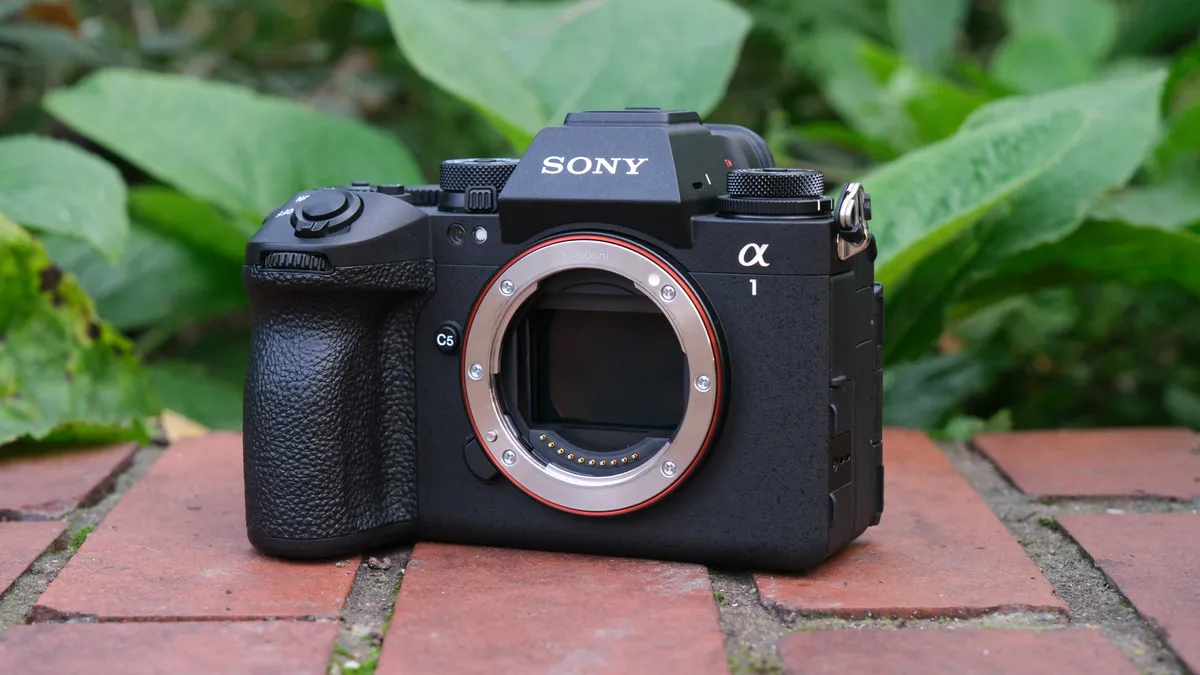
The Sony A1 II is one of the most capable professional cameras available, combining exceptional image quality, rapid performance, and Sony’s most advanced autofocus system. It is an evolutionary update rather than a complete reinvention, borrowing several features already seen elsewhere in the Alpha range, but those improvements are enough to keep Sony’s flagship competitive.
Its 50.1MP full-frame sensor continues to deliver outstanding detail and dynamic range, while the improved in-body image stabilization makes handheld shooting more dependable. The most significant upgrade, however, is the automatic subject-recognition autofocus. The camera can identify and track different subjects with very little input from the photographer, making it faster and more intuitive for sports, wildlife, news, and documentary work.
For photographers who need to demonstrate the origin and authenticity of their images, the A1 II also supports C2PA-based Content Credentials through compatible firmware and workflow. The Sony A1 II is one of the first cameras to offer C2PA for video as well as stills. Sony offers a basic C2PA certificate at no additional charge, but the Digital Signature Upgrade License – which includes video licenses – is a paid feature built for newsrooms.
The biggest obstacle is its price. Rival flagship cameras now offer similarly impressive speed, autofocus, and image quality for considerably less. Even so, the Sony A1 II remains an exceptional professional tool, particularly for photographers who need one camera capable of handling almost any subject while also supporting a verifiable image-provenance workflow.
Read our full Sony A1 II review for more details
Honorable mentions

How to choose the best C2PA-enabled cameras?
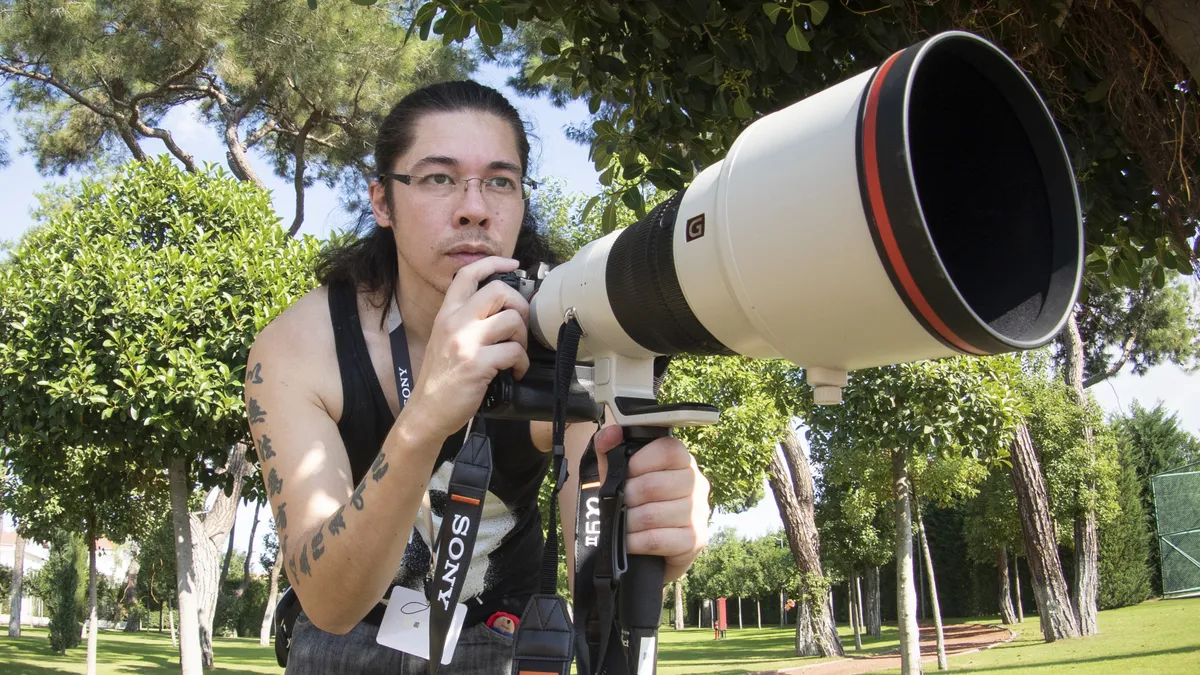
Choosing the best C2PA-enabled camera should begin in much the same way as selecting any other camera: consider what you actually intend to photograph. A photojournalist may place greater importance on speed, autofocus performance, and durability, while a portrait or commercial photographer may prioritise resolution, colour depth, and studio connectivity. Content Credentials are an important feature, but they should enhance the camera’s overall capabilities rather than compensate for weaknesses elsewhere.
It is also important to check exactly how C2PA support is implemented. Some cameras may require a firmware update, additional software, or a specific workflow before Content Credentials can be attached and preserved. You should also consider whether the editing software you use can maintain the provenance chain, particularly if you regularly crop, retouch, process, or export images before publication.
How we test cameras
When I test a sports camera, I don’t waste time shooting brick walls or static landscapes – I take it straight to the action. Whether it’s courtside, ringside, or trackside, I put these cameras through real-world sports scenarios to see how they perform under pressure. Sometimes that means shooting pick-up games at the local rec center, and other times, it’s photographing elite Olympic athletes. No matter the level, the goal is the same: to push these cameras to their limits.
I stress-test autofocus, burst shooting, buffer depth, and battery life, capturing both stills and video. I shoot in bright outdoor conditions and dimly lit indoor arenas to see how the ISO performance holds up and whether the autofocus can track fast-moving subjects in tough lighting.
Once I’m done, the cameras go to our lab manager, Ben Andrews, for rigorous scientific testing. Using Imatest Master and DxO Analyzer, he evaluates:
1. Resolution (ISO-12233) – We use an Applied Image ISO-12233 resolution chart to determine the camera’s vertical resolution at the center of the frame. The higher the value, the sharper the detail.
2. Dynamic Range (DxO Analyzer) – This measures the camera’s ability to retain detail in highlights and shadows. We use DxO’s transmissive chart, which allows testing up to 13.3 stops of dynamic range.
3. Noise Performance (DxO Analyzer) – Using the dynamic range transmissive chart, we analyze the signal-to-noise ratio for both raw and JPEG files across all ISO settings. A higher value means cleaner images with less noise.
By combining real-world field testing with controlled lab analysis, we ensure these cameras are truly ready for the fast-paced demands of sports photography.
FAQs
What does C2PA actually do in camera?
When a C2PA-enabled camera captures an image, it creates a digitally signed manifest and embeds it within the file before it leaves the camera. This record can include information about the device used, the time the photograph was taken, and other basic capture details.
Because the manifest is protected cryptographically, any subsequent changes to the image can be recorded or identified. Compatible editing software, including Adobe Photoshop and Lightroom, can preserve the provenance chain by adding new entries that document adjustments such as cropping, colour correction, or retouching, along with the application used to make them.
The result is a traceable history that helps viewers verify where an image originated and understand how it has been edited or processed since the moment of capture.
Is C2PA different across different camera brands?
C2PA is an open technical standard designed to record the origin and provenance of digital images. Because it is not tied to a single manufacturer, it can work across supported cameras, editing software and publishing platforms, allowing viewers to check an image’s Content Credentials even when different brands and applications have been used throughout the workflow.
However, manufacturers do not all implement C2PA in exactly the same way. Sony, for example, can incorporate 3D depth information into its authenticity system, helping to prevent someone from simply photographing an AI-generated image and passing it off as an original camera-captured photograph with valid credentials.
Some Leica cameras take a slightly different approach by incorporating dedicated hardware into the process. Rather than relying entirely on software, a secure chipset is used to add C2PA-based credentials to images at the point of capture, helping to make the provenance information more resistant to alteration or tampering.
It is also worth remembering that not every C2PA-related feature is necessarily included in the price of the camera. Canon, for example, offers a C2PA-based Authenticity Imaging System aimed primarily at journalists and publishers that requires paid activation. Sony provides a basic license at no additional cost, but also offers a Digital Signature Upgrade License designed for professional newsroom workflows that requires separate activation.
Which cameras are currently have C2PA?
Current compatible cameras include…
Canon EOS R1
Canon EOS R5 Mark II
Fujifilm GFX100S II
Fujifilm X-T50;
Leica M11-P,
Leica M11-D
Leica SL3-S
Leica SL3-P
Sony A1
Sony A1 II,
Sony A7 IV
Sony A7R V
Sony A7S III
Sony A9 III
Sony FX3
Sony FX30
Sony PXW-Z300
