



I’ve got a love-hate relationship with pre-made presets and filters. On the one hand, they can prevent photographers from finding a unique editing style, and on the other, they’re an incredible force for good. Let’s get the negative bit out of the way first.
Everything looks the same
My biggest problem with pre-made presets and filters is that they can make people’s work look tonally very similar and also allow photographers to avoid learning how to edit their images altogether. Now, I’m not saying you absolutely have to edit your images, but I do think editing brings about an extra layer of creative agency. If you learn to edit, you suddenly have another avenue of creativity to go down if you so wish.
As for tonally similar images, I guess the same could be said for film. Beyond a little darkroom trickery, Kodak Portra 400 looks like Portra 400. And of course, there is much more to an image than just tones. So, what about the benefits?
Presets can be proactive

Perhaps the biggest benefit of using ready-made presets is that they allow you to spend less time sitting at a computer and more time out and about with your camera. They can also remove what I think of as a kind of editing anxiety – the need to create the ‘perfect’ edit every time. This can lead to overediting, which in turn results in even more time spent at a computer and less time out and about with a camera.
Becoming proficient at editing can also cause you to become a little lazy when taking photos, relying on the edit to manage the exposure, sharpening softness or heavily crop compositions. This is especially true when shooting with pliable RAW files. Presets and filters are applied to JPEGs, so they’re also a great lesson in exposure discipline, because if you get it wrong, you’ve got limited wiggle room in post in which to save the image.
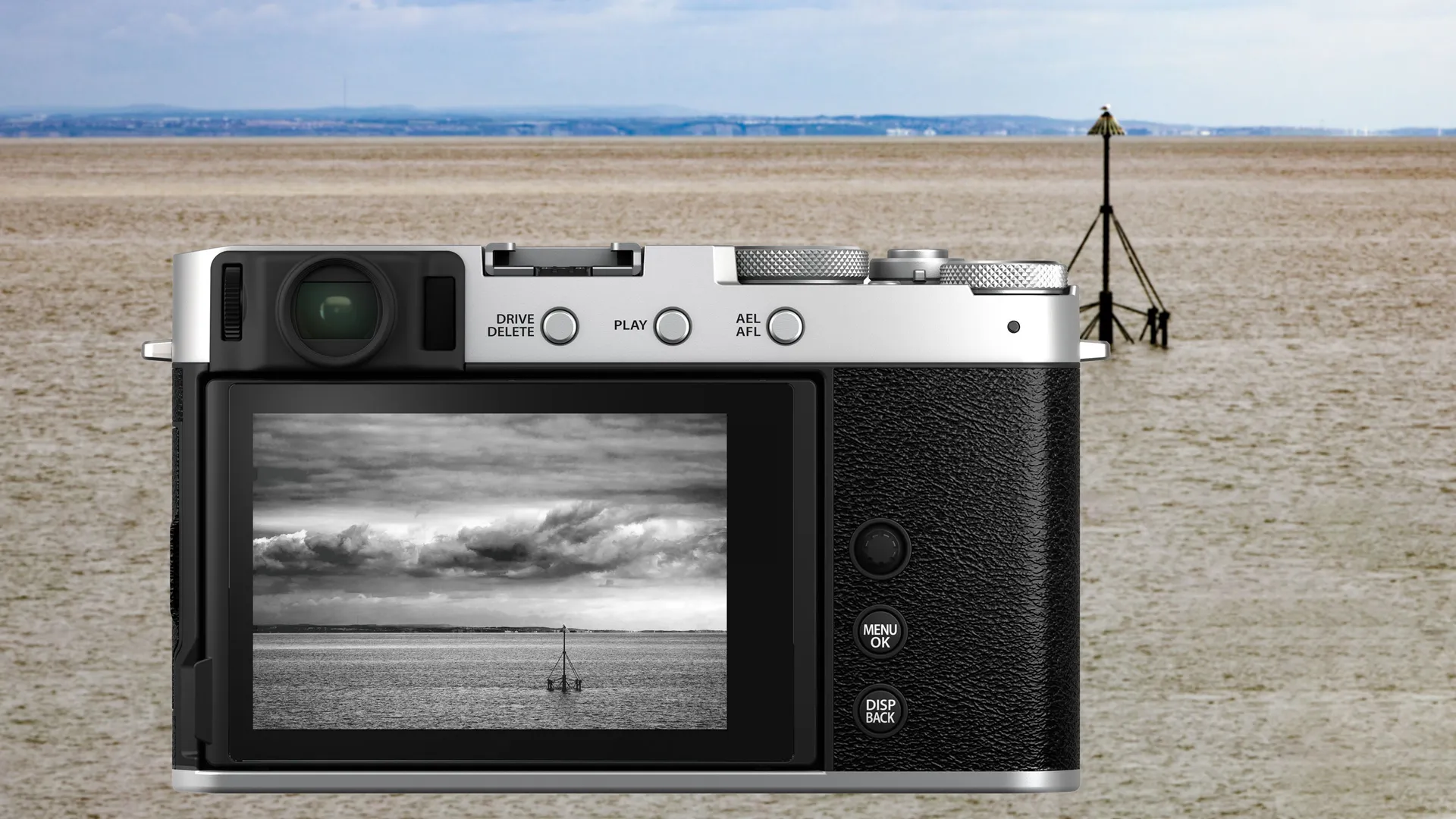
Presets and filters can also boost your confidence. This is especially useful in the era of the EVF. You can see exactly what the scene in front of you will look like with a filter applied, and this can be a real confidence booster, because the images you are capturing in real time give you instant feedback and they look good. Another upshot of this is the ability to take images straight from your camera and upload them to online galleries or social media.
The recipe middle ground

Thankfully, there’s a middle ground. Most camera manufacturers such as Fujifilm, OM System and Nikon now allow you to edit filters to create what the industry calls recipes. This means you can start with a base filter and tweak various tonal qualities such as contrast and saturation to meet your own requirements.
This means you don’t need to spend hours in an editing suite, but can cultivate your very own look that you can apply to every photograph you take. Often, photographers think that they have to shoot RAW. And while I think it’s a great idea to shoot RAW+JPEG, so you have the backup files should you ever get into bespoke editing, recipes are a great middle ground that can boost your confidence and, more importantly, keep you taking photos.
You might also like...
Take a look at the best Fujifilm cameras and the best retro cameras. Plus, here's the latest camera news.

