
The foldable iPhone Duo may have stolen much of the limelight at the iPhone 18 launch event, but Apple was also keen to show off its new variable aperture lens that fronts the primary camera in the iPhone 18 Pro and Pro Max. Along with a new 48MP sensor, it's made this "the most advanced camera Apple has ever made".
The camera can automatically select an aperture setting depending on whether a faster shutter speed or greater depth of field is to be prioritised, or users can manually chose between four aperture settings in the Camera app. The aperture diaphragm is comprised of six laser-cut blades controlled by a new rotor mechanism, which apple states will smoothly transition between f/4 and the maximum f/1.48 aperture.
It all sounds mightily impressive, but it raises a couple of questions: why don't all high-end camera phones have a variable aperture camera lens? And considering these lenses are nothing new, why has it taken so long for Apple to embrace this technology?

Firstly, though variable aperture lenses aren't common in camera phones, the iPhone 18 Pro is far from the first phone to use one. In 2022 Huawei gave us a variable f/1.4-f/4 aperture lens in its Mate 50 Pro, and Xiaomi used a similar variable aperture a year later in its flagship 14 Pro handset. Even back in 2018 you could have had a dual-aperture camera lens, courtesy of the Samsung Galaxy S9/S9+. And yet despite the technology clearly being viable for years, it's yet to become the norm in the camera phone sector.
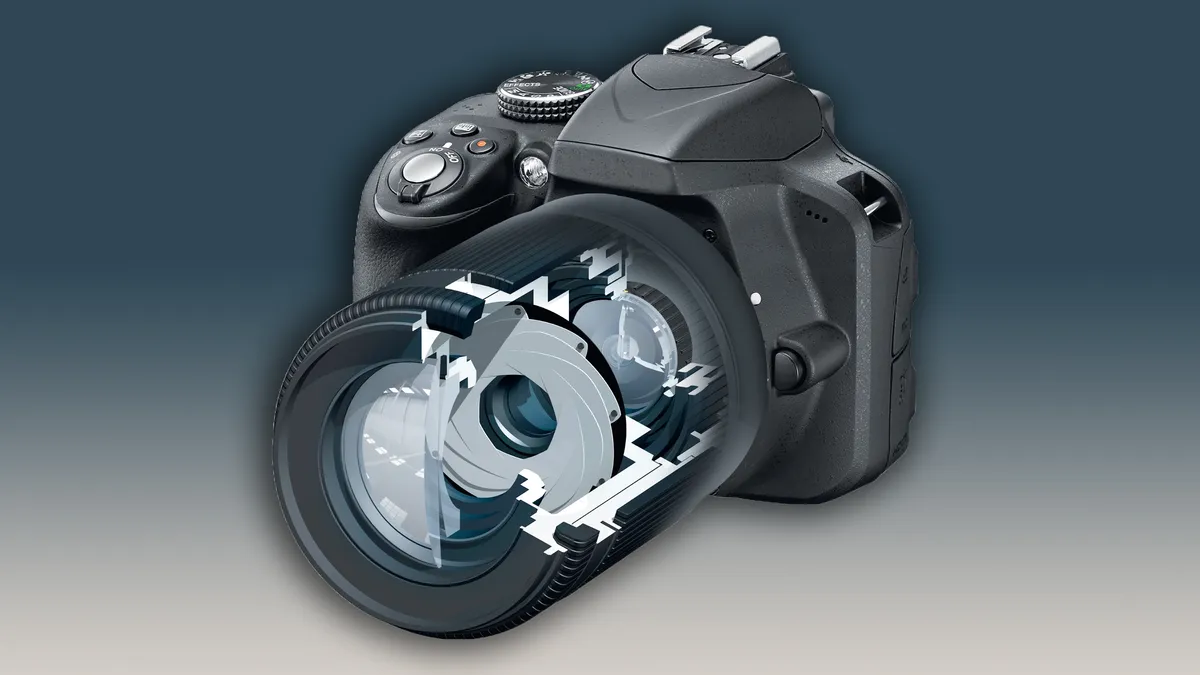
There's actually good reasoning for this. A variable lens aperture is essential in a lens designed for a conventional, large-sensor camera like a full-frame DSLR or mirrorless body. This is because the larger the sensor, the shallower the depth of field at a given aperture. With a full-frame camera, if you want a subject close to the camera and a distant background to both be in focus, you'll need to significantly reduce the lens aperture. But shrink the sensor down to the size of a typical camera phone sensor - 1/1.28", in the case of the iPhone 18 Pro - and, even at the lens' f/1.48 max aperture, there'll still be a huge depth of field.

So if a camera phone is inherently good at producing a deep depth of field, there's little reason for having a lens with a variable aperture. You may as well fix the aperture to be as large as possible to get the maximum amount of light through to the sensor, thereby keeping shutter speeds high and ISO sensitivity low - the ideal recipe for sharp, low-noise shots.

Apple is keen to show off the benefits of a variable aperture lens in its press material for the iPhone 18 Pro, with several sample images demonstrating how the new lens can give you the best of both worlds: a wide aperture for better low light image quality, and a narrower aperture for when you want a greater depth of field to keep subjects at different distances in focus. It sure looks impressive from the press material, but having reviewed camera phones for many years and seen just how much depth of field you can get from a large aperture, I’ve almost never wished I had the ability to stop down.

And this may answer the question of why Apple hasn't seen fit to use a variable aperture lens sooner. This isn't cutting-edge tech - it could have implemented it years ago - and yet it didn't. Could that be because Apple also knows that this really isn't a game-changer for camera phone image quality? I can only speculate as to why it's now chosen to incorporate this tech into the iPhone 18 Pro and Pro Max, but my best guess is that at least it represents some form of hardware improvement, even if the real-world benefits may be marginal. In a world where most phone camera 'upgrades' now come in the form of AI, Apple likely needed to do something different to stand out, and a variable aperture lens, if nothing else, is indeed different.

