





Dedicated black-and-white cameras eliminate the color filters for a cleaner, crisp monochrome image. But one color scientist and cinematographer has just reverse-engineered the iPhone camera to create a fully monochrome 16-bit RAW photograph.
Koloristika is an iPhone photography app built from scans of every available type of Kodak film. The app eliminates Apple’s entire processing pipeline – including sharpening and AI upscaling – to create a 12MP photograph with nostalgic colors in an editable RAW photograph.
For the first time, Koloistika has launched a new black-and-white mode, called Monolith, that works at the sensor level. Monolith isn’t a filter – the monochrome iPhone camera mode instead reverse-engineers the iPhone’s camera to create a 16-bit RAW file that, like the files from a dedicated black-and-white camera, is entirely in monochrome.
I sat down with the app’s creator, color scientist and cinematographer Renato R. Renieera, ahead of the launch for an exclusive interview – and tried out the pre-release build for myself.

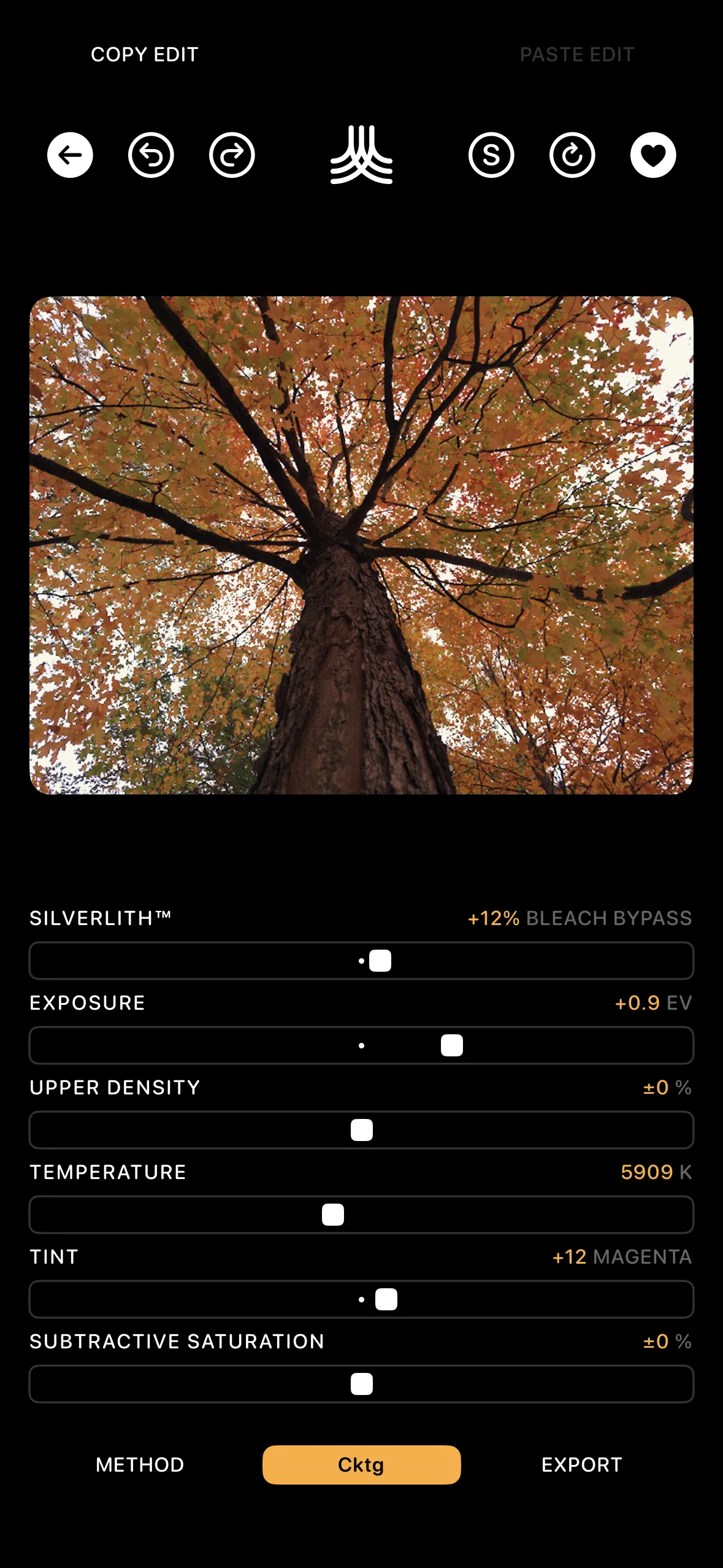
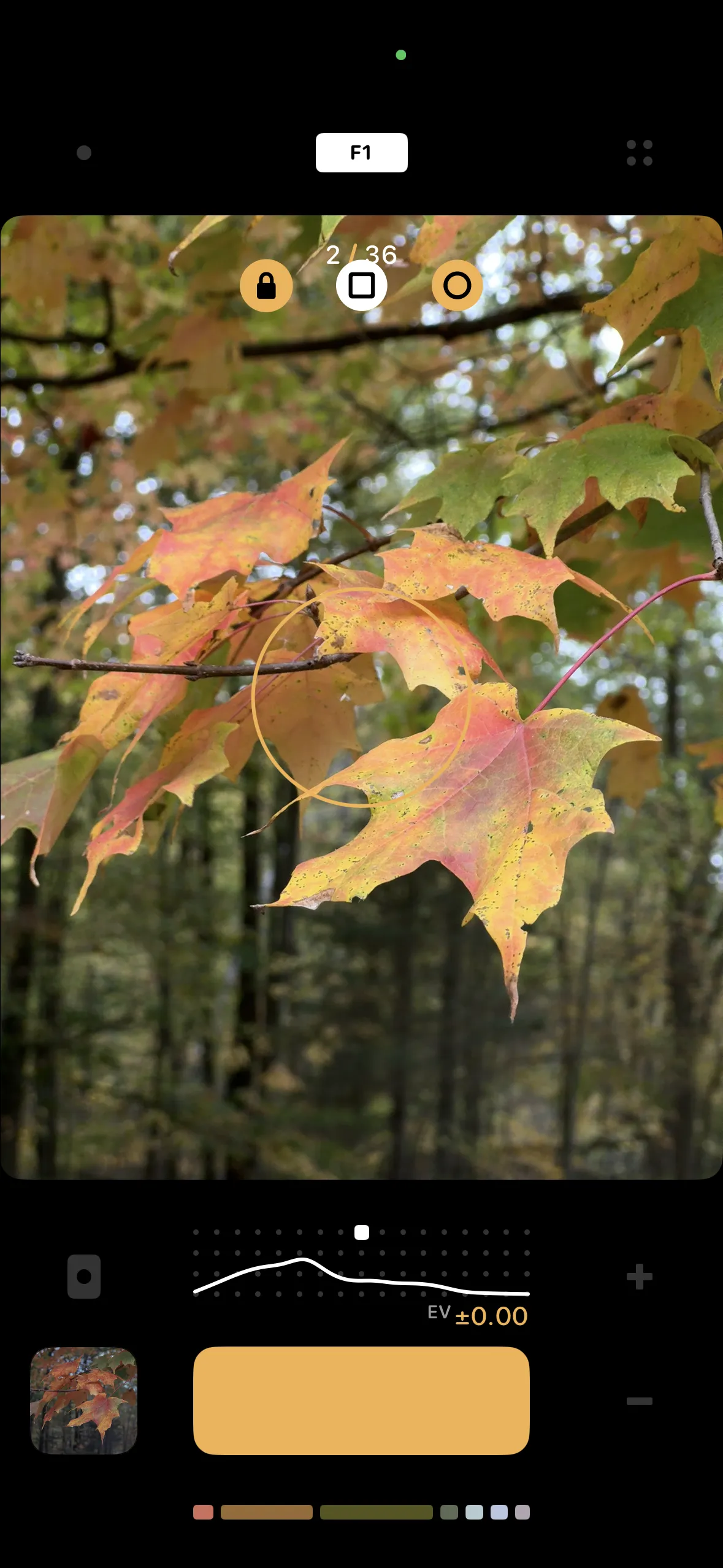
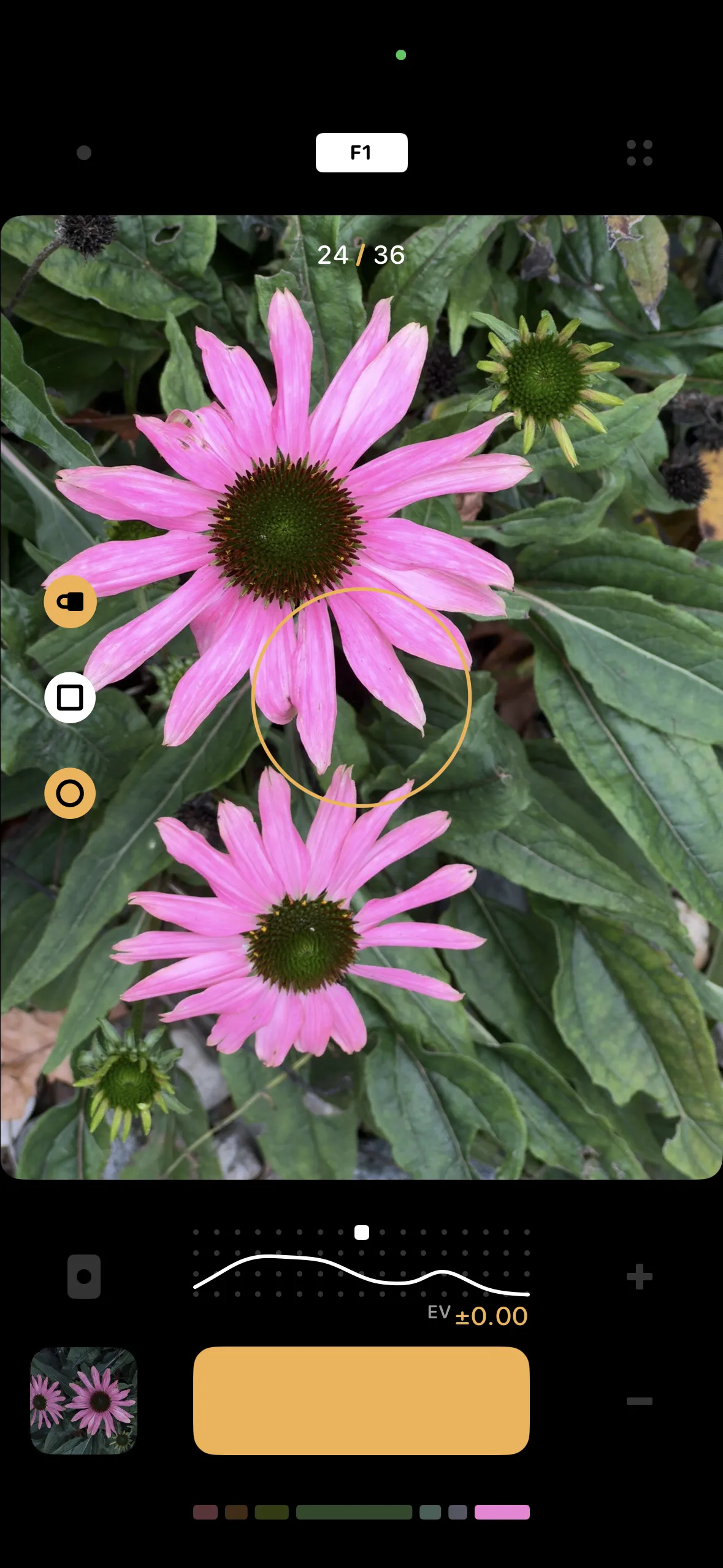
The new Monolith takes the iPhone’s color sensor and rebuilds the image as a monochrome digital negative. Rather than simply eliminating the color data, – a process that usually results in artifacts – Monolith uses the data on the sensor design itself to reconstruct the image in black-and-white.
“Every sensor is essentially black and white,” Renieera explained. “The Bayer data that we get from Apple is not color data, it is just a measurement of white light through a red, a green, and a blue filter.”
“The easy logic would be to take the engineering data from the sensor manufacturer and nullify the filters, and you would get some type of black-and-white image,” he continued. “That was always a good idea and is a simple approach, but you can get checkerboarding, artifacts, all kinds of problems.”
Koloristca’s new Monolith reconstructs the data rather than simply subtracting some of that data. “We tried to approach it from a different angle,” Renieera said. “If 50 percent of the image is already green, we can reconstruct the rest from the red and blue filters. That’s quite easy. It is processor-intensive, but with some clever mathematics, we can assemble an image with no artifacting from that data. The concept was always there; it just had some engineering problems, and it’s probably why it wasn’t approached.”
The resulting image is a fully monochromatic 16-bit RAW file. Like the color photos from Koloristika, Monolith doesn't use any of Apple's processing at all – which means every photo taken on an iPhone launched since 2016 is 12MP, as the app doesn't use upscaling from the iPhone's Quad Bayer design.
I shot a few photos with Monolith, then I compared them to the same photo shot with the native iPhone camera app with a filter added. Apple’s already-processed JPEG had more contrast right from the start, but Monolith’s adjustable RAW data is far more customizable.


The native iPhone camera has a higher resolution, thanks to upscaling. But the Monolith photographs have a more natural grain structure. Zooming in on the background, the filtered iPhone photo background looks a bit mottled, whereas Monolith looks like it has the grain of a more traditional photograph.
Koloristika is an iPhone camera app built for color nerds, but the app is also gaining traction among iPhone users looking for a more classic, traditional image – without any AI-based processing.
Koloristika processes the image using its own algorithms through every step. The app processes the image not just with color science based on real Kodak film scans, but also skips Apple’s sharpening and HDR algorithms. The resulting images feel made for those who think iPhone photos look “too crunchy.”
“We all know the plasticky, over-processed look of iPhone,” Renieera said. “Deleting all of that processing gets to our own color and the pipeline, without touching any of the sharpening, without AI upscaling. We package the color in our own organic way."


Renieera said that what often hooks users on the app is when they see photos of themselves shot with Koloriska’s color science. “I think people get the idea of Koloristica as soon as they see themselves, how they turned out on the camera, and they do get a nostalgic feeling from the model. I believe it's obvious that it's different from an Instagram filter or VSCO filter. Most of our user reviews on the App Store, everybody mentions exactly that: how they haven’t seen that type of organic color for a while.”
Koloristika’s focus on color is evident right from the live view screen, which displays the photograph’s color palette. Taking a photograph delivers a soft buzz meant to feel like an old film camera shutter.
Along with the Kodak-based color science and new black-and-white mode, Koloristika also includes a Silverlith slider modeled after bleach bypass and a double exposure tool that creates a RAW rather than a JPEG from two photographs.
The Monolith mode is launching to the Koloristika app beginning October 14 and is available from the App Store. The app is free to try with a 36-photo trial – the same number as one roll of film. The full app is available for $2.99 / £2.99 /AU$4.99 / CA$2.99 a month or $19.99 / £19.99 / AU$29.99 / CA$24.99 a year.
You may also like
Read more about the magic of fully monochrome RAW files with the best black-and-white cameras.

