
I recently wrote an article condemning a misleading UK government pamphlet for asylum seekers released by the Home Office that says you shouldn’t photograph or video anyone in a public space without their permission or risk being arrested. This is because UK law does not prohibit the capture of images in public places. That said, there are exceptions, including image capture for commercial use and behaviors that stray into other unlawful activities such as, but not limited to, harassment.
But photography in public places remains a contentious subject. It’s not uncommon for photographers to be approached in public spaces and told they’re breaking the law. And the aforementioned pamphlet is doing nothing to quell this misinformation.
What I’ve always found interesting about taking photographs in public places is the disparity between camera phones and dedicated cameras. In my experience, people are inherently more suspicious of a highly visible, dedicated camera than they are of a phone. And the bigger the camera, the more suspicious they get.
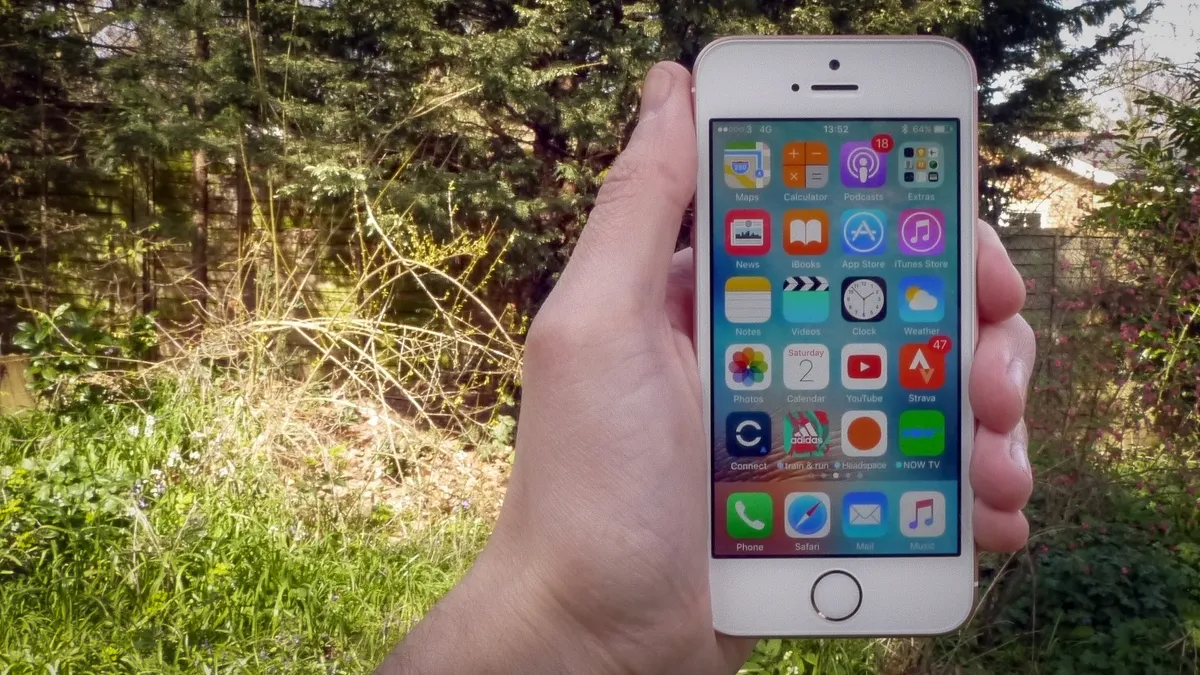
Said suspicion is arguably misplaced. Let’s take the unlawful act of upskirting as an example. According to Nelson Guest & Partners Solicitors, a mobile phone is the most likely tool used to commit such offences, while a Crown Prosecution Service press release from 2021 also references the use of hidden cameras. This makes a lot of sense. If you’re up to no good, the last thing you want to do is draw attention to yourself.
So, if you’re new to street or travel photography, or have had a bad experience in the past, let me talk you through how I like to operate. At the end of the day, you cannot control how somebody reacts to your camera completely, but there are a few things you can do to help minimize the chance of a confrontation or quell it should it ever happen.
Street photography mindset and etiquette
I don’t like having my photo taken, so I try to be mindful about how the camera or the photograph would make other people feel. Although it’s legal to take photos in a public place in the UK, I think all photographers have a responsibility to behave in the best way possible.
I’ve said it before, but I’m no fan of the Bruce Gilden method, where you invade the subject’s personal space and get the shot. There’s arguably no entirely ethical practice for street photography, but for me, it’s about being as mindful and unexploitative as possible.
I don’t want the subject to appear or feel vulnerable. Whether the photograph is candid or not, you’re the one with the image, so it’s up to you to decide whether or not it should see the light of day. I would never photograph somebody crying, for example. Sometimes, you can just tell if somebody is happy to have their photo taken or not. If you’re getting the wrong vibe, don’t take the photo and move on.

Speaking of vulnerable persons, although it’s technically not illegal to photograph a minor in a public place, I tend to avoid it. The only exceptions would be if a parent has asked for a photo, or if the child is either too small in the frame or too obscured (like a silhouette) to be identified.
I also want there to be a reason why the photograph exists. For example, I will occasionally shoot from the hip as people walk past. I used this technique during a recent trip to New York City. Most of those images won’t ever see the light of day because they’re not saying anything. But the one that I did keep was of a man walking past with a New York City t-shirt. That t-shirt places the image and kind of becomes the star of the photo.
Staying positive and avoiding confrontation
In a lot of my street shots, subjects are turned away or simply too far away to be recognized, which I never have a problem with. However, another method I use is to simply make my presence very obvious by looking through the viewfinder. This gives people the opportunity to veer away or interact with the camera.
I was taking photos at a crossing, and this young woman walked into the frame and, upon seeing me with my camera, started smiling and threw up the peace sign. Clearly, she wasn’t deterred by the camera at all. Similarly, I once had a cyclist flip the bird with a cheeky smile as he flew by; unfortunately, I missed the shot, but it would have made a great photo.

Another neat method is to set up your frame and simply allow passersby to walk into it. They’ll soon veer off if they’re not happy. I also refrain from lingering too long. A lot of people are happy for street photographers to take a picture or two, but you don’t want to overstay your welcome.
And it might seem like a small thing, but you’d be surprised what a difference it makes if you capture street photography with a smile. If I look like I’m having fun, and people can see that I’m an enthusiast photographer, they tend to relax.
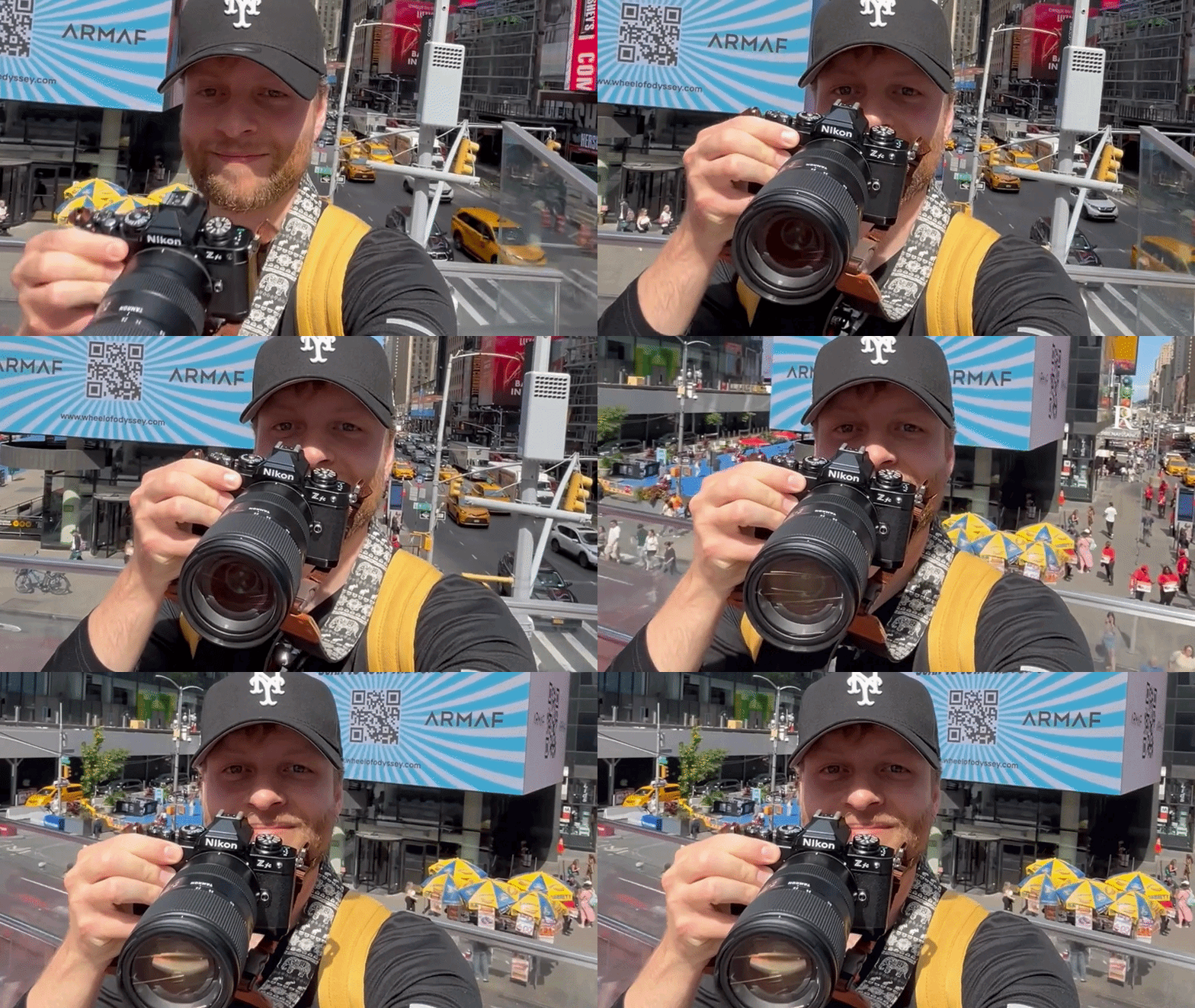
Finally, on those occasions where I have been approached, I always remain cheerful and calm. In my experience, telling somebody point blank that it’s not illegal to take photographs in a public place in the UK doesn’t help. In fact, it risks making matters worse. I prefer to engage with people as politely as possible, explain that I’m a hobbyist photographer, and talk to them about what I’m doing.
I’ll even show them some photographs on my Instagram or ask them if they take photos themselves. Usually, this is effective because most people just want to make sure your intentions are good. If a person does persist that they’re not happy or approach you in anger, it’s always best to simply swallow your pride, apologize and walk away. No photograph is worth putting yourself in harm’s way, and you’ll find plenty of other photographic opportunities around the corner.
This article provides general advice for photographers and does not constitute formal legal counsel.
You might also like...
Want more photography tricks? How to get started in street photography. Plus, here's the best camera for street photography and the best compact cameras.

