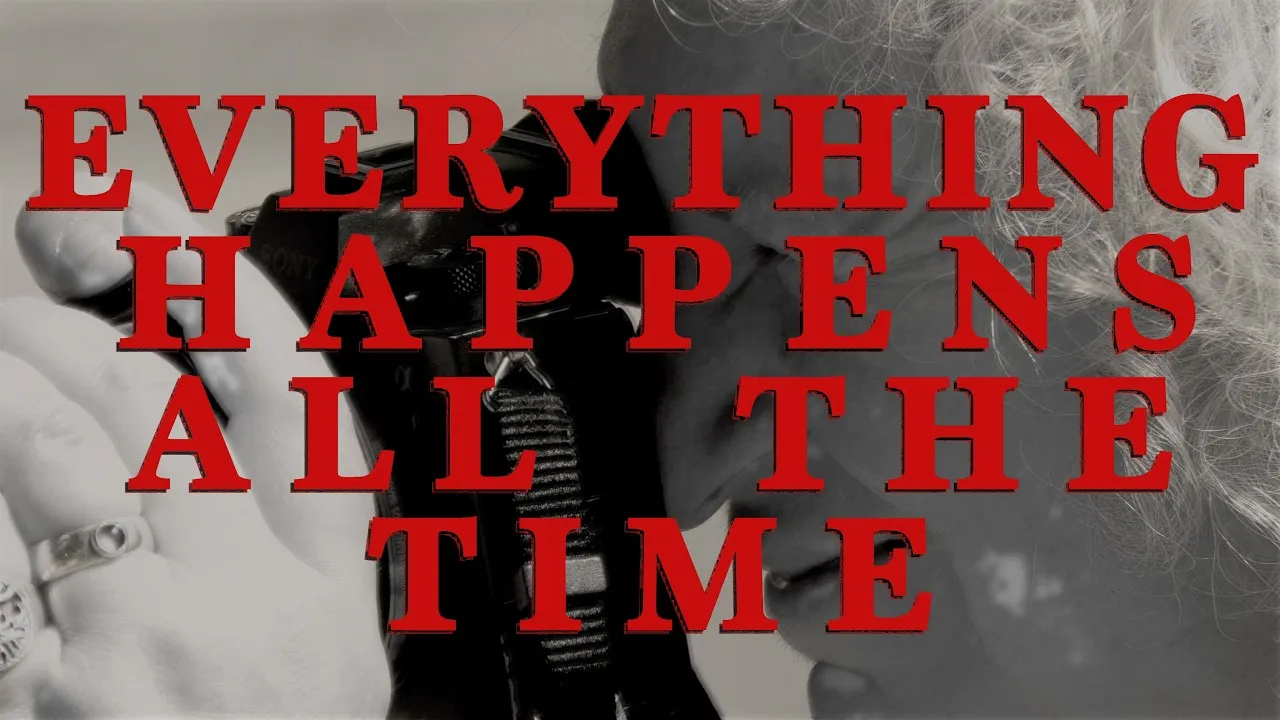
Simon King’s new feature-length documentary Everything Happens All The Time might be one of the most important films about street photography to emerge from London in years. King is a documentary photographer whose work is rooted in observing everyday life, human behaviour and the fleeting moments that so often pass unnoticed, with the streets of London providing much of the theater for that approach.
His photography sits firmly within the tradition of social and observational documentary work, where the value of an image is often found not in perfection, but in what it manages to preserve about a particular place, person or moment in time. That makes Everything Happens All The Time particularly interesting, not necessarily because it attempts to explain what street photography is, but because it captures what the genre looks like right now.
Released online on September 17, the free-to-watch 1-hour-45-minute documentary brings together 27 photographers working across street photography, documentary, photojournalism, and more experimental interpretations of the genre, combining their conversations with photographs and footage made across London.
The result feels less like a traditional photography documentary and more like a snapshot of an entire photographic community at a very particular moment in time.
You can watch the full documentary below:
Street photography has always been a slightly strange pursuit when viewed from the outside. Spending entire days walking around a city looking at strangers, gestures, coincidences, shafts of light, peculiar expressions and fleeting interactions can sound obsessive, intrusive or, frankly, a little weird.
One photographer in King’s film admits how easy it is to forget just how niche the practice remains, pointing out that while photographers worry about originality and whether they are copying one another, most people have probably never seriously considered a candid photograph made on the street. Yet that apparent weirdness is arguably exactly where much of the genre’s value lies. These photographers are looking at things the rest of us routinely walk past, and recording a version of London that official photographs, tourist imagery and carefully staged commercial work rarely capture.
What King’s film communicates particularly well is that London street photography in 2026 is no longer simply about somebody wandering around Soho with a small camera hoping for a visually amusing coincidence. There are photographers documenting protests, communities, families, loneliness, humour, subcultures and ordinary interactions between strangers.
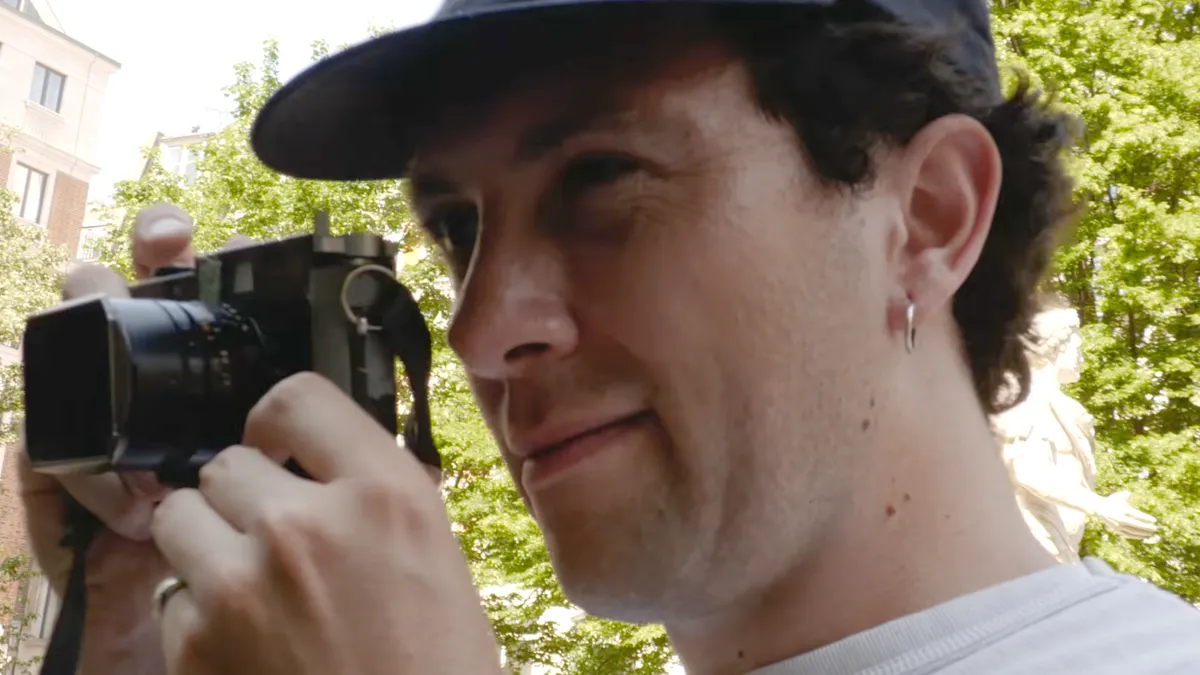
Others are interested in color, light or the surreal moments that appear for a fraction of a second before disappearing forever. The common thread is observation, and London provides almost unlimited material. One contributor describes the city as somewhere filled with people from vastly different backgrounds, while another talks about photographing the city not through red buses and recognisable landmarks, but through the people who occupy it. In that respect, these images increasingly become less about what London looks like and more about what living in London actually feels like.
There is also an interesting professional tension running through the film. Street photography is sometimes dismissed as hobby photography, particularly in an era when virtually everyone carries a capable camera in their pocket, yet the instincts developed on the street can translate directly into serious documentary and photojournalistic work.
One photographer featured in the documentary explains that they have only this year begun working for Getty after spending four years trying to get a response, while also noting that younger photographers they once knew from the streets have gone on to work for major press organisations.
That journey says something significant about the genre. What might initially look like someone strangely photographing strangers on Oxford Street can actually be the development of a distinctive documentary eye: learning anticipation, human behaviour, composition and, perhaps most importantly, recognising when something happening in front of you matters.

Perhaps the most fascinating part of Everything Happens All The Time, however, is thinking about these photographs not today but decades from now. Towards the end of one conversation, a photographer wonders what everyone will think when they are old and looking back at the pictures they are currently making, eventually arriving at a beautifully simple conclusion: they have documented London in the 2020s. That might ultimately be the real significance of this entire movement.
Clothes that appear completely ordinary today will eventually become period fashion, advertisements will disappear, buildings will change, communities will move, businesses will close, and even the mundane ways people hold their phones, travel on the Underground or interact with one another will begin to look unmistakably historical. The photographs being made casually around London today could become some of the images future generations use to understand what this period actually looked like from pavement level.
King has therefore created something considerably more interesting than a film about photographers taking pictures of strangers. Everything Happens All The Time captures a community that is simultaneously documenting London and documenting itself, complete with insecurity, obsession, missed photographs, friendships and the occasional suspicion that spending thousands of hours wandering around looking for one extraordinary fraction of a second might all be slightly ridiculous. Perhaps that is the point.
Street photography has always occupied an unusual space between art, social observation and historical documentation, and while some of these photographers may eventually publish books, exhibit internationally or find themselves shooting professionally for agencies such as Getty, the photographs could ultimately outlive all of those achievements. Right now they are photographs of everyday life. Give them 30, 40, or 50 years, and they may become something altogether different: a visual record of London as it really was.

