
An extraordinary image showing silhouettes of frigatebirds flying beneath a dramatic sun halo has earned Canadian-based photographer Liron Gertsman another major accolade.
Previously recognized as the Bird Photographer of the Year, Gertsman has now won the Grand Prize in the United States and Canada contest at the Audubon Photography Awards with his striking image of magnificent frigatebirds.
To create the image, Gertsman used a wide-angle lens to frame the birds against a rare 22° solar halo – a natural phenomenon formed when sunlight is refracted through millions of ice crystals in high-altitude cirrus clouds.
United States and Canada: Grand Prize Winner
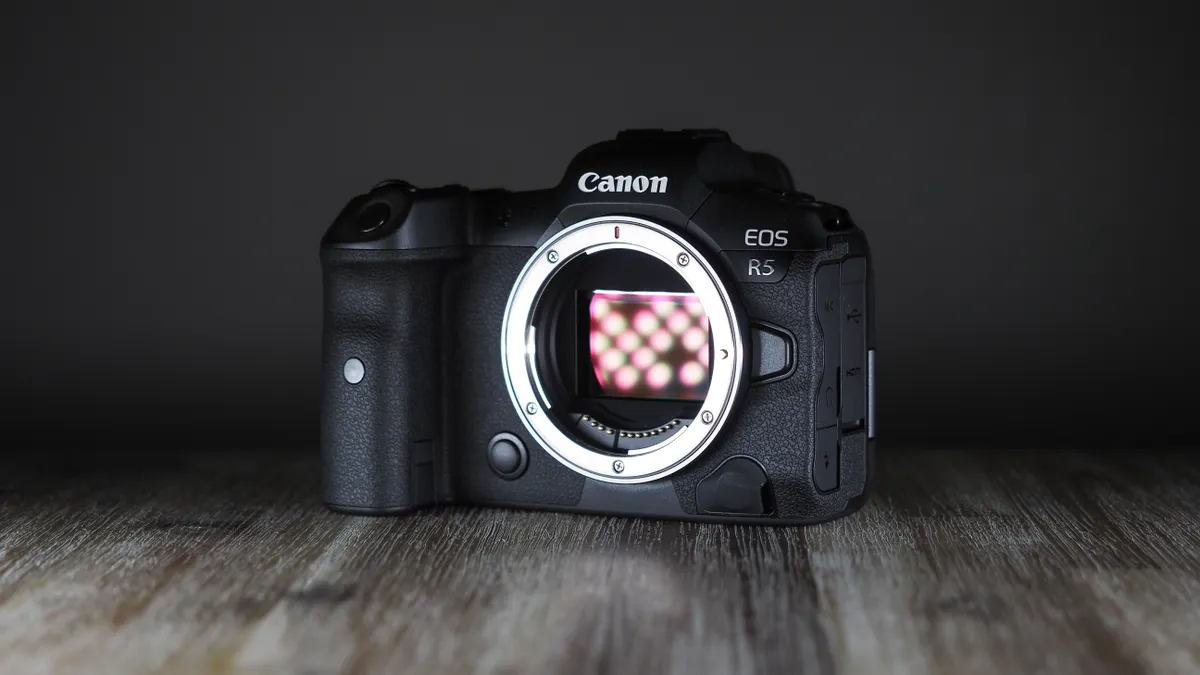
Image info
Species: Magnificent frigatebird
Image Location: Teacapán, Sinaloa, Mexico
Shot info
Gear: Canon EOS R5 + Sigma 14mm f/1.8 DG HSM Art (EF) and Canon Mount Adapter EF-EOS R
Exposure: 1/2500 sec, f/16, ISO160
Judge’s Take (Daniel Dietrich)
"This image immediately stood out in this year’s competition. The layers are deep, the silhouettes remarkable, and the whimsical, mystical feeling of the image is outstanding. Planning, timing and skill combined to make this a truly extraordinary moment captured in time."
The story behind the shot
Despite being true seabirds, frigatebirds are unable to rest on the ocean surface for long periods, meaning they can spend days or even weeks soaring over the sea in search of food.
Gertsman explains, "Frigatebirds are a common sight in many coastal towns in Mexico. As a kleptoparasitic species, they may look to steal a meal from other seabirds – or from local fishermen.
"I photographed these birds as they passed a stunning halo in the sky. These rings of light form when millions of tiny ice crystals in the atmosphere refract sunlight, often when there are high-altitude cirrus or cirrostratus clouds.
"I utilized a small aperture to ensure both the birds and sky would be sharp and to get a “starburst” effect on the sun in the middle of the frame."
You might also like...
Check out our guides to the best cameras for wildlife photography and the best lenses for bird photography and wildlife.
Looking for competitions to enter? Here are 10 global photo contests now open for entries from May to December.

