





Mesmerizing 4K video shows the Earth rotating, beneath some incredible views of the night sky. The five-minute video from Night Lights Films is a compilation of night skies captured from different locations. But what makes the timelapse footage so unusual is that a star tracker has been used to track the sky. So, instead of the Earth appearing fixed and the sky appearing to move, the sky is fixed and the Earth moves.
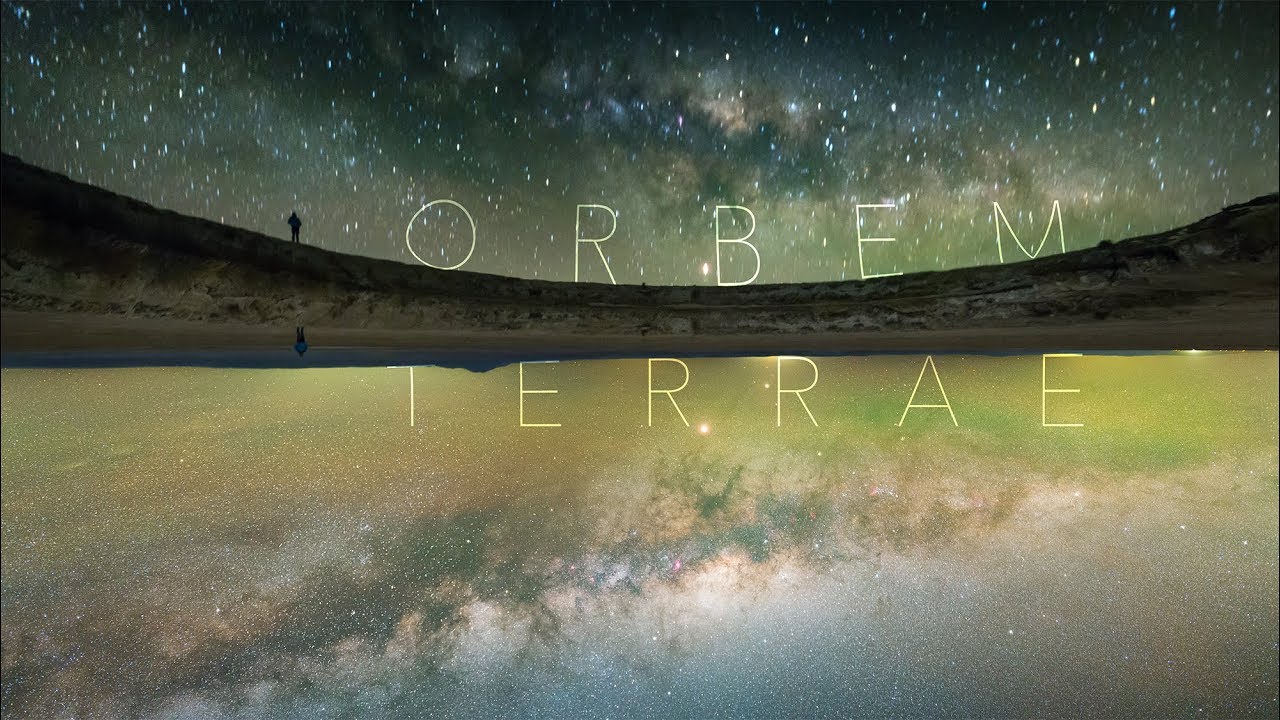
This is, of course, due to the planet’s rotation as it orbits the sun. But to us humans, standing on a rock, hurtling through space, the night sky appears to move around the Earth. As Night Light Films puts it: “That’s probably why it took so long for humanity to accept that the Sun was at the center of the solar system and not the Earth!”
What is a timelapse?
A timelapse is a series of photographs, captured at regular intervals, that can be combined to form a video that appears to speed up the passage of time. You can buy dedicated timelapse cameras, but most creators use existing mirrorless cameras or DSLR cameras. The video was posted in 2019, but at that time, Night Light Films divulged the kit that is used to capture its stunning timelapse footage.
The Sony A7S, Sony A7R III, and a modified (presumably for astro) Canon EOS 6D were the cameras used. While the Vixen Polarie Star Tracker Mount was used to track the sky and convey the Earth’s rotation. As for the photo-editing software used, it included Adobe Lightroom and Photoshop, along with the Timelapse+ STUDIO plug-in, and Final Cut Pro.
You might also like...
If you're interested in the night sky, here are the best telescopes and the best cameras for astrophotography. Plus, I got to shoot the Milky Way with the new OM System OM-3 Astro camera.

