
I was fortunate enough to see The Rolling Stones in 2018 and I can tell you that they didn’t need ‘deepfaking’ then. It would seem that 82 is just a number for Mick, in particular, who is known for being incredibly dedicated to maintaining his fitness so he can strut his stuff when the band goes on the road. So, when The Stones released the music video for their latest track In The Stars, I was somewhat surprised to find that they’d been digitally de-aged.
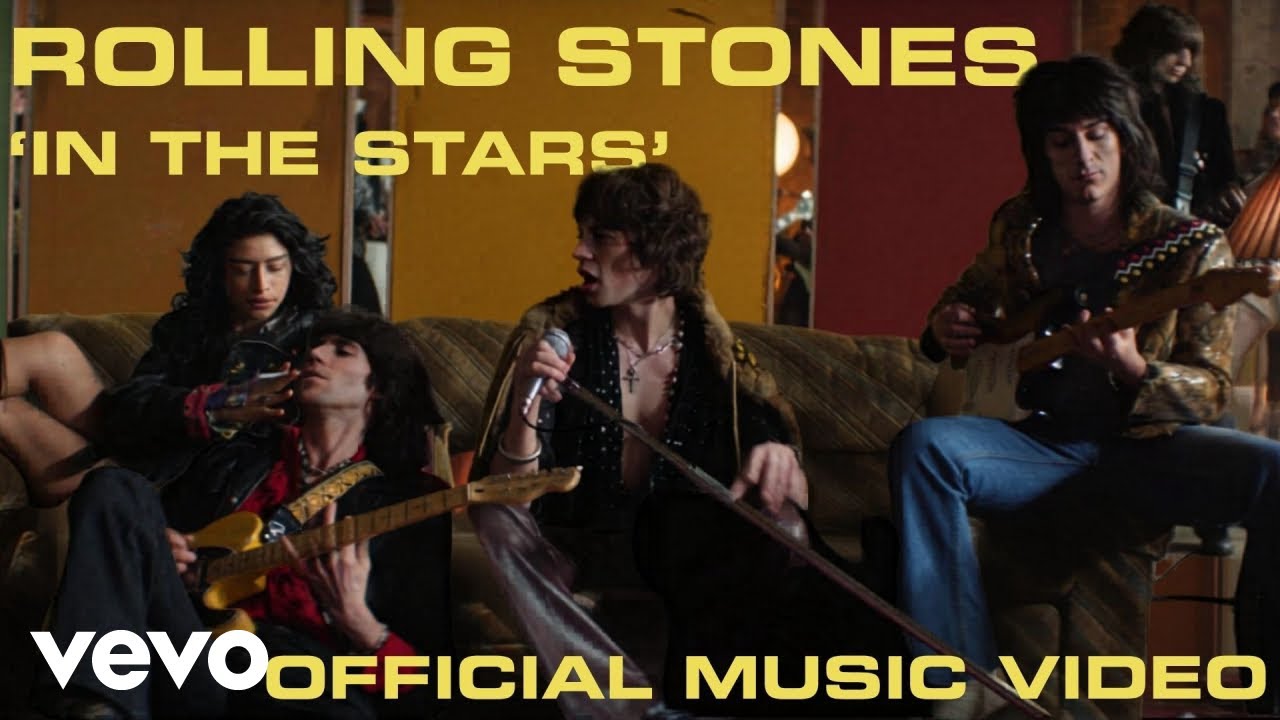
As a bit of a music nerd, I’ve been trying to figure out exactly what period the music video is set. Ronnie Wood joined the band in 1975 to replace the outgoing Mick Taylor, so I think the mid ‘70s is a safe bet. So, let’s get the not-so-controversial bit out of the way first. In The Stars is an absolute banger. It really does sound like a forgotten deep cut from the band’s heyday.
I was invested right from the opening piano riff and falsetto chorus of “oohs”, but when the video cuts to Keith picking up his famous butterscotch Telecaster ‘Micawber’, and Mick pouts “One, two, free, and…” I knew I was in for a treat. The punchy riff that kicks in afterwards, guitars right on the edge of breakup, transports you right back to the ‘70s. And you know what else does? The youthfulness of Mick’s face.
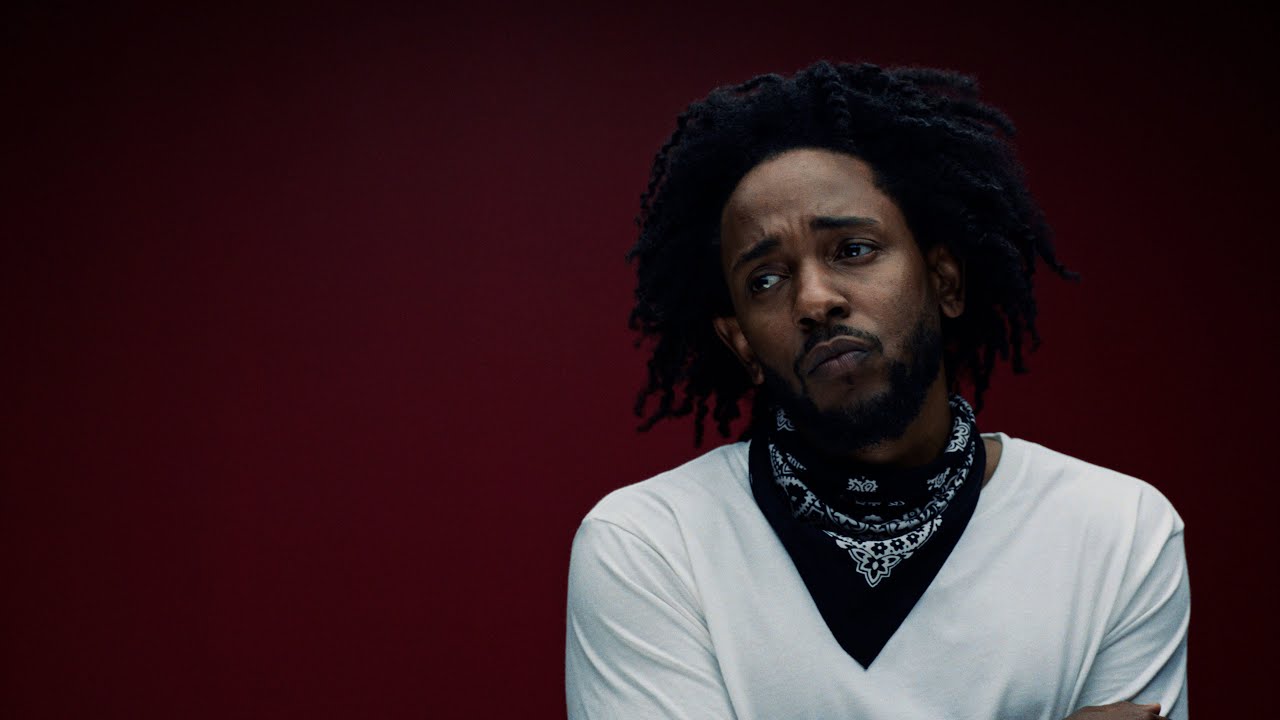
In the video, Mick, Keith and Ronnie have all been transported back in time via the power of deepfake technology from Deep Voodoo, founded by none other than Trey Parker and Matt Stone, the creators of South Park. This is the same technology that was used on Kendrick Lamar’s 2022 The Heart Part 5 music video, transforming the rapper’s face into various likenesses including OJ Simpson, Kanye West, and Kobe Bryant.
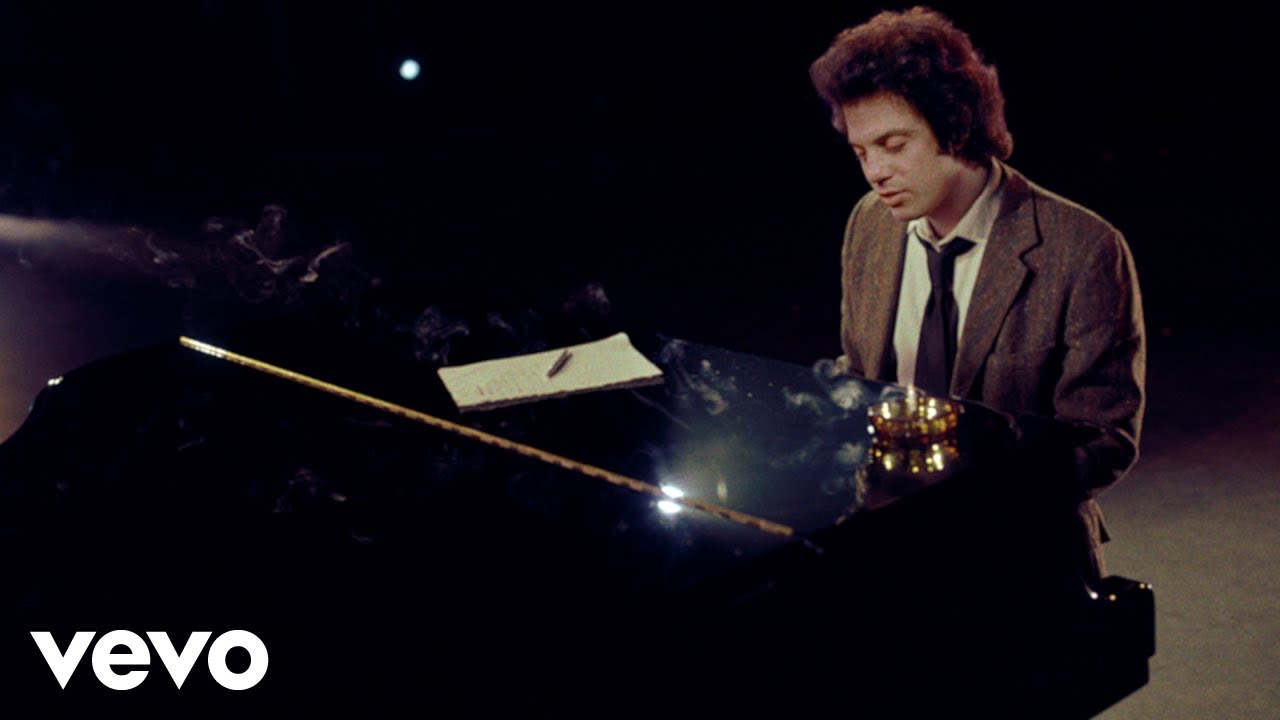
It was also used to de-age Billy Joel in his music video for his first song release in over 15 years, 2024’s Turn the Lights Back On. I'm not an animation expert, I don't know how these deepfakes were created, but Deep Voodoo describes itself as an "artificial intelligence entertainment startup" and AI is heavily used in deepfake technology.
Anything AI related is going to cause heated discussions and I’ve repeatedly stated that I’m no fan of many generative-AI uses. As much as I like Kendrick Lamar, superimposing other likenesses onto another person’s face just doesn’t sit right with me. However, in the case of both Billy Joel and The Rolling Stones, I find the usage to be less offensive.
Retaining the human element
Firstly, the deepfakes are depicting the artists themselves. They’re fully aware of what’s being done to their likenesses. And that’s important, because a huge ethical question mark hanging over genAI is the scraping of other artists’ works. However, these deepfakes aren’t sampling creative works to form a rival creative work, they’re reproducing the likeness of a person who already exists. To me, that hits differently than, say for example, if the videos depicted a stylized, animated cartoon.
Cartoons have art styles, they require concept artists, animators, etc, so I’d question where that deepfake is getting its artstyle from. As an aside, I couldn’t help but notice that the likeness of The Stones’ late-great drummer, Charlie Watt, has not been reproduced for the music video. Now, I didn’t know Charlie personally and I don’t know The Stones, so this is pure conjecture, but I can only assume this was intended as a mark of respect.
Another big reason why I’m less annoyed by this usage of genAI is that all three videos have one thing in common. They are all real. They weren’t simply created using a prompt. Judging by the long list of contributors including DPs, directors, makeup artists, actors, etc, there is a strong human element to these videos.
The deepfakery was applied to real footage of real people and captured in a setup designed and produced by real people. I’ll leave you to watch the video and decide for yourself: A time-travelling celebration of The Stones, a creative faux pas or simply a step too far into the uncanny valley?
You might also like...
Thought the article was over? When you start me up, I'll never stop, so here are a few more article recommendations for you. On the subject of AI: Even Marvel artists aren't immune to being replaced by AI – and I believe Disney is on the cusp of another ‘Dark Age'. Why the AI ick means retro-style photos, videos and cameras are here to stay. Plus, an owl photo was dethroned from wildlife comp amid backlash: GenAI paranoia is ruining photography contests.

