
Camera trap footage may not be the most glamorous form of wildlife photography, but it plays an essential role in modern conservation, especially in monitoring elusive species that are almost never seen by the human eye.
The Amazonian short-eared dog is one of these species. In fact, according to researchers from the Wildlife Conservation Society (WCS) – a global conservation program headquartered in New York City – the canid, which has short legs, small, rounded ears, and a dark coat, is one of the world’s “least-known.”
However, WCS researchers based in Bolivia recently shed new light on this elusive dog, colloquially known as the ‘ghost dog’ in Latin America, by publishing a camera-trap study of the species that lasted 23 years.
For almost a quarter of a century (2001–2024), the researchers ran 34 “intensive” camera-trap surveys across northwestern Bolivia and southeastern Peru, snapping a substantial 4,635 individual images of the Amazonian short-eared dog and documenting 594 independent events.
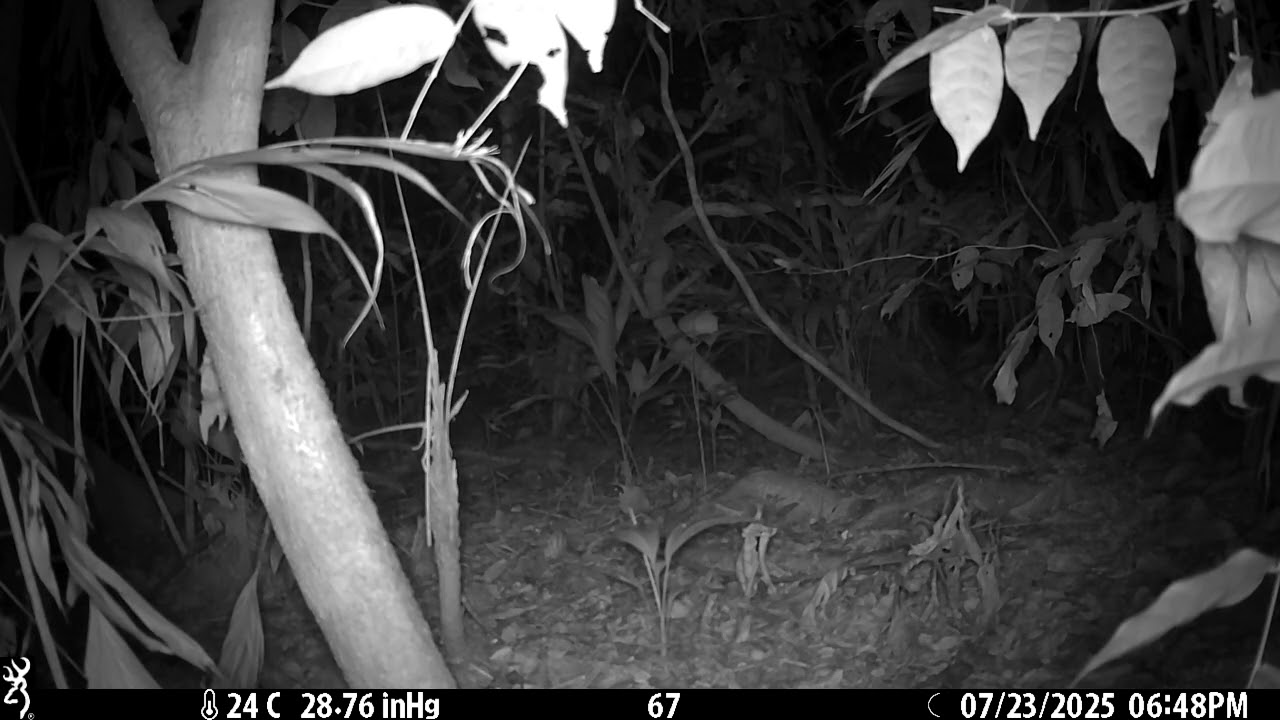
Above: footage of the elusive short-eared dog captured by WCS trail cams
“Camera-trap surveys provided significant information on the behavior and relative abundance of the short-eared dog, suggesting it is more abundant than previously thought, although it remains a relatively rare medium-sized carnivore,” the researchers noted in the published paper.
According to the scientists, the research also uncovered that the creature has a “strong preference” for intact forest, highlighting the importance of maintaining protected areas and other management units that preserve Amazonian forest coverage.
The researchers also mentioned how the survey is a prime example of how conservation technology and remote sensing (i.e. camera traps) can provide substantial data on one of the Amazon’s least-studied species.

You might also like…
Florida conservationists need your help classifying 6 million acres worth of wildlife trail cam images.

