




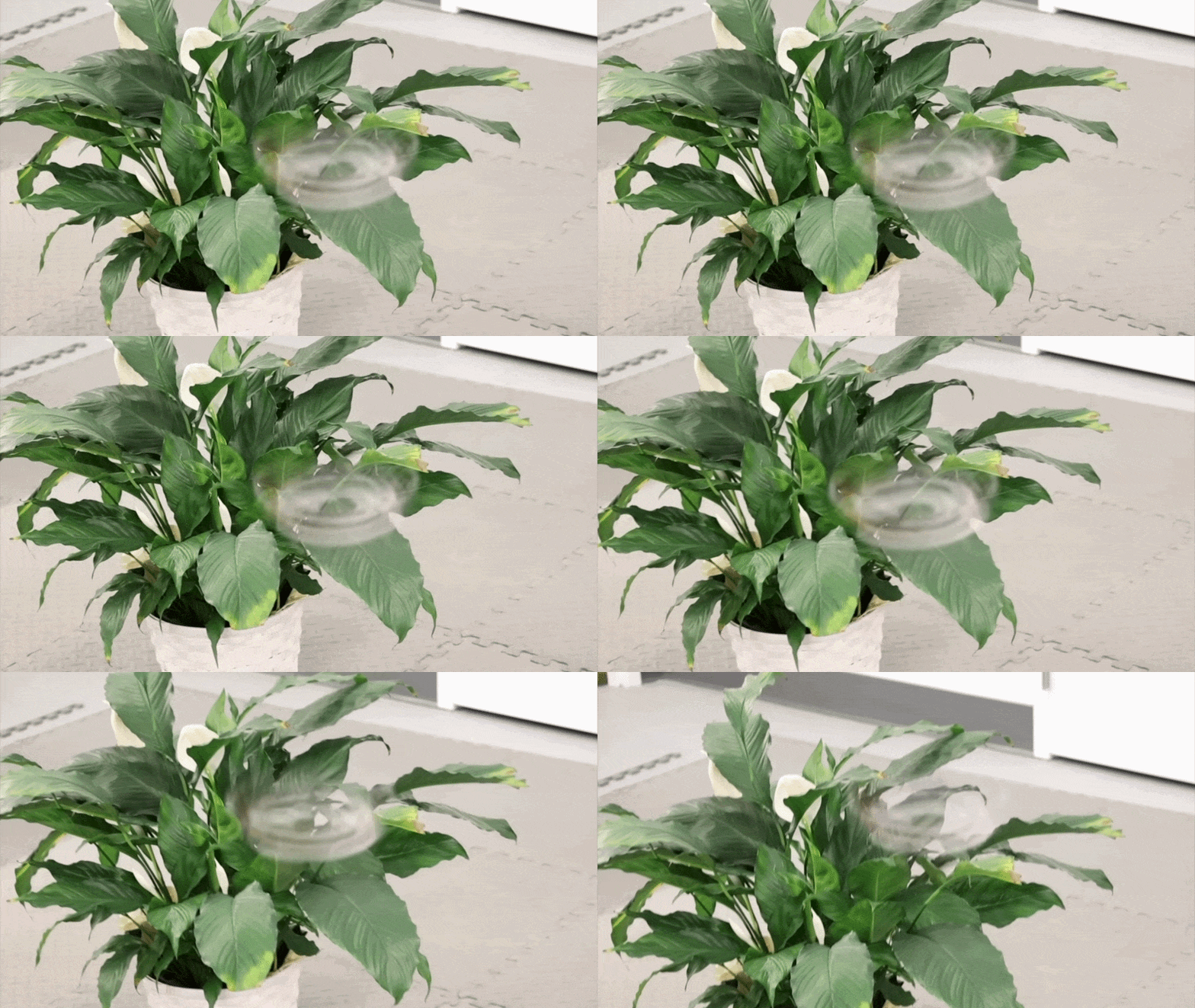
Scientists at Northwestern University have produced a drone which is able to virtually disappear from sight, not through fancy optical systems but by taking advantage of a quirk of the human eye – the same one that makes cinema practical.
The whole drone spins at up to 25 times a second, so – in much the same way that propellers on all drones seem to virtually disappear when they're spinning – the "Phantom Twist" drone seems to blur into near invisibility as it is flying.
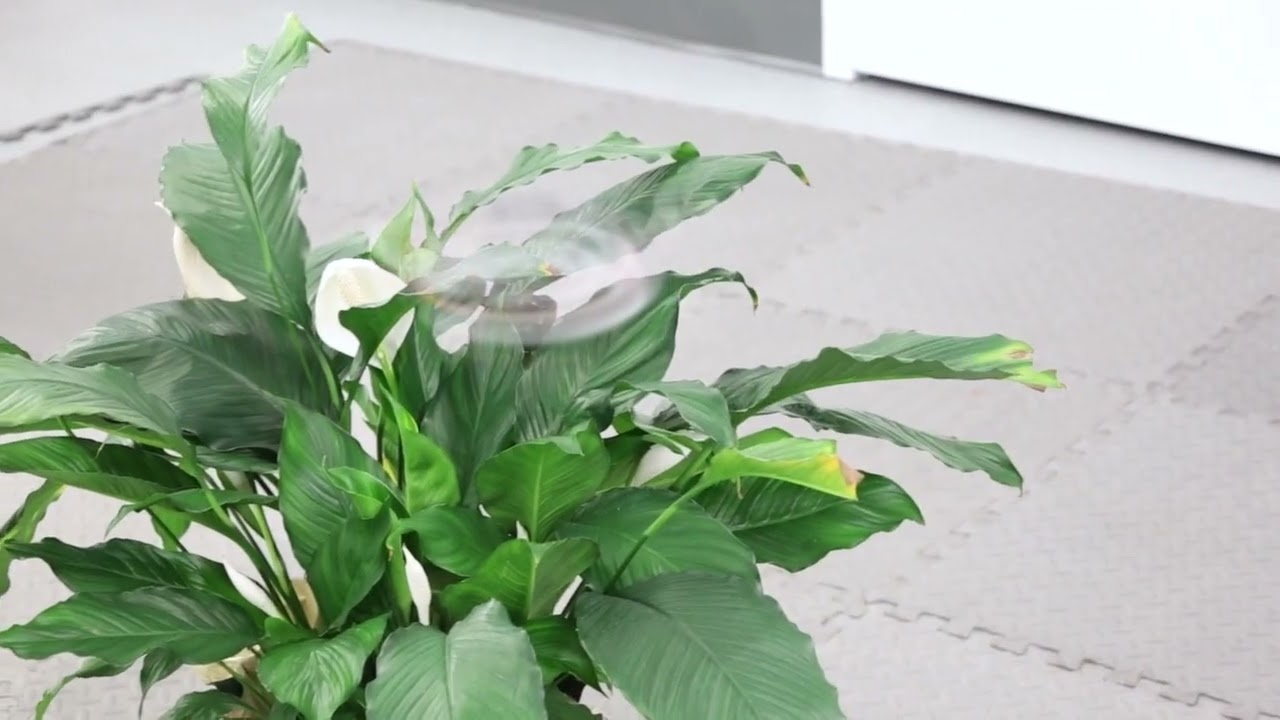
Instead of a drone, the eye just sees a whirling blur, and the design – optimized from thousands of versions – is the least visible.
This idea of low visibility through persistent motion is something few people have explored.
Michael Rubenstein PhD
The concept was presented by Michael Rubenstein, PhD, at Robotics: Science and Systems 2026. Rubenstein is a researcher into robotics who – in his university headshot – doesn't look completely unlike a Bond villain. The convention has been taking place for some years, and has major sponsors including Google DeepMind, Nvidia, and Toyota.
Rubenstein is also interested in designing algorithms to operate hundreds or even millions of robots together. That sounds a bit sci-fi (and like AI drone tech ideas I've seen recently that might have other consequences – including AI mosquito species killer). Rubenstein's stated intentions, however, are not so sinister and might even be of interest to nature photographers.
Drones that are partially invisible to humans – and animals with similar vision systems – could reduce the disruption caused by monitoring nesting birds, for example.
How does the stealth drone work?
“For a typical quadrotor drone, the propellers are spinning, but the robot is stationary,” Rubenstein said. “So, you still see its body. For our drone, the whole thing is rotating, so there are no stationary parts.”

Designing the drone took a lot of work – including the generation of 20,000 models – from which the most promising were built and tested. AI was used to arrange a motor, propeller, circuit board, battery, and counterweight.
As the drone rotates, it becomes faint. If the components were arranged sub-optimally, the drone would be more visible because the eye would still be seeing a sequence of them, much as items in a photographic exposure still add up to something more evident.
Emma Alexander, one of the coauthors of the paper, noted exactly this similarity: “The human eye takes time to accumulate signals, roughly analogous to the exposure time of a camera.”

As Northwestern's announcement notes, "The new drone still has several limitations, the researchers noted. The propeller makes audible noise, and the drone’s wires and support rods are still somewhat visible."
As Scotty pointed out, "A bird of prey canna fire when she's cloaked" or do anything much, and the issue here might be the same – the drone isn't carrying a camera and, as a rule, you don't want a camera to rotate rapidly.
The drone geek in me suspects, though, that in a future design, it might be possible to fix a camera to the frame, then time it to trigger at the correct point in each rotation of the drone, capture frames and make up video from these.
Each additional component (camera, storage etc.) would require a new design, but the process seems like one which could be repeated for more components – the AI design-simulate-test process being good enough that Rubenstein was able to say it was "fully automated... then, when we were confident that a drone met all our criteria, we built it.”
This seems plausible to me since the design is based, as the original research paper shows, on a single-actuator control which requires very precise timing – 5ms or less. That's because the control comes from the amount of power applied to the propeller at different points in its rotation.
The result – a drone about ten times less visually present according to the perceptual metric of the human eyes (LIPIS) – something which the human eye's "frame rate" plays a part in.
Check out our guide to the best indoor drones you can actually buy today

