
After one seemingly innocent garage sale find, a decade later, I’ve somehow accumulated a bookcase full of retro cameras. Some of the brands that dot my vintage camera collection, however, have begun to reappear among modern digital cameras, from Yashica to Kodak.
But the brands behind new cheap compact cameras like the Kodak Pixpro C1 and the Yashica City 100, aren’t the same brands that made the cameras dotting collectors' shelves.
Case in point? There's a relatively new Praktica 35mm film camera available on Amazon UK that talks all about how Praktica started in 1949 in East Germany, but Praktica was acquired by a UK-based company a few years ago; the camera itself is made in China.
In many of these cases, these iconic brands have sold the rights to their legendary names, allowing lesser-known companies to launch cameras that come with the prestige and clout of a well-known camera brand.
Kodak, for example, still exists. The Eastman Kodak company still continues to make its iconic film stocks. But, Kodak doesn’t make digital cameras. The company does, however, license its name to five other companies. The Kodak Pixpro series, for example, is made by JK Imaging Ltd, and the viral Kodak Charmera by Retro Production.

Kodak is a company that is still very much a part of the imaging industry – albeit the analog one – but other retro camera brand names have returned from companies that haven’t been producing cameras for decades.
Yashica’s parent company, Kyocera, is still around, but the company hasn’t made cameras since 2005, selling the rights to the Yashica name to MF Jebsen Group a few years later, which eventually would allow cameras like the Yashica FX-D 100 and the Yashica City series of compact cameras to come to the market.

Other so-called “zombie camera brands” aren’t a result of licensing at all, but rather an expiration of sorts. Sony acquired Konica Minolta (formerly the two separate Konica and Minolta) and would go on to use some of that tech to launch its first DSLRs.
But while Konica Minolta has become part of a camera brand that’s very much alive and well, in some countries, a brand name that has not been used on products after a certain amount of time becomes available again, so the Minolta name eventually wound up on cheap cameras that have no actual ties with the original brand.
Kodak, Yashica, and Konica Minolta are just a few examples alongside names like Agfaphoto and Rollei.
A camera that uses a licensed name and isn’t produced by that same original company doesn’t necessarily mean that the camera itself is bad – although some are undoubtedly of a cheaper quality than what the original brands were known for.
But I do think shoppers should be aware that just because a camera carries a memorable name doesn’t mean it came from that iconic company. That doesn’t necessarily mean not to buy one of those cameras, but like understanding the Kodak Charmera is a 1.6MP camera, aligning expectations may be key to being happy with the purchase.
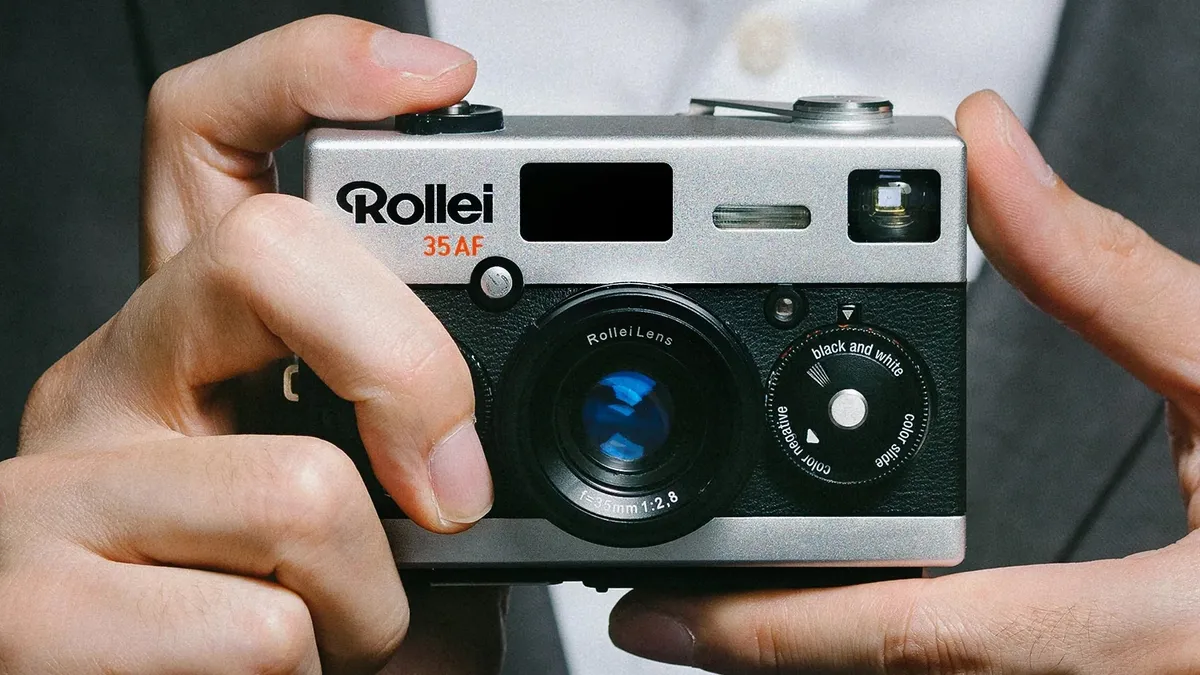
I know if I’m shopping for something that I’m not an expert on, and I come across a well-known name, I’m more likely to click on the well-known name over the names that I don’t recognize.
Not all of the once iconic camera brands now being produced by entirely different companies are a result of licensing and expired brand rights. The Polaroid that was first created by Edwin Land in 1937, isn’t the exact same company behind today’s Polaroid cameras, but the modern Polaroid isn’t a simple licensee either.
When Polaroid stopped producing instant film, a group of former employees saved the last factory and formed the Impossible Project. The Impossible Project eventually bought the original Polaroid brand and then essentially became the company the group had originally been working to save. With some former employees, the same intellectual property rights, and the same factory, though, the modern Polaroid still has a lot of ties with the original.
I don’t think it’s a coincidence that retro camera brand names are returning at a time when the retro camera look is resurging in trends. Companies are capitalizing on the retro craze and analog rebellion by reviving old school names. But new cameras carrying retro names may be more modern than many realize.
You may also like...
Take a look at the best retro cameras, as tested by expert photographers. Or, browse the best cheap cameras.

