
At just 14 years old, wildlife photographer Camilo Sanabria Grajales became Audubon Photography Awards' first youth prize winner from South America, Camilo Sanabria Grajales. Now, his image showcasing a Ruby-topaz Hummingbird has received an Honorable Mention in the 2026 competition.
The highlighted image is a colorful split-second capture, shot at 1/2500 sec. "I searched for the Ruby-topaz Hummingbird for years," says Camilo.
Camilo explains that there were several attempts at photographing the species, including one where he had to deal with an allergic reaction, as well as trips to Uva National Park in Colombia where he had no luck seeing the bird.
"But then it came, my big day. I was invited to a site that was full of flowers in Buga and was in for a surprise: more than ten hummingbirds, both male and female," he explains.
Since the birds were fluttering around Camilo so quickly, it was a challenge to capture their beauty in sharp focus. He says, "Then one approached me. I focused on it just in time. As it was about to dart away, I got this unique photo that captures its sun-drenched colors."
Honorable Mention: Youth
Contest: Chile and Colombia
Species: Ruby-topaz Hummingbird
Location: Guadalajara de Buga, Valle del Cauca, Colombia
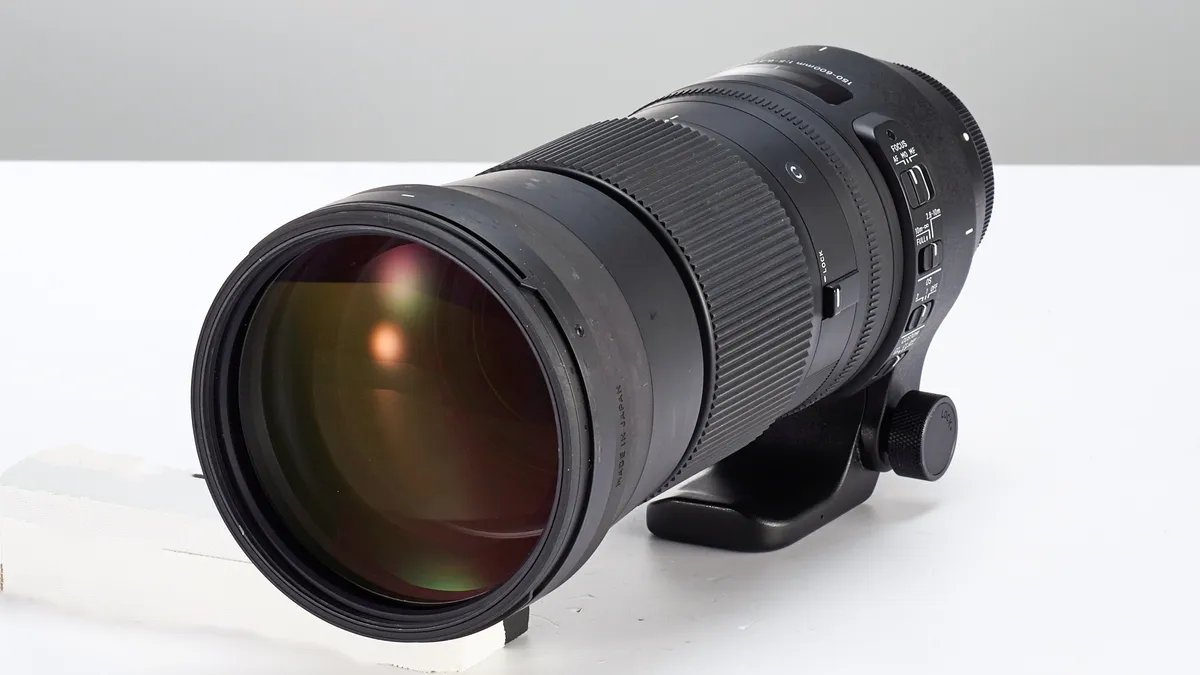
Gear: Canon EOS Rebel T7 (2000D) + Sigma 150-600mm f/5-6.3 DG OS HSM | C
Exposure: 1/2500 sec, f/6.3, ISO 3200
Bird Lore
Very small but adorned with brilliant colors, the Ruby-topaz Hummingbird is widespread in northern South America. It favors relatively open country, such as savannas and forest edges, and even visits city gardens.
The female takes sole responsibility for building the tiny, cup-shaped nest and raising the young, and she is appropriately camouflaged, lacking the male’s bright hues. In this image, the nictitating membrane – a translucent “third eyelid” that helps to protect the hummingbird’s eye as it zooms about the flowers – is partly closed.
Judge’s Take (Jaír F. Coll)
"The photographer captures the dynamic flight of this hummingbird and integrates it into a harmonious dreamlike setting where the flower’s orange hues play off those of the bird.
"The bird’s subtle expression, as if absorbed in its surroundings, conveys a sense of peace, immersing the viewer in a natural trance where time seems to stand still."
You might like...
Browse the best cameras for wildlife photography and the best lenses for bird photography and wildlife.
Looking for competitions to enter? Here are 10 global photo contests now open for entries from September 2026 to February 2027.

