




It's natural to assume the selfie is a modern invention, a spontaneous development brought about by the inventions of the smartphone and social media. But it's actually been around since the beginnings of photography itself. And here's an example that more people should know about.
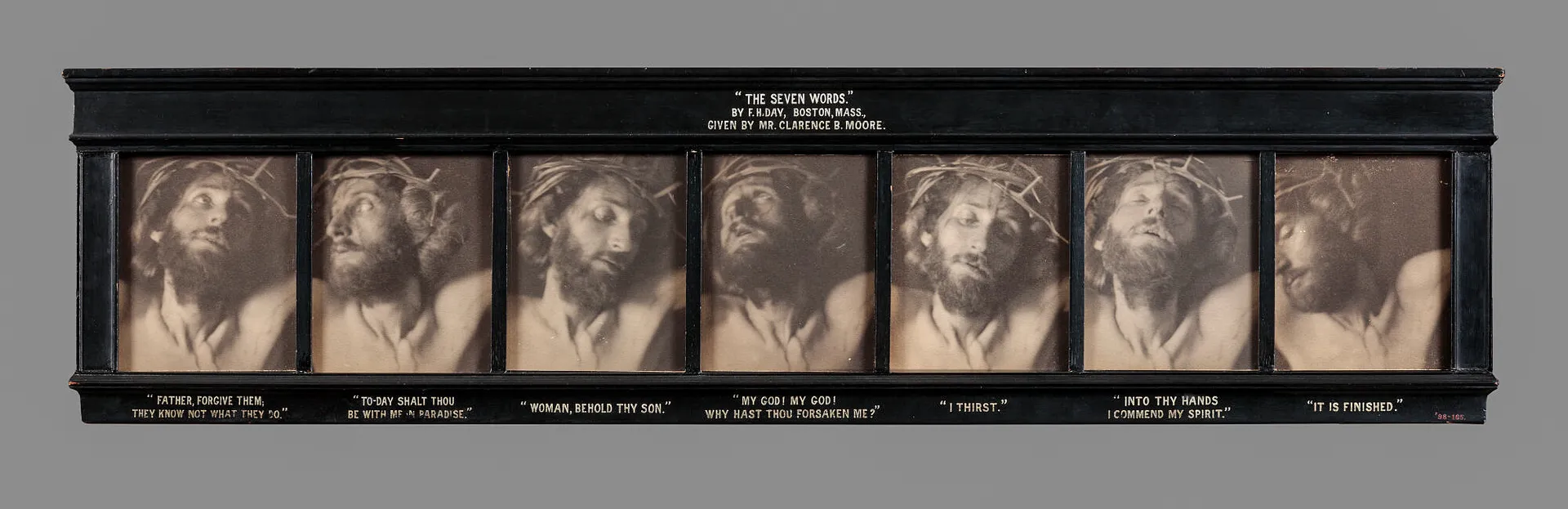
Back in 1898, a wealthy Bostonian photographer called F Holland Day pointed his 10x8in glass-plate camera at himself, checked how he looked in an attached mirror, and created one of the most earliest self-portrait projects in the history of photography.
The result was The Seven Words: seven close-up platinum prints in which he acts as Jesus in his final moments on the cross. There's one shot for each of his final phrases, from “Father, forgive them” to “It is finished”.
The work, as you can imagine, caused a stir when it was first shown. Then, for over a century, it was largely forgotten. Now, though, people are paying attention once more. The Toledo Museum of Art in Ohio has bought one of only three known original prints of The Seven Words, and director Adam M Levine is excited. “This is the most important photograph that people don’t know about,” he told The Art Newspaper.
Why they're important
What makes The Seven Words so remarkable is partly the concept itself, partly sheer commitment Day put into fulfilling it. He didn’t just dress up: he grew his hair long and fasted to change his physical appearance. According to the New York's Metropolitan Museum of Art, which owns another of the originals, he even imported cloth and a cross from Syria.
It's also worth pointing out that The Seven Words was part of a larger project. Between 1895 and 1898, Day shot around 250 images depicting scenes from the life of Christ, from the Annunciation to the Resurrection, again taking on the title role himself. Toledo’s curator of American art, Erin Corrales-Diaz, says only around a dozen of those 250 plates were successful.
Painterly quality
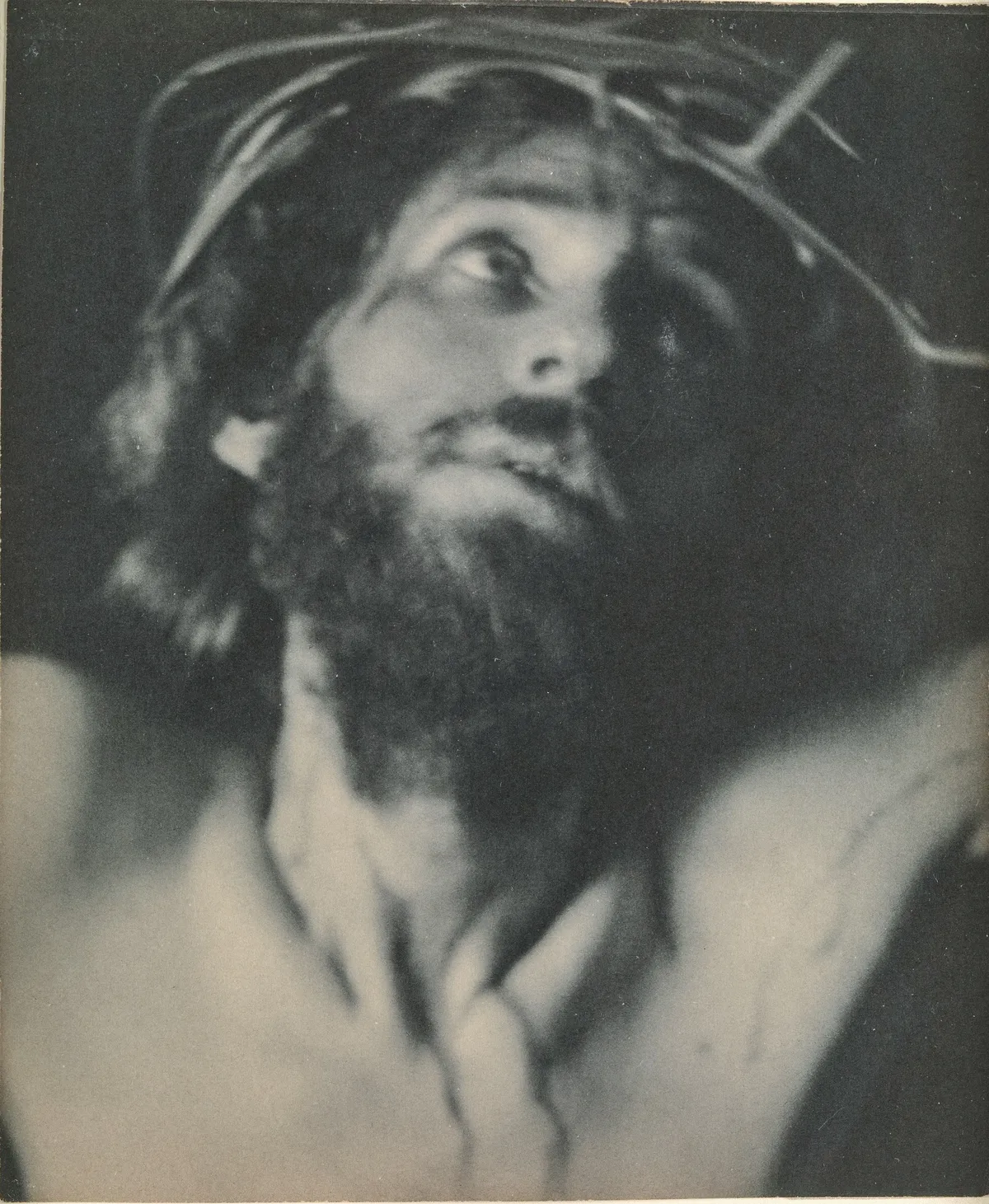
What strikes me most about The Seven Words is their painterly quality. That's no accident: Day was a keen advocate of Pictorialism, a movement that believed photography deserved to be treated as a fine art, on a par with painting and sculpture. Pictorialists favoured soft focus, careful staging and expressive printing; another way in which Day now feels astonishingly ahead of his time.
Back in the late 19th century, however, not everyone was convinced. When The Seven Words first debuted, many viewers were uncomfortable with the use of the new photographic technology to depict sacred subjects. People might have been used to paintings of the crucifixion, but seeing a real man, sweating and suffering under a crown of thorns, must have been quite a jolt.
Controversy alone, though, doesn’t explain why the work slipped from view. Plenty of religious leaders actually approved of it. Edward Steichen was also an admirer, writing that "few paintings contain as much that is spiritual and sacred in them".
A bigger problem was that Day himself was gradually written out of photography’s story, overshadowed by his contemporary rival, Alfred Stieglitz. Bundle that in with a subject the history books never quite knew what to do with, and it’s not hard to see why, over 100 years on, most of us have never heard of it. All the more reason to applaud Toledo’s acquisition in 2026.
The Seven Words will go on display when the Toledo Museum of Art reopens its reinstalled permanent collection galleries in autumn 2027.

