October 2026 is a transitional month for astrophotographers. Darkness arrives earlier, nights grow longer, and the sky becomes easier to work with again after summer's compressed twilight. At the same time, the Milky Way’s bright core is making its final appearances in the Northern Hemisphere’s evening sky, marking the end of its most photogenic season. The month is anchored by Saturn at opposition, a well-timed new moon, the rise of a supermoon and the peak of the Orionid meteor shower — though the latter suffers from moonlight this year. Here’s everything you need to know about astrophotography in October 2026:
Read: 10 must-shoot events for astrophotographers in 2026
October 3-13: Dark sky window
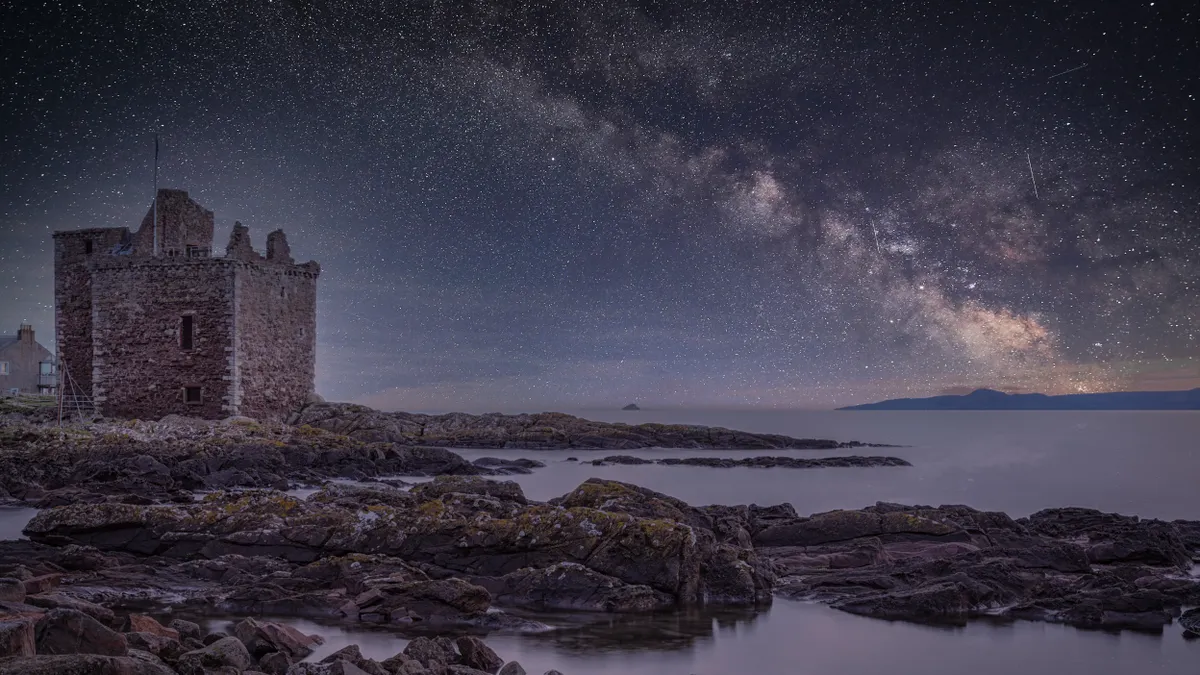
With new moon on October 10, the surrounding nights — from last quarter moon on 3 October through to a brightening crescent moon on 13 October — provide excellent dark-sky conditions (use a light pollution map or find a Dark Sky Place for maximum impact). This is essentially the final opportunity in 2026 to photograph the Milky Way’s core from the Northern Hemisphere. The Galactic Center now sits low in the southwest after sunset and sets quickly, so timing is critical. Use a wide-angle lens (14–24mm), ISO 1600–3200 and exposures of 10-20 seconds. Because of its low altitude, atmospheric haze can reduce contrast, so seek out the darkest possible location with a clear horizon. Consider including a strong foreground to balance the composition or switch to shorter exposures for sharper detail.
Read: The best star tracker camera mounts
October 4: Saturn at opposition
Saturn reaches opposition on October 4, meaning it is directly opposite the sun in the sky. Just like a full moon, it will rise in the east at sunset, remain visible all night, and set in the west at sunset. This is when the ringed planet is closest to Earth and at its brightest, making it the best time of the year to photograph it. While Saturn appears star-like to the naked eye, a telescope reveals its rings clearly. For imaging, use a telescope or a long-focal-length lens (800mm or more) and an astro or planetary camera to capture short video clips rather than single exposures. You can then stack frames from these videos in software to boost detail and reduce atmospheric distortion. Even under modest conditions, this technique can reveal ring structure. Practically speaking, a week either side of any planet’s opposition is also perfect for close-ups.
Read: The best cameras for astrophotography
October 6: Moon occults Jupiter
During the early hours of Tuesday, Oct. 6, a roughly 20%-lit waning crescent moon will pass directly in front of Jupiter, causing the giant planet to disappear for up to about an hour for observers across much of eastern North America, according to In-The-Sky. Exact times vary by location — Jupiter disappears at about 4:22 a.m. EDT in New York City, returning at 5:26 a.m. The planet will disappear behind the moon’s lit side and emerge from its dark side. A small telescope may spot Jupiter’s Galilean moons disappearing and reappearing around the planet.
October 21-22: Orionid meteor shower
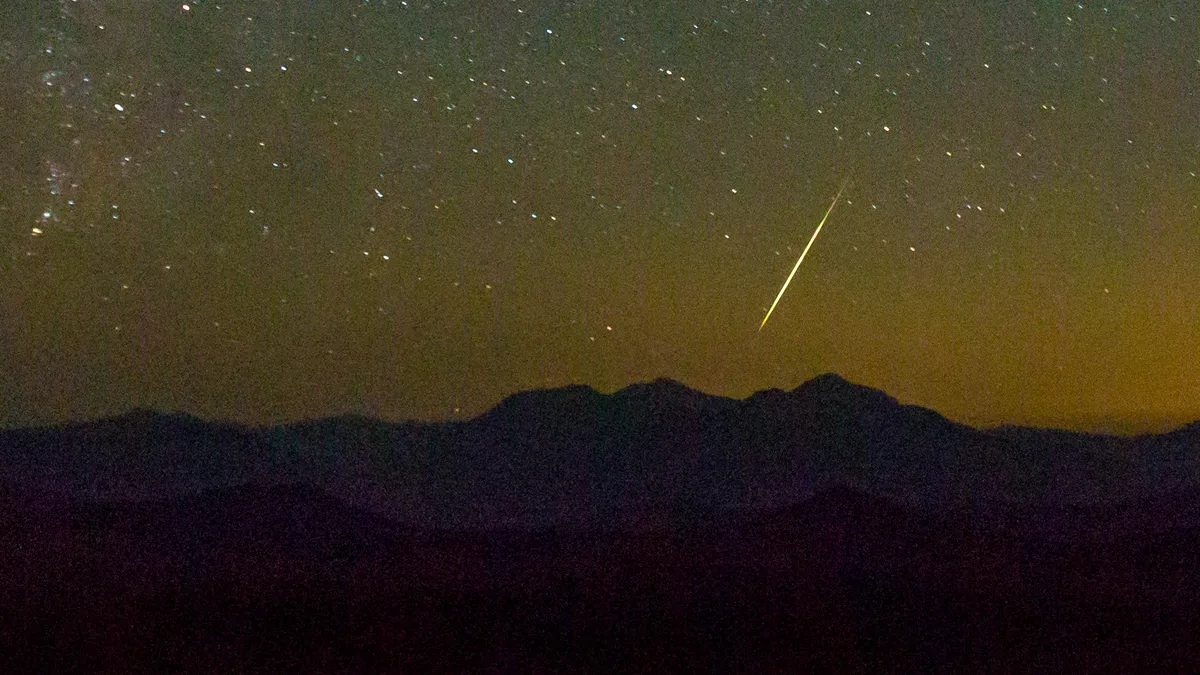
The Orionid meteor shower peaks overnight on 21-22 October, but with a bright moon present, conditions are not ideal. Even so, brighter meteors may still be visible, particularly after moonset or when shooting away from the moon’s glare.
Use a wide-angle lens (14-24mm), ISO 800-1600 and 20-30 second exposures, shooting continuously for several hours. Position your camera away from the moon to maximise contrast. While results may be limited, the Orionids can still produce fast, bright streaks that stand out even under less-than-perfect conditions.
Read: How to photograph a meteor shower
October 26: Full ‘Hunter’s Moon’ rises

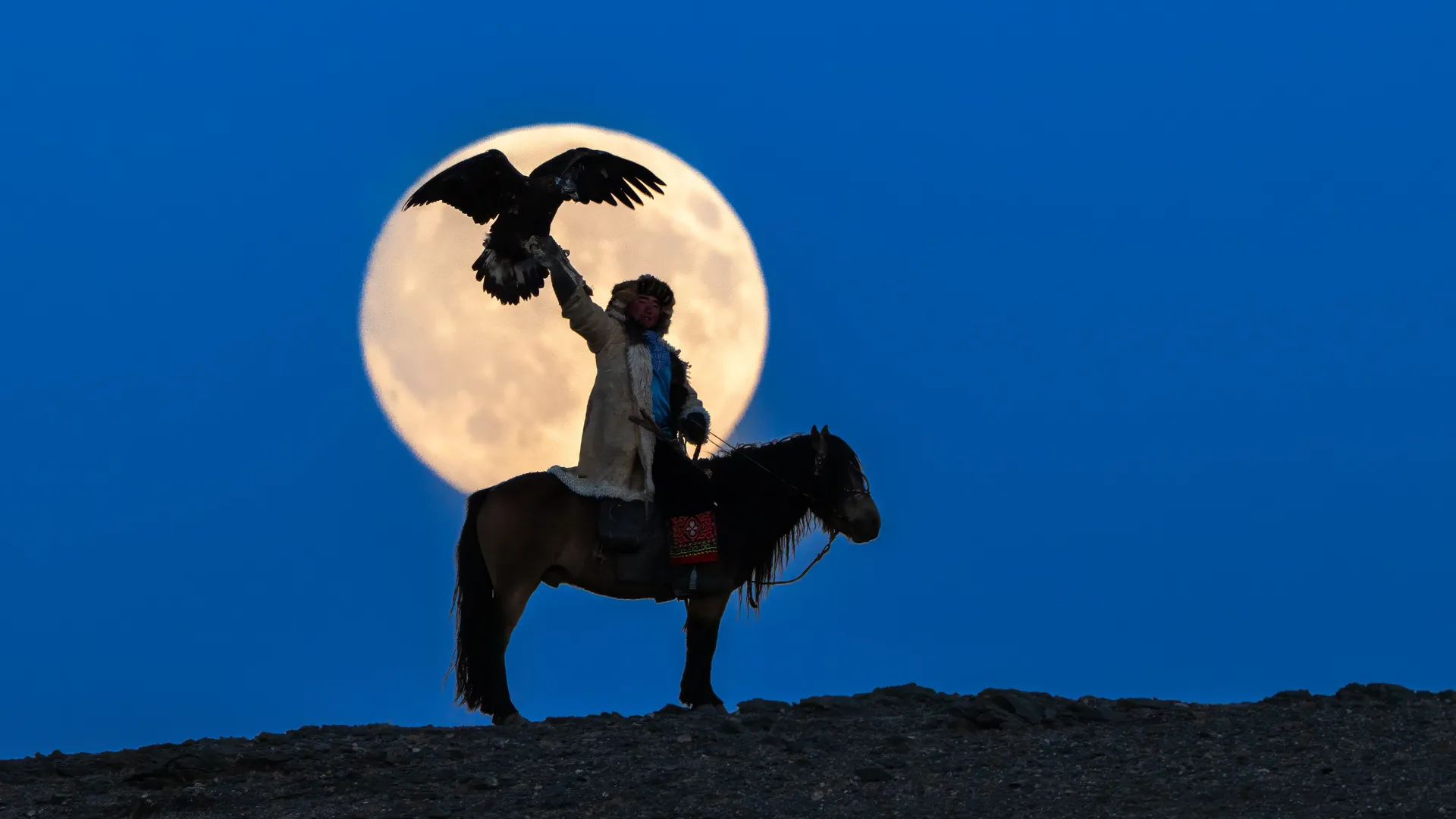
October’s full moon, known as the Hunter’s Moon, turns full on October 25, but will be best seen rising on October 26 As with all full moons, the most photogenic moment is moonrise closest to sunset, when it appears large and takes on warm tones near the horizon — allowing photographers to capture it above a still-lit landscape. As a supermoon, albeit a small one, it will be slightly bigger and brighter than average.
Use a telephoto lens (200-600mm) to capture detail or incorporate a foreground subject for scale. Because the moon is so bright, use low ISO and fast shutter speeds to avoid overexposure. Planning is essential — use tools like The Photographer's Ephemeris and PhotoPills to align the moon with foreground element features (a tall building or a mountain) for maximum impact.
Read: How to photograph the full moon
Astrophotography shot of the month: Star trails

As the Milky Way season draws to a close, October is an excellent time to try a star trail. Set up a wide-angle lens (14-24mm) on a tripod and take a sequence of 20-30 second exposures over several hours, using ISO 100-400 to minimise noise. You can then stack these images to create circular trails around the celestial pole or sweeping arcs across the sky. Alternatively, a single long exposure can work, though it risks overexposure in brighter conditions.
Point your camera toward Polaris in the Northern Hemisphere to create concentric circles, or experiment with different directions for varied patterns. Include a strong foreground element to anchor the composition. Star trails are a great way to visualise Earth’s rotation — and they’re easy to create.
Read more:
• Astrophotography tools: the best camera, lenses and gear

