
Lee Miller (1907-1977) is one of 20th-century photography's most intriguing figures. She went from Vogue model to Man Ray's collaborator and muse in Paris, before reinventing herself again as one of the few female photojournalists accredited to cover the front lines of the Second World War. And there's a story about her and her Rolleiflex that tells as much about her as her images do.
According to her son, Antony Penrose, cofounder of the Lee Miller Archives, she could take the camera apart down to the last nut and bolt and reassemble it in the dark, in some ruined billet, while working as a war correspondent for Vogue. It wasn't a party trick. It was simply what you did if your camera stopped working somewhere between Normandy and Dachau and there was nobody else around to fix it.
That ability hadn't come from a manual. Miller's father was an engineer, and she'd absorbed mechanics and engineering from him early on – kind of how some kids pick up a language.
By the time she was shooting in the 1940s, a camera wasn't a delicate object to be babied; it was a tool she understood from the inside out.
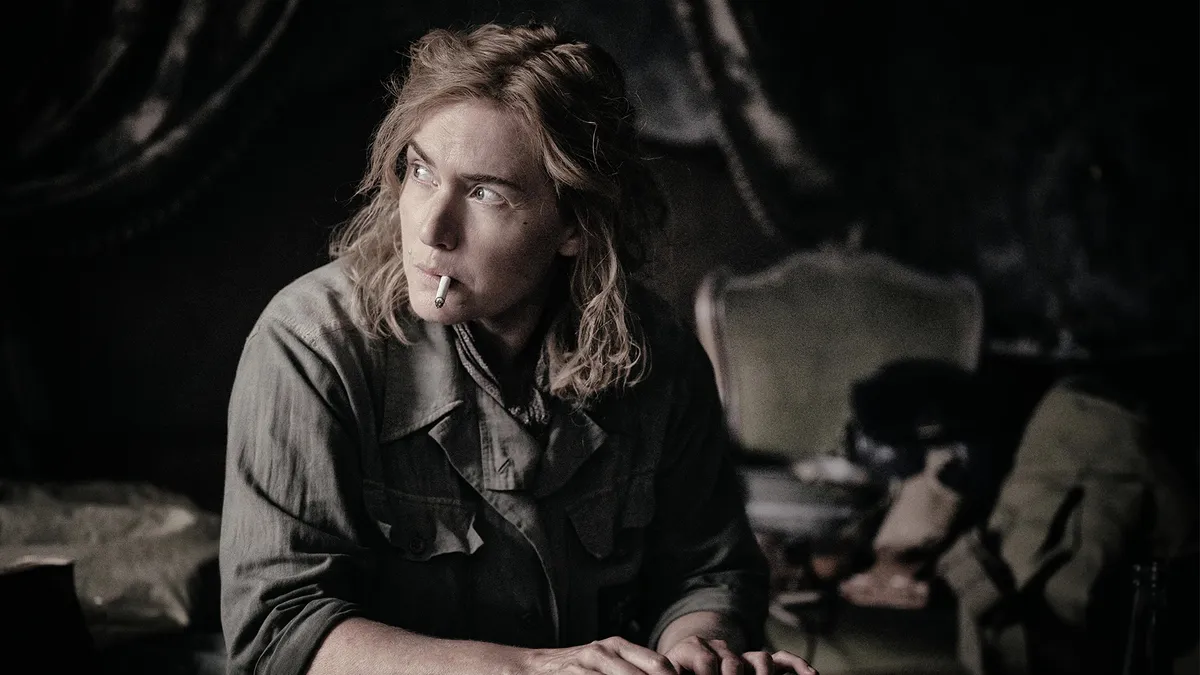
So it makes sense that when portraying her in the recent biopic, Lee, actor Kate Winslet focused on the camera itself as a way of getting into the head of the character she was portraying.
Going the extra mile
Winslet, who served as executive producer on the film, didn't just read up on her subject. She tracked down Claude Samaran, one of the last technicians in the world still able to service Rolleiflex cameras, and had him build an exact replica of Miller's original.
She then spent time at the Lee Miller Archives, which holds around 60,000 negatives, 20,000 pages of manuscripts and 20,000 vintage prints, along with items like letters and mud-splattered military maps, before she'd even picked up the camera on set.
During filming, she took actual photos with the replica while she was acting. For the A-list star, it was less acting prep and more a technical apprenticeship.


Miller's first Rolleiflex is believed to date back to the mid-1930s, during her years in Egypt. She went on to own at least two, using them alongside a 35mm Zeiss Contax, though the Rolleiflex remained her instrument of choice.
After the war she switched to a Rolleicord and, by the late 1960s, changed to a Honeywell Pentax – she was delighted by the inclusion of a built-in light meter.
The Rolleiflex mattered to Miller not because it was a beautiful object, but because of what it recorded. That distinction became painfully clear at the end of the war.
When British Vogue held back her Holocaust photographs, she started cutting up her own negatives in fury, before stopping herself, on the grounds that people needed to know what she'd witnessed.
The camera, in other words, was much loved, but not an end unto itself. It was just the thing that let the truth through.
You might also like…
Take a look at the best cameras for street photography, documentary and reportage.

