
AI this, AI that – I can’t scroll through anything on the internet without being inundated with generative AI. As both a photographer and a writer – two art forms that generative AI attempts to imitate – I’m AI-exhausted. But here’s the thing – I’m not the only one, and the latest data seems to suggest around half the population is just as frustrated with AI as I am.
Around half of all adults in the US are wary of AI’s impact, according to a June 2025 PEW survey – a sharp increase from the 37 percent of AI-weary humans in 2021.
A new YouGov survey suggests that British adults share a similar stance, with 42 percent saying that they would get rid of generative AI entirely and 22 percent not even sure if they like the technology.
Only around 18.3 percent of US adults call themselves artists (and only 1.6 percent professional artists), which suggests that the artists whose jobs are most threatened by generative AI are far from being the only humans wary of the technology.
My stance on AI comes as someone who has tried out bits and pieces of the technology. As a journalist, it’s my job to explore the pros and cons of generative AI in order to better inform my readers, so I’ve done everything from asking ChatGPT to generate images that still look like me to testing out Photoshop’s new AI assistant.

Yet, even after all this testing, I’ve turned off Apple Intelligence on my iPhone, I leave generative AI off on most Photoshop tools where possible, and I continue to use the camera and the keyboard to create.
The problem is – and probably why so many adults agree with me – AI feels impossible to turn off. I can’t keep it out of my social media feeds, and Google doesn’t have an off switch for its AI Overviews. I can ignore generative AI, but I can’t ignore the rising prices on memory cards and hard drives that it has created. Artists have just been told to accept that AI is the norm and move on – or get left behind.
To be clear, I don’t think all AI is bad. Eye-detection autofocus is one of my favorite features on modern mirrorless cameras, and, yes, that’s an AI technology. Lightroom’s auto mask features to select skin, teeth, or eyes in a portrait have saved me a lot of time. The ability to search through the photo library on my phone is one of my favorite iPhone updates.
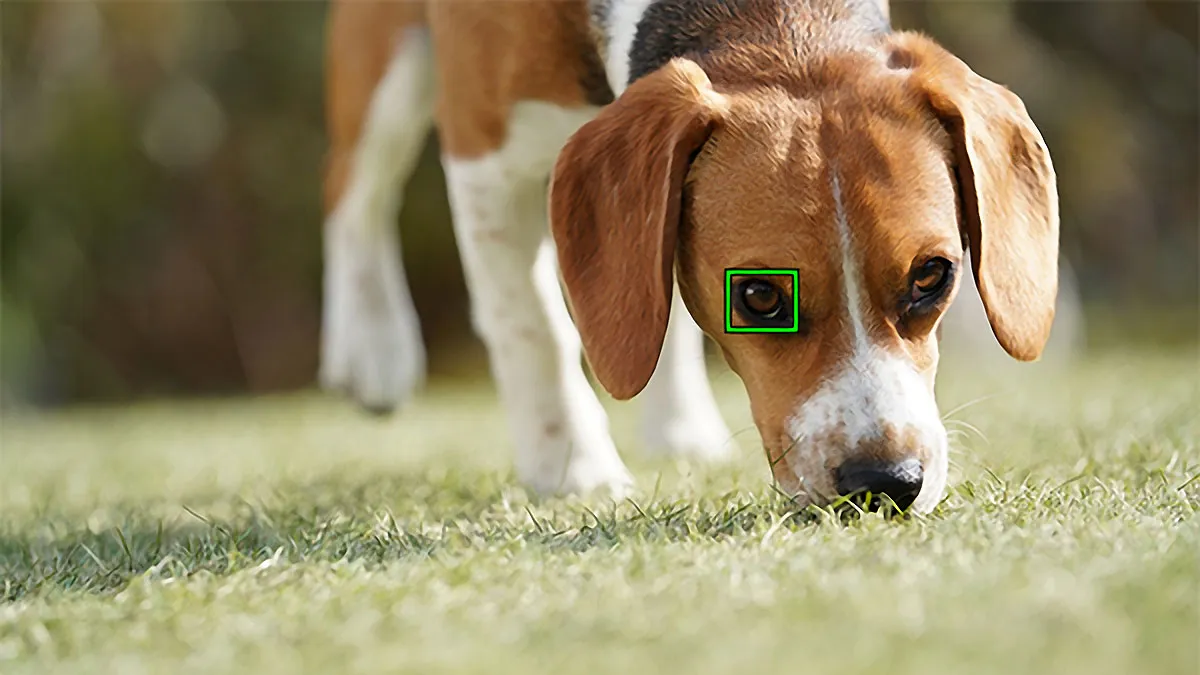
But, while those tools are AI, they are not generative AI. I don’t mind an AI that’s going to help save me from tedious tasks. But I’m a creator because I love creating, and I don’t want a computer to do it for me.
I’m not against AI, I’m wary of generative AI, the type of AI that creates something from nothing. (Or, more accurately, that creates something from a library of work created by real human artists that, in many cases, was stolen without permission.)
Generative AI also tends to have a much larger impact on the environment than non-generative AI. Generative AI is the technology that requires massive data centers, creating noise nuisance in small communities and driving up the cost of any technology that requires digital storage.

But these views are perhaps unsurprising coming from someone who earns a living as a creator. What’s giving me hope is the number of non-artists who are just as frustrated by AI as I am.
Even Gen Z – the generation with the highest adoption of generative AI – is becoming more wary of the technology. A recent Gallup poll has found that the number of Gen Z-ers excited about AI has dropped while the number reporting anger has increased.
All of this is happening at the same time as some Big Tech companies are reporting that the cost of generative AI is higher than having human employees.
At the same time, “AI Slop” was the Word of the Year for 2025, hinting that many would prefer to see human-created content in their social media feeds.
All of the data on the increasing number of people wary of AI technology gives me hope that even non-artists are going to continue to value human-created art. I don’t think AI is going anywhere, but my hope is that the number of people wary of AI will temper its growth – and that even non-artists will continue to appreciate human artwork.
You may also like...
Browse the best cameras for beginners to take real photographs.

