





Two US tourists caused a stir in Japan after one of them jumped into the monkey enclosure at the Ichikawa City Zoo in Chiba Prefecture while the other filmed. While it wasn’t long before the Japanese authorities had the offenders in custody, the duo succeeded in uploading the footage to social media.
Now visitors could be seeing even more impact from the stunt, beyond updates to the enclosure. According to The Independent, Ichikawa City Zoo responded quickly by widening the buffer zone around the enclosure – but it is also considering a full ban on photography.
This is the same enclosure that houses Punch, the macaque (snow monkey) that recently became a viral sensation after being pictured cuddling an orangutan plush toy, having been rejected by his mother.
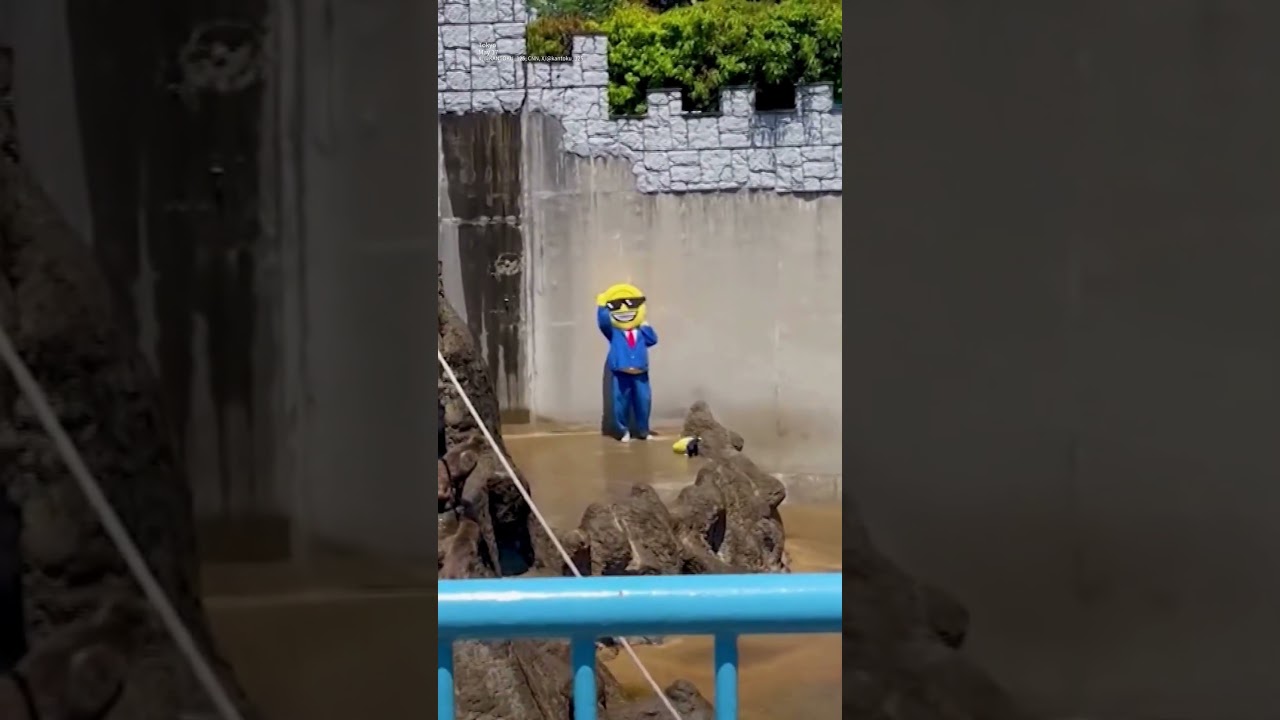
One of the tourists jumped into Punch’s gray-walled enclosure, wearing an obscenely large and exuberantly colored emoji costume, while the other filmed. Later, the investigation uncovered that the two were planning on getting footage with the famous primate to promote a cryptocurrency.
Thanks to the stunt, the zoo is considering a blanket ban on photography. This would be a key change for visitors to the zoo, but my concern is that the potential ban could have far wider effects.
It's thanks to photographers (the ones who didn't dangerously decide to jump into the enclosure) that we have stories like Punch's viral stuffed animal. Cameras tell stories that transcend geographic and language barriers.
But my concern over a ban on photography at zoos goes beyond limiting feel-good stories like Punch's plush toy. Photos and videos from zoos have the ability to influence the animals' welfare by showing living conditions.
The welfare of animals in captivity often relies on policies based on public consensus, which can be informed by viral videos like that of Punch. Numerous viral videos of captive animals have gone on to spark public outcry and advocacy group responses that, in some cases, resulted in positive changes.
Barren enclosures with gray walls, concrete floors or deep pits are something that animal welfare organizations, notably PETA, have particularly campaigned against. Photos and videos show the reality of living conditions, and banning cameras could prevent these change-sparking images and videos from even being taken at all.
I think the video that the two trespassing tourists uploaded to social media reveals a lot about the monkey enclosure at Ichikawa City Zoo. I couldn't stop staring at the barren gray walls of the enclosure housing nearly 50 monkeys.
Now imagine if other zoos follow suit and introduce photography bans. How many zoos around the world housing animals in potentially immoral enclosures would slip under the radar from any potential future press regarding poor animal welfare?

Wildlife photography has the power to draw attention to conservation needs. While I don't consider a zoo to be "wildlife" photography, photos can also prove crucial to the many zoos that play a role in rescuing animals and not just displaying them for profit.
For example, there are legitimate facilities around the world partnering with the United Nations’ Convention on International Trade in Endangered Species to house animals seized from the illegal wildlife trade, smuggling operations or illegal private ownership.
In fact, Ichikawa City Zoo is a recognized facility for red panda conservation, with a breeding program that has helped bolster populations of this endangered species. However, we also need to keep in mind that this “rescue branding” also functions as essential marketing for zoos to maintain public support amid shifting attitudes toward captivity.
I hope that Ichikawa City Zoo doesn’t ban taking photos, as I think cameras serve as powerful tools for keeping zoos accountable.
You might also like…
I'm glad safaris are cracking down on smartphones – but even as a photographer, I think using “proper” cameras can put animal welfare at risk too.

