
Photographers have become obsessed with speed. An f/2.8 lens is no longer considered particularly fast; f/1.8 is apparently the minimum, and f/1.4 is treated as though it is an essential requirement for producing anything remotely creative.
Then there are the f/1.2 and f/0.95 lenses, which promise extraordinary subject separation alongside equally extraordinary prices, sizes and weights. But how often do we genuinely need to shoot that wide open The uncomfortable answer is probably not very often.
Look through the metadata of your favourite photographs and you may discover that the expensive f/1.4 lens you convinced yourself you needed spends most of its life at f/2.8, f/4 or even f/8. We buy these lenses for what they can theoretically do, rather than for the settings we actually use when we are out taking photographs.

I am just as guilty of this as anyone. I recently sold a Leica Summilux f/1.4 lens and replaced it with something slower. Much slower, according to the internet. I now prefer – wait for it – an f/2.5 lens.
That might sound like a considerable downgrade on paper, but in practice it suits the way I photograph far better than the faster and considerably more expensive alternative.
The truth is that I normally shoot the f/2.5 lens at around f/4 or f/8 anyway. Those apertures give me the depth of field I want, allow more of the scene to remain recognisable, and usually deliver excellent sharpness across the frame.
Photography is not always about turning every background into a featureless blur. Sometimes the environment matters just as much as the subject, particularly in documentary, travel and street photography.
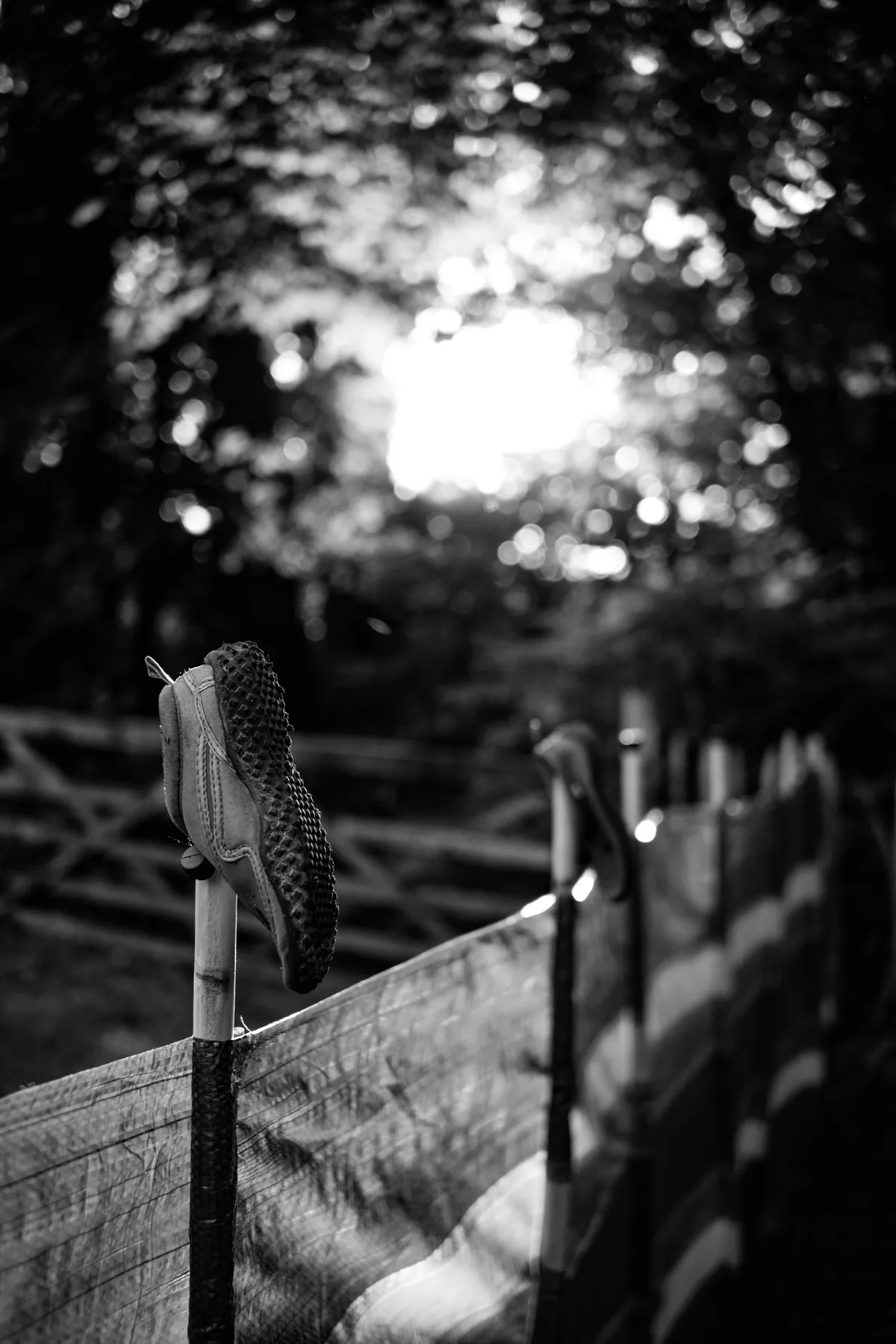
Even when the sun goes down, f/2.5 is more than enough for most situations. Modern cameras perform incredibly well at higher ISO settings, while sensible shutter speed choices can keep images sharp without demanding an enormous aperture.
You need to understand how slowly you can comfortably handhold your camera and how far you are prepared to push the ISO. That feels like a far more useful skill than relying on f/1.4 to solve every low-light problem.
There are compromises with ultra-fast lenses that rarely receive the same attention as their headline aperture. They are generally larger, heavier and more expensive, while depth of field can become so narrow that keeping both eyes sharp in a portrait becomes a challenge.
Some also perform noticeably better when stopped down, meaning that photographers pay a significant premium for f/1.4 only to use the lens at f/2.8 to achieve the result they actually want.

There will always be photographers who genuinely need an f/1.4 lens – and there are situations where that additional light or shallower depth of field can make a real difference.
However, for most of us, f/2.8 is already more than fast enough – and something like f/2.5 certainly should not be viewed as a limitation. Stop chasing specifications, look at the apertures you really use, and buy the lens that best suits how you photograph.
You may find that the supposedly slower option is the one that finally gets out of the way and enables you to concentrate on making pictures.
You might also like…
If you still fancy yourself a speed demon, take a look at the fastest lenses you can buy right now.

